In recent years, the rising concern surrounding skin health has highlighted the detrimental effects of ultraviolet (UV) radiation. The advances in dermatological research have unveiled the biochemical mechanisms through which UV exposure induces oxidative damage to skin cells, leading to premature skin aging and increased risk of skin cancers. One such notable study delves into this critical area, focusing on a unique carotenoid known as deinoxanthin. Researchers have embarked on an integrative computational and cellular analysis to investigate the photoprotective effects of deinoxanthin against UVA-induced oxidative damage.
Deinoxanthin, a carotenoid derived from specific microorganisms, has recently garnered attention due to its potent antioxidant properties. Antioxidants serve as vital defense mechanisms against oxidative stress, which results from excess free radicals in the body. The significance of this compound cannot be overstated, especially as more individuals seek natural and effective solutions to combat the harsh effects of UV radiation. The study reveals a promising avenue for the development of new photoprotective agents that could potentially revolutionize the skincare industry.
The research employed sophisticated computational modeling techniques to predict the interactions between deinoxanthin and the various cellular pathways affected by UV radiation. This cutting-edge approach allowed the scientists to simulate the molecular dynamics within skin cells and pinpoint the specific mechanisms by which deinoxanthin exerts its protective effects. Understanding these processes is not only essential for the advancement of dermatological science but also opens new horizons for therapeutic applications.
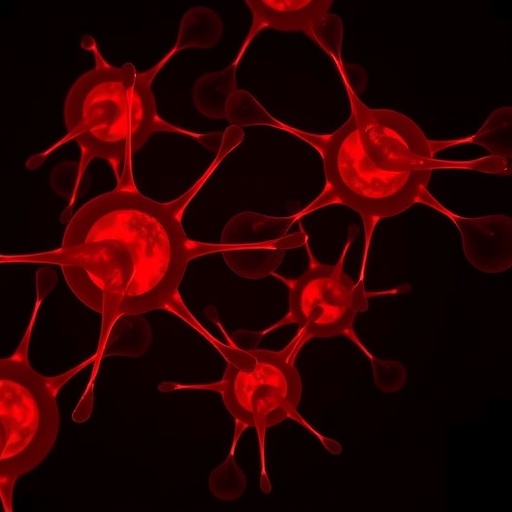
Simultaneously, the cellular analysis component of the study provided empirical evidence supporting the computational predictions. The researchers conducted a series of laboratory experiments, exposing skin cells to UVA radiation while simultaneously treating them with deinoxanthin. The results were telling: cells treated with deinoxanthin exhibited significantly lower levels of oxidative damage compared to untreated controls. This finding reinforces the hypothesis that deinoxanthin can effectively shield skin cells from the harmful consequences of UV exposure.
Moreover, the study sheds light on the molecular mechanisms behind the antioxidant capabilities of deinoxanthin. Researchers discovered that this compound enhances the expression of various protective enzymes and proteins within the cells, which play a crucial role in mitigating oxidative stress. By activating these cellular defenses, deinoxanthin demonstrates its potential not only as a preventive agent but also as a therapeutic option for individuals already experiencing UV-induced skin damage.
The implications of this research extend beyond the laboratory. As global awareness about skin protection and healthy aging continues to rise, the need for effective, safe, and natural photoprotective agents becomes even more pressing. Products infused with deinoxanthin could become a staple in cosmetic formulations, catering to health-conscious consumers seeking to protect their skin from the sun’s harmful rays.
Furthermore, the antioxidant properties of deinoxanthin may also offer additional benefits beyond photoprotection. Recent studies indicate that oxidative stress is implicated in various degenerative diseases, including neurodegenerative disorders and cardiovascular diseases. This multifaceted capability suggests that deinoxanthin could have broader applications in the realm of health and wellness, potentially influencing future nutraceutical developments.
As this research gains traction, it invites further investigations into the production and optimization of deinoxanthin for commercial use. The biotechnology industry may play a pivotal role in harnessing this compound, enabling sustainable extraction methods from microorganisms while ensuring consistency and efficacy in final products. Consumers can look forward to a new era of nutrition and skincare that is not only effective but also eco-friendly.
In conclusion, the exploration of deinoxanthin’s photoprotective capabilities against UVA-induced oxidative damage marks a significant milestone in dermatological research. By employing integrative computational models alongside rigorous cellular analyses, the findings underscore the potential for deinoxanthin to mitigate the deleterious effects of UV radiation. As dermatologists and skincare formulators take heed of these findings, the incorporation of such natural antioxidants may pave the way for innovative skincare solutions that promise healthier skin for all.
The study and its findings hold the potential to reshape public understanding of skin health in relation to UV exposure. By raising awareness of the importance of antioxidants in skincare, researchers may inspire a shift in consumer behavior towards more conscientious product choices. As we move forward, the ongoing investigation into deinoxanthin and similar compounds could lead to unprecedented advances in both skincare science and public health.
Additionally, the research lays the groundwork for further studies in pharmacology and toxicology by evaluating the safety profiles of deinoxanthin in human applications. Future clinical trials may provide insights into the optimal dosages and formulations required for maximum efficacy.
Ultimately, this ongoing exploration into the natural defenses against skin damage emphasizes the significance of merging technological advancements with natural products in the quest for skin health. As scientists continue their work, we may soon witness the emergence of groundbreaking products that not only reflect the beauty industry’s evolving landscape but also promote skin health in an environmentally responsible manner.
In conclusion, the photoprotective effects of deinoxanthin against UVA-induced oxidative damage present a compelling case for integrating natural antioxidants into skincare regimens. The findings herald a new wave of protective solutions, offering hope for those concerned with the consequences of UV exposure. As research progresses, the potential benefits of harnessing such compounds for health and wellness will continue to emerge, pushing the boundaries of what is possible in skin protection.
Subject of Research: The photoprotective effects of deinoxanthin against UVA-induced oxidative damage.
Article Title: Photoprotective effects of deinoxanthin against UVA-Induced oxidative damage: an integrative computational and cellular analysis.
Article References:
Balamurugan, K., Stalin, A., Pawar, C.S. et al. Photoprotective effects of deinoxanthin against UVA-Induced oxidative damage: an integrative computational and cellular analysis.
Arch Dermatol Res 318, 57 (2026). https://doi.org/10.1007/s00403-025-04519-x
Image Credits: AI Generated
DOI: 10.1007/s00403-025-04519-x
Keywords: deinoxanthin, photoprotection, UVA, oxidative damage, skin health, antioxidants.
Tags: advancements in skincare researchcarotenoid antioxidant propertiescellular pathways affected by UV radiationcomputational modeling in dermatological researchdeinoxanthin benefits for skin healthinnovative skincare solutionsmicrobiome-derived carotenoidsnatural photoprotective agentsoxidative stress and skin healthprotection against skin cancer risksskin aging and UV exposureUVA-induced oxidative damage prevention