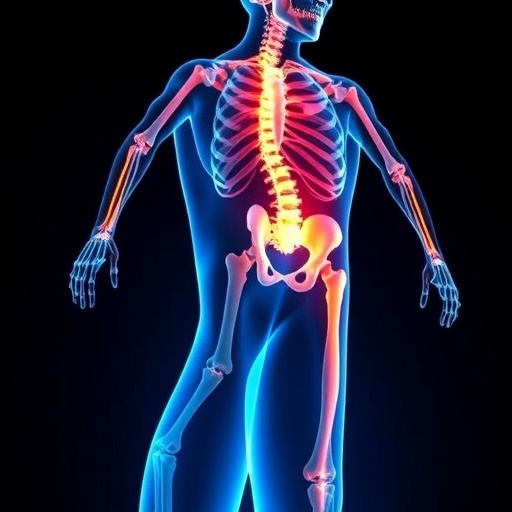
In a groundbreaking study focusing on the intersection of diabetes and bone health, researchers have shed light on the alarming connection between type 2 diabetes mellitus (T2DM) and osteoporosis. Conducted in Thailand, this extensive investigation reveals critical insights into the incidence of osteoporosis among individuals suffering from T2DM, emphasizing the pressing need for targeted interventions and awareness in this vulnerable population.
The research team, spearheaded by Dr. D. Sribenjalak, alongside Dr. P. Looareesuwan and Dr. S. Siriyotha, meticulously examined the epidemiological landscape of osteoporosis within the diabetic community. Their work highlights an urgent health crisis, as both T2DM and osteoporosis are becoming increasingly prevalent on a global scale. Understanding this link is vital for clinicians, patients, and policymakers alike, as the dual burden of these conditions can lead to severe complications and a diminished quality of life.
Osteoporosis is characterized by a decrease in bone mass and deterioration of bone tissue, which significantly increases the risk of fractures. The researchers set out to quantify the incidence of this debilitating condition among those with T2DM, as well as to identify potential risk factors that exacerbate the situation. The results of the study are not only alarming but also serve as a clarion call for immediate action.
According to the findings, individuals with T2DM are at a substantially higher risk of developing osteoporosis compared to their non-diabetic counterparts. This heightened risk is partially attributed to various factors including nutritional deficiencies, hormonal imbalances, and the adverse effects of diabetes medications on bone mineral density. The research clearly illustrates that the relationship between diabetes and bone health is both complex and multifactorial, necessitating a comprehensive approach to prevention and treatment.
One of the standout discoveries of this study revolves around the crucial role of lifestyle factors in influencing bone health. The researchers highlighted the importance of nutrition, physical activity, and overall health management in mitigating the risks associated with osteoporosis. An emphasis on dietary intake rich in calcium and vitamin D, alongside regular weight-bearing exercises, emerged as essential strategies for preserving bone density among those with T2DM. These lifestyle modifications can serve as both preventive measures and therapeutic strategies.
Moreover, the study delves into the hormonal intricacies that underlie the development of osteoporosis in diabetic patients. For instance, insulin resistance—a hallmark of T2DM—has been linked to altered bone remodeling processes, resulting in decreased bone formation and increased bone resorption. This biological pathway underscores the importance of metabolic health not just for overall wellness but specifically for maintaining skeletal integrity.
As global diabetes rates continue to rise, the implications of this research become increasingly relevant. The convergence of diabetes and osteoporosis presents a challenge that healthcare systems must address urgently. The researchers advocate for enhanced screening protocols for osteoporosis in diabetic patients, along with comprehensive education about the risks and prevention methods. Early intervention could significantly reduce fracture incidence and its accompanying morbidity and healthcare costs.
On a clinical note, the findings also suggest that more attention should be given to the pharmacological management of diabetes—specifically regarding the long-term effects of commonly prescribed medications like glucocorticoids, which can adversely impact bone health. Health professionals must aim to strike a balance between controlling blood glucose levels and safeguarding bone mineral density.
In summary, the study conducted by Sribenjalak et al. serves as a pivotal contribution to our understanding of the interplay between diabetes and osteoporosis. As the research highlights, individuals with type 2 diabetes are not only grappling with the immediate challenges posed by high blood sugar levels but are also at an increased risk of developing a silent and often overlooked condition: osteoporosis.
The urgent call to action here is clear—integrated care that encompasses both diabetes management and osteoporosis prevention is essential. This holistic approach can empower patients and healthcare providers to forge a path towards healthier bones and better overall health. With the insights gleaned from this research, the hope is to pave the way for more effective strategies that could ultimately transform the lives of millions affected by these interconnected conditions.
The collaboration between endocrinologists, nutritionists, and physical therapists will be crucial in developing comprehensive care plans tailored to the needs of patients with type 2 diabetes. As healthcare continues to evolve, embracing a multidisciplinary perspective will help address the complex interplay of chronic diseases and improve patient outcomes across the board.
In conclusion, the implications of this research extend far beyond the confines of a single study. They invite a broader conversation about public health initiatives, clinical practice guidelines, and patient education strategies to improve awareness of this critical issue. As we advance into a new era of medicine that prioritizes personalized care, the lessons learned from this research will remain invaluable.
Understanding the intricate relationship between type 2 diabetes and osteoporosis is essential for managing long-term health outcomes. As awareness grows and research continues, one can only hope that better strategies will emerge to prevent the dual weight of these conditions from overwhelming individuals and healthcare systems alike.
In light of these findings, it is crucial for health professionals to not only recognize the associations between diabetes and osteoporosis but also to advocate for more informed lifestyle choices and proactive health measures. By promoting education and preventive efforts, we can help ensure that those at risk are equipped with the knowledge and tools necessary to protect their skeletal health in the face of diabetes.
As researchers continue to unravel the complexities of these chronic conditions, their work serves as a reminder of the importance of innovative solutions in public health. Breaking down the barriers between diabetes management and bone health will ultimately lead to better patient care and enhanced quality of life for those affected by this silent epidemic.
Subject of Research: Incidence and risk factors for osteoporosis in people with type 2 diabetes mellitus in Thailand
Article Title: Incidence and risk factors for osteoporosis in people with type 2 diabetes mellitus in Thailand
Article References:
Sribenjalak, D., Looareesuwan, P., Siriyotha, S. et al. Incidence and risk factors for osteoporosis in people with type 2 diabetes mellitus in Thailand.
BMC Endocr Disord (2026). https://doi.org/10.1186/s12902-026-02165-6
Image Credits: AI Generated
DOI: 10.1186/s12902-026-02165-6
Keywords: Type 2 diabetes, osteoporosis, bone health, risk factors, Thailand, diabetes management, public health.
Tags: bone mass decrease in diabetic patientsdiabetes mellitus and fracture riskdiabetes-related bone health issuesdual burden of diabetes and osteoporosisepidemiological study of osteoporosisinterventions for diabetes and osteoporosisosteoporosis and type 2 diabetes connectionosteoporosis prevalence in Thailandpublic health implications of T2DMquality of life in osteoporosis patientsrisk factors for osteoporosis in T2DMtargeted awareness for bone health