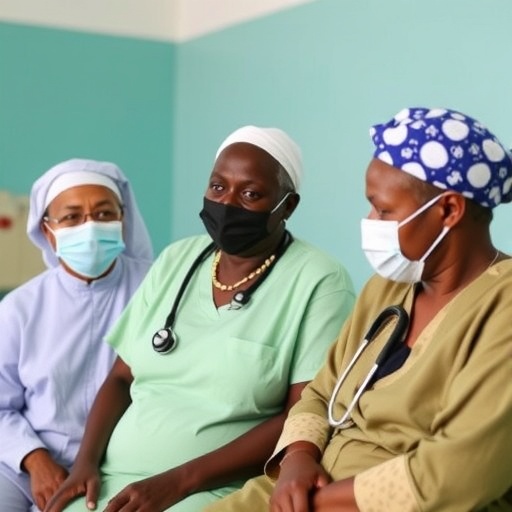
The aging population presents a multitude of challenges for healthcare systems globally, with geriatric patients requiring specialized attention to address their unique healthcare needs. In recent research conducted by a team of physiotherapists and clinical researchers, the complex clinical profiles of geriatric outpatients receiving physiotherapy at a tertiary hospital in Southwest Nigeria were scrutinized in depth. This study, entitled “Clinical profile of geriatric outpatients managed by physiotherapists in a tertiary hospital in Southwest Nigeria,” sheds light on how physiotherapy interventions can significantly improve the quality of life for older adults coping with various health issues.
As populations age, the incidence of chronic diseases, impairments, and disabilities requiring rehabilitation services increases significantly. In this enlightening research, data was collected from geriatric patients attending outpatient physiotherapy sessions. The results revealed that these patients often presented with multifaceted health concerns, including mobility impairments, musculoskeletal pain, and neurological conditions, underscoring the urgent need for tailored physiotherapeutic interventions.
The study’s findings are particularly noteworthy given the diverse socio-economic background of the patients involved. Geriatric patients often experience a variety of barriers to accessing healthcare. These include physical limitations, cultural beliefs surrounding aging, and economic factors that may hinder their ability to seek necessary treatments. The researchers highlighted how these contextual factors can profoundly influence the overall health outcomes of older adults and how physiotherapists can play a crucial role in mitigating these challenges through effective communication and targeted interventions.
In addressing the key components of physiotherapy for geriatric patients, the study outlined the significance of conducting comprehensive assessments tailored to the elderly demographic. Through detailed evaluations, physiotherapists can better understand the specific needs of each patient, enabling the development of personalized treatment plans. This individualized approach not only enhances the effectiveness of physiotherapy but also helps to boost patient satisfaction, engagement, and adherence to treatment protocols.
Additionally, the research incorporated a variety of interventions that were noted to be effective in improving the quality of life of the geriatric population. These therapies ranged from manual therapy techniques aimed at alleviating pain and restoring function to exercise regimens designed to enhance strength, flexibility, and balance. Regular assessments were emphasized as essential for tracking progress and modifying treatment strategies accordingly, ensuring the highest standard of care for older adults.
Moreover, the study reflected on the importance of multidisciplinary teamwork in providing optimal care for geriatric patients. Physiotherapists often collaborate with other healthcare professionals, such as physicians, occupational therapists, and social workers, to create a more holistic care plan. This collaborative approach can enhance the management of comorbidities frequently seen in geriatric patients, such as diabetes, cardiovascular diseases, and arthritis.
The implications of these findings extend beyond individual patient care to the broader healthcare system. As the geriatric population continues to grow, healthcare facilities must adapt to accommodate the unique needs of older adults. This involves not only investing in specialized training for healthcare providers in geriatric care but also advocating for policies that promote accessibility and affordability of physiotherapy services.
Furthermore, education plays a crucial role in empowering older adults to take charge of their health. The research advocates for community outreach initiatives aimed at raising awareness about the benefits of physiotherapy among the geriatric population. By increasing understanding, older adults can make informed choices about their health and actively engage in preventive measures to maintain their independence and quality of life.
In conclusion, the research conducted on the clinical profiles of geriatric outpatients managed by physiotherapists offers valuable insights into the multifaceted needs of this population. With thoughtful, evidence-based approaches, physiotherapy can significantly impact not only the physical well-being of older adults but also their emotional and social health. The commitment to improving the lives of geriatric patients through targeted interventions will be crucial as healthcare systems navigate the complexities of an aging world.
As the geriatric population continues to expand, this study serves as a critical reminder of the integral role physiotherapy plays in enhancing the lives of older adults. The importance of continued research and practice in this field cannot be overstated, especially as new challenges and health conditions emerge. For healthcare professionals, understanding and addressing the unique profile of geriatric outpatients will be paramount in providing high-quality care that meets the evolving needs of this vulnerable population.
In this ever-evolving landscape of geriatric health, it is imperative that healthcare systems prioritize investments in services and research aimed at improving outpatient physiotherapy for older adults. The insights gained from this study can guide the development of evidence-based interventions and frameworks that will help physiotherapists navigate the complexities of geriatric care, ensuring that the needs of the aging population are met with compassion, expertise, and innovation.
Through ongoing collaboration among healthcare providers, community education initiatives, and a commitment to lifelong learning, the promise of effective physiotherapy for geriatric patients can be fully realized. This collaborative effort will not only enhance the physical capabilities of older adults but will also enrich their overall quality of life, fostering a healthier, more supportive environment as they navigate the later stages of life.
With this research illuminating the path forward, it is vital for stakeholders to heed the call to action for prioritizing geriatric physiotherapy in both clinical practice and policy-making. By doing so, we can champion the cause of our aging population, ensuring they receive the comprehensive care they deserve.
Subject of Research: Clinical profile of geriatric outpatients managed by physiotherapists
Article Title: Clinical profile of geriatric outpatients managed by physiotherapists in a tertiary hospital in Southwest Nigeria
Article References:
Fafolahan, A.O., Orekoya, K.D., Toluwanimi, O. et al. Clinical profile of geriatric outpatients managed by physiotherapists in a tertiary hospital in Southwest Nigeria.
BMC Geriatr (2026). https://doi.org/10.1186/s12877-025-06915-4
Image Credits: AI Generated
DOI: 10.1186/s12877-025-06915-4
Keywords: Geriatric care, physiotherapy, outpatient management, healthcare, elder health, chronic disease management, rehabilitation, multidisciplinary teamwork.