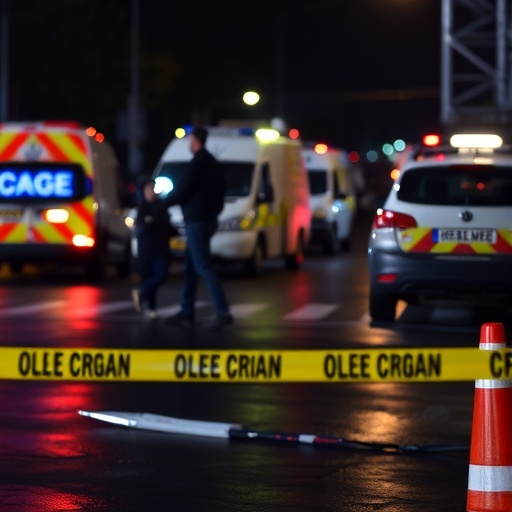
In recent developments within the realm of forensic medical reporting, a pivotal correction has emerged related to the study of non-fatal injury documentation in Dutch criminal cases. This update refines previous understandings, highlighting the intricate intersection between forensic medicine and the criminal justice system. The re-evaluation of regional practices in the Netherlands offers profound insights into how medical experts collaborate with law enforcement to ensure accurate injury assessment, an aspect central to delivering justice and safeguarding legal integrity.
Forensic medical reporting plays a critical role in criminal investigations, serving as a bridge between medical science and the law. The precision with which non-fatal injuries are documented can drastically affect case outcomes, influencing everything from suspect prosecution to victim compensation. This recent correction underscores the necessity for methodological rigor and regional adaptability, recognizing that forensic practices must be tailored to specific legal and cultural contexts to maintain reliability and objectivity.
The Dutch context provides a unique case study, given the country’s layered administrative and judicial frameworks. By employing a mixed-methods analytical approach, incorporating both qualitative interviews with forensic professionals and quantitative data evaluation, researchers have mapped out variations in the reporting procedures across different regions. These variations are not mere bureaucratic discrepancies but reflect deeper differences in forensic protocol adherence, resource allocation, and interdisciplinary communication, all of which directly impact the presentation and interpretation of injury evidence.
Technical refinements introduced by the authors address previously identified inconsistencies in the forensic medical practices underpinning injury assessment. Precision in measuring injury severity, categorizing wound types, and documenting temporal injury progression has been emphasized. Such technical advancements extend beyond clinical observation, demanding technological integration like high-definition imaging, standardized scoring systems, and digital case management platforms that collectively enhance report accuracy.
This correction also illuminates the wider implications for judicial processes. Non-fatal injuries often constitute the primary evidence linking suspects to alleged violent acts. Misclassification or inadequate reporting can lead to wrongful convictions or acquittals, undermining public trust in the justice system. Thus, forensic medical reporting is not simply a procedural technicality but a linchpin in the protection of human rights, judicial fairness, and evidentiary integrity.
Interdisciplinary collaboration emerges as a cornerstone of the revised approach. The corrected insights advocate for increased dialogue between forensic medical examiners, legal professionals, criminologists, and investigators. By fostering cooperative protocols and cross-disciplinary training, the forensic reports gain not only precision but also contextual relevance, enabling judges and lawyers to interpret medical findings within the nuanced frameworks of criminal law.
An intriguing aspect highlighted by this correction is the diversification of forensic expertise across the Netherlands. Regional disparities in educational programs, hospital facilities, and forensic laboratories lead to variations in report quality. Standardizing training curricula and facilitating nationwide data sharing platforms could mitigate these divergences, ensuring uniformity of forensic medical reporting, thus reinforcing equitable legal treatment across jurisdictions.
Moreover, procedural transparency is a focal point underscored in the revision. Detailed documentation of the forensic methodology—ranging from injury examination techniques to the evidentiary chain of custody—enhances reproducibility and accountability. This transparency acts as a safeguard against potential malpractice or procedural biases, strengthening the evidentiary foundation upon which prosecutions are built.
Understanding the dynamics of forensic medical reporting requires an appreciation of the sociological dimensions influencing criminal investigations. Cultural attitudes towards injury disclosure, victim cooperation, and law enforcement practices substantially shape the forensic landscape. The correction integrates these sociocultural variables into the analytical framework, providing a holistic view that transcends mere clinical assessment to consider the human elements interwoven in criminal cases.
Technological advances embedded in this correction include the adoption of artificial intelligence-driven diagnostic tools. These technologies assist in injury pattern recognition and severity scoring, reducing human error and enhancing analytical objectivity. Such innovations signify a transformative step, heralding an era where forensic medicine is augmented by machine learning algorithms capable of processing complex datasets rapidly.
Furthermore, the correction addresses ethical concerns inherent to forensic medical reporting. Patient confidentiality, informed consent, and the dual role of medical examiners as both caregivers and legal agents are delicately balanced. Ethical frameworks guiding forensic practice ensure that medical professionals operate within boundaries that respect patient dignity while fulfilling their legal responsibilities, an equilibrium critical to maintaining professional trustworthiness.
The correction also paves the way for policy reform. By identifying systemic weaknesses and proposing standardized reporting models, it equips policymakers with evidence-based insights to refine forensic regulations, enhance training, and allocate resources more effectively. These reforms aim to elevate forensic medical reporting from diverse regional practices toward a cohesive national standard.
An area of emergent importance within the study is forensic reporting in the context of emerging types of injuries, such as those resulting from cyber-physical interactions or novel weapons. The correction advocates for continuous updates to forensic protocols to incorporate new injury mechanisms, ensuring that forensic medicine remains adaptive and relevant amid evolving criminal modalities.
Finally, the implications of this correction extend beyond the Dutch legal system, offering a blueprint for international forensic practice. The fusion of rigorous mixed-methods research and the incorporation of technological, ethical, and sociocultural dimensions provides a comprehensive framework adaptable to other jurisdictions striving to enhance their forensic medical reporting standards.
In conclusion, the correction to forensic medical reporting practices in the Netherlands signifies a major advance in the forensic sciences, marking a decisive shift toward greater accuracy, transparency, and interdisciplinary collaboration. This enhanced approach not only bolsters the criminal justice system’s integrity but also affirms the essential role of forensic medicine as a guardian of both scientific and legal truth.
Subject of Research:
Forensic medical reporting of non-fatal injuries in criminal cases, focusing on regional practices in the Netherlands.
Article Title:
Correction to: Forensic medical reporting of non-fatal injuries in criminal cases in the Netherlands: a mixed-methods analysis of regional practices.
Article References:
Goudswaard, M.L., Cuijpers, J.N., Ceelen, M. et al. Correction to: Forensic medical reporting of non-fatal injuries in criminal cases in the Netherlands: a mixed-methods analysis of regional practices. Int J Legal Med (2026). https://doi.org/10.1007/s00414-026-03719-y
Image Credits: AI Generated
Tags: criminal justice system collaborationcultural context in forensic reportingforensic medical reporting in the Netherlandsforensic medicine and law intersectionimpact of injury documentation on case outcomesinjury assessment in criminal investigationsmedical expert contributions to legal casesmethodological rigor in forensic practicesmixed-methods analysis in forensic studiesnon-fatal injury documentationregional practices in forensic reportingvariations in injury reporting procedures