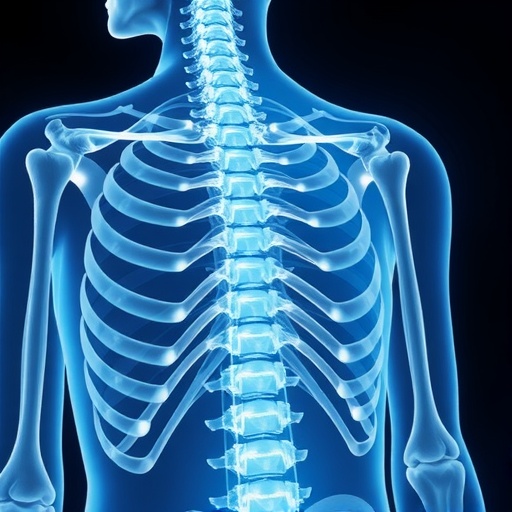
In an increasingly aging global population, osteoporosis remains a paramount health concern that has impacted millions of individuals across the globe. This degenerative bone condition, which leads to weakened bones and increased susceptibility to fractures, particularly emphasizes the importance of understanding the specific predictors of skeletal fractures. Recent research conducted within the framework of the Japanese Osteoporosis Intervention Trial-05 (JOINT-05) has brought to the forefront new insights into what factors may contribute to vertebral fractures among patients suffering from severe osteoporosis.
The study in question, conducted by a chief group of researchers including Inose, Tanaka, and Mori, delves deeply into the underlying elements that play a critical role in the likelihood of vertebral fractures occurring in individuals diagnosed with severe osteoporosis. Fractures, especially in the vertebral region, can lead to excruciating pain, significant disability, and even life-threatening complications in the elderly, making it critical to identify at-risk populations who may benefit from preventive care and tailored treatment options.
Severe osteoporosis is characterized by a substantial reduction in bone mass and deterioration of bone tissue, which consequently leads to an increase in fracture risk. In their comprehensive analysis, the researchers methodically examined a cohort of patients enrolled in the JOINT-05 study, leveraging clinical data to pinpoint which clinical and demographic variables serve as significant predictors for these detrimental fractures. Factors such as age, sex, previous fracture history, and underlying comorbidities were scrutinized to assess their contributory weight in fracture likelihood.
Furthermore, the study emphasized the necessity of proactive management approaches tailored to the individual needs of osteoporosis patients. The identification of specific risk factors linked to fractures provides a dual benefit; not only does it inform practitioners on how to more effectively allocate resources in treatment and prevention but it simultaneously empowers patients by allowing them to take more informed steps regarding their bone health. This empowerment journey is crucial, considering that many individuals with osteoporosis remain unaware of their heightened risk for fractures, often leading to severely compromised quality of life.
Inose et al. were also keen on exploring the role of lifestyle choices and their interaction with osteoporosis. Variations in diet, physical activity levels, and adherence to anti-osteoporotic medications were evaluated to understand their implications on fracture risk. The results indicated that lifestyle choices play a significant role in mitigating the risk of fractures. Those who engaged in regular weight-bearing exercises and maintained a balanced diet enriched with calcium and vitamin D exhibited a lowered relative risk of experiencing vertebral fractures.
Another compelling facet of the research involved the psychological dimensions associated with osteoporosis management. The authors noted how mental health may undoubtedly influence patient adherence to treatment protocols and lifestyle adjustments. Anxiety and depression are known comorbidities affecting many individuals with chronic illnesses, including osteoporosis, which can create additional barriers to maintaining adequate bone health.
In summary, these findings highlight the importance of conducting thorough assessments that go beyond mere physiological evaluations. Clinicians are encouraged to adopt a holistic approach, considering mental health as a vital component of osteoporosis care. Such an integrative perspective may lead to the development of more effective, multifaceted care plans focused on not just the biomedical aspects of the disease but also the emotional well-being of the patient.
The researchers also called for heightened awareness about osteoporosis risk factors among health practitioners and patients alike. A significant finding of their analysis was that many individuals fail to recognize the risk factors that are within their control, such as lifestyle choices and preventive measures. Education and awareness programs targeting both patients and healthcare providers can dramatically alter the landscape of osteoporosis care by fostering proactive behaviors.
As a result, tailored education efforts focusing on vertebral fracture prevention could enhance patient outcomes significantly. By emphasizing the importance of regular screening and risk factor assessment, patients may gain further insight into their susceptibility to fractures and thus prompt dialogue with their healthcare teams about proactive measures.
The JOINT-05 trial and its findings are crucial stepping stones towards a better understanding of osteoporosis and its impacts on vertebral health. The researchers aim to underscore the necessity for ongoing, rigorous research in this area, suggesting that further prospective studies should be executed to validate their findings across diverse populations.
In conclusion, such insights into vertebral fracture predictors could herald a change in clinical practice. The proactive identification and management of patients at high risk for fractures could serve to markedly reduce the burden of osteoporotic fractures worldwide, ultimately improving the quality of life for countless individuals. Enhanced screening methods, patient education programs, and ongoing research are essential for developing effective solutions to combat this silent disease.
As the impact of fractures on patients’ lives can be monumental, it is imperative that we prioritize research that addresses the multifactorial nature of osteoporosis. The collaborative efforts between clinicians, researchers, and patients remain vital to advancing our understanding of this disease, paving the way for innovative treatment modalities tailored to individual risk profiles and personal circumstances.
In the face of a growing demographic of osteoporotic patients, the findings from the JOINT-05 sub-analysis serve as a potent reminder that addressing this public health challenge requires a united, proactive approach founded on the understanding of the intricate web of predictors influencing vertebral fractures. With new knowledge comes hope for new solutions, ultimately aiming for a world where osteoporosis-related fractures are no longer an inevitable consequence of aging.
Subject of Research: Predictors of Vertebral Fractures in Patients with Severe Osteoporosis
Article Title: Predictors of vertebral fractures in patients with severe osteoporosis: a sub-analysis of the Japanese Osteoporosis Intervention Trial-05 (JOINT-05)
Article References:
Inose, H., Tanaka, S., Mori, S. et al. Predictors of vertebral fractures in patients with severe osteoporosis: a sub-analysis of the Japanese Osteoporosis Intervention Trial-05 (JOINT-05).
Arch Osteoporos 21, 12 (2026). https://doi.org/10.1007/s11657-025-01649-7
Image Credits: AI Generated
DOI: https://doi.org/10.1007/s11657-025-01649-7
Keywords: Osteoporosis, Vertebral Fractures, Predictors, JOINT-05, Health Management, Lifestyle Factors, Mental Well-being, Research Advances
Tags: aging population health concernsbone health and fracture preventionclinical research on osteoporosisdisability from vertebral fractureshealth implications of bone density lossJapanese Osteoporosis Intervention Trial-05osteoporosis and agingosteoporosis risk factorssevere osteoporosis predictorsskeletal fracture susceptibilitytailored treatment for osteoporosisvertebral fractures in elderly