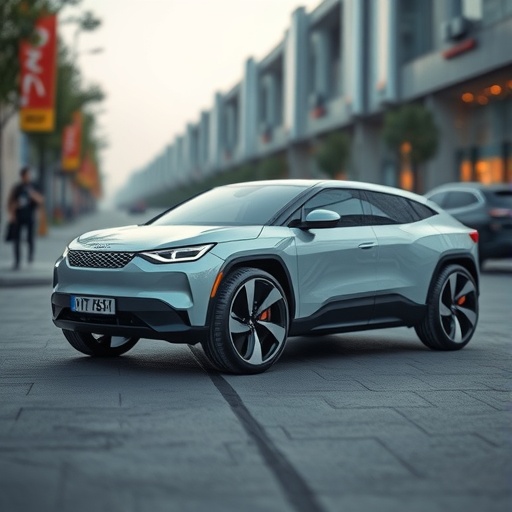
In the rapidly evolving automotive industry, creating user-centric vehicle interior concepts is paramount to enhancing the overall driving experience. The latest research led by Riddoch, Twer, and Raulf introduces a groundbreaking approach that utilizes advanced computer-aided methodologies to derive vehicle modules and functions directly from defined use cases. This innovative study paves the way for tailored designs that align closely with the practical and aesthetic needs of users, thereby addressing an often-overlooked aspect of automotive design: its ability to adapt to diverse user requirements.
The study emphasizes the critical role that use cases play in shaping vehicle interiors. By meticulously analyzing various driving scenarios and user interactions, the researchers outline specific vehicle modules that can be developed to enhance functionality and comfort. This approach signifies a transformative shift from traditional vehicle design methods, which often prioritize technical specifications over real-world usability. The findings highlight the necessity of integrating user feedback into every stage of design, ensuring that the end product is not only technically proficient but also intuitively accessible and enjoyable for a broad audience.
In terms of execution, the research delves into sophisticated computer-aided design (CAD) techniques. These facilitate the visualization of potential designs and enable rapid iteration based on user input. By employing algorithms capable of processing vast arrays of data, the researchers can identify optimal configurations for vehicle interiors that cater to the diverse needs of occupants. This method eliminates many common pitfalls associated with conventional design practices, which frequently overlook the multifaceted ways users engage with vehicle spaces.
Another pivotal aspect of the study is its exploration of modular architecture in vehicle design. This concept allows for the physical separation of different vehicle functions into independent modules that can be easily modified or upgraded. By linking these modules back to specific use cases, designers can ensure that each aspect of the vehicle contributes to a cohesive user experience. As car manufacturers strive to differentiate their offerings in a competitive market, this approach could become a vital component of their design strategies, promoting versatility and personalization.
Furthermore, the research team showcases the significance of prototyping in the development process. Utilizing virtual reality (VR) and augmented reality (AR) technologies, designers can create immersive simulations that enable users to interact with proposed designs even before the physical vehicles are built. This technological integration not only enhances stakeholder engagement but can also lead to more informed design decisions, ultimately resulting in products that better meet consumer needs.
Equally noteworthy is the emphasis on sustainability within the research. The derived modules are designed to be environmentally conscious, utilizing materials and processes that reduce waste and energy consumption. The integration of sustainable practices into automotive design is increasingly important, as consumers become more aware of environmental issues. By considering ecological impact from the outset, the researchers present a model that aligns with global sustainability goals while meeting user demands.
The collaboration between engineers, designers, and user experience professionals stands out as a cornerstone of the study’s success. By fostering a multidisciplinary approach, the project encourages innovative thinking and holistic solutions for vehicle interior concepts. This teamwork is essential in navigating the complex landscape of modern vehicle design, where aesthetics, functionality, and sustainability must all converge seamlessly.
Moreover, user testing emerges as a focal point in the study. Gathering real-time feedback during the design and testing phases ensures that user needs remain at the forefront of development. This iterative feedback loop significantly contributes to the success of the final product, enabling designers to make informed adjustments based on practical insights rather than theoretical assumptions. The study reinforces the notion that user involvement is not merely beneficial but essential in creating automobiles that resonate with their intended market.
Looking ahead, the implications of this research extend beyond individual vehicle designs. As automotive technologies continue to advance, the methodologies developed in this study could serve as templates for a variety of industries seeking to enhance user-centric design. The cross-pollination of techniques from the automotive sector to other fields—such as consumer electronics, furniture, and even urban planning—indicates a broad potential for this approach.
The impact of this research is not confined to design alone; it has significant implications for manufacturing processes. With a clear connection between use cases and modular design, manufacturers can streamline production, improve inventory management, and reduce costs associated with vehicle customization. This efficiency could not only enhance profitability for automakers but also lead to faster delivery times for consumers, enhancing overall satisfaction.
As the automotive landscape becomes increasingly connected and automated, the principles outlined in this research will likely influence future trends in vehicle development. The continuous alignment with user-centric principles will be crucial as vehicles evolve into more complex systems of interaction. Smart technologies that adapt to user preferences and behaviors will become integral to the driving experience, making the methodologies presented in this study all the more relevant.
In conclusion, Riddoch, Twer, and Raulf’s work demonstrates a clear path forward for automotive designers seeking to create vehicles that resonate on a personal level with users. By centering design around detailed use cases and employing innovative technologies, this research sets a precedent for future development. The results are expected to not only reshape the functionality of vehicle interiors but also enhance the connection users feel to their cars, ultimately transforming the way we perceive mobility in our daily lives. As the industry moves towards this user-oriented approach, the possibilities for creativity and innovation are boundless, marking a thrilling new chapter in automotive design.
Subject of Research: User-oriented vehicle interior concepts through computer-aided design
Article Title: Computer aided derivation of vehicle modules and functions from use cases in order to create user orientated vehicle interior concepts.
Article References:
Riddoch, A., Twer, A., Raulf, C. et al. Computer aided derivation of vehicle modules and functions from use cases in order to create user orientated vehicle interior concepts.
Automot. Engine Technol. 8, 153–176 (2023). https://doi.org/10.1007/s41104-023-00134-y
Image Credits: AI Generated
DOI: September 2023
Keywords: Vehicle design, user experience, modular architecture, computer-aided design, prototyping, sustainability.
Tags: AI-driven vehicle designcomputer-aided methodologies in vehicle designdefining use cases in automotive interiorsenhancing driving experience through designinnovative approaches to vehicle interior designintegrating user feedback in automotive designpractical and aesthetic vehicle interior conceptssophisticated CAD techniques in automotive industrytailored vehicle modules for user needstransforming traditional vehicle design methodsuser-centric automotive designvehicle functionality and comfort improvements