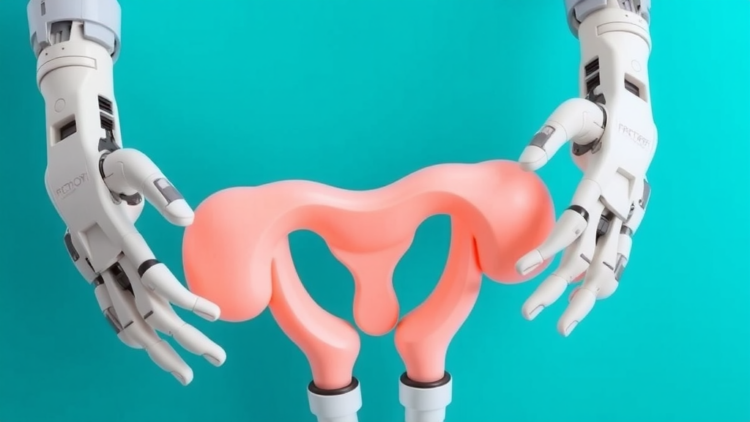
In the rapidly evolving field of medical technology, 3D printing has emerged as a transformative force, particularly in the design and production of medical implants. With advances in materials science and engineering, researchers are now able to create implants that are not only tailored to the precise anatomical needs of individual patients but also possess enhanced functionality and biocompatibility. The implications of this are profound—surgeons can now visualize and fabricate implants that match the patient’s unique anatomy, significantly improving the outcomes of surgical procedures. This article delves into the recent advancements in 3D printed medical implant design, highlighting key studies and innovations that signal the future of personalized medicine.
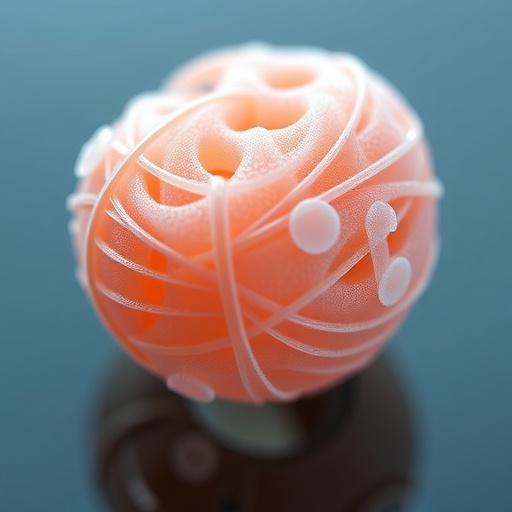
3D printing technology, also known as additive manufacturing, allows for layer-by-layer fabrication of three-dimensional structures based on digital models. In the context of medical implants, this technology enables the creation of complex geometries that traditional manufacturing methods cannot achieve. This includes intricately designed porous structures that promote tissue growth and integration, which are crucial for the success of implants. The customization aspect not only enhances the fit and comfort for the patient but also can reduce the risk of complications associated with improperly fitted implants.
One of the most noteworthy advantages of 3D printing in the medical field is the ability to use biocompatible materials. These materials are specifically designed to interact safely with human tissues. Recent advancements include the development of bioinks, which are used in 3D bioprinting to create scaffolds that encourage cell adhesion, proliferation, and differentiation. This ability to print living tissues opens new avenues for not just implants, but also for regenerative medicine, where the goal is to reproduce human tissue and organs for transplantation.
Researchers are focusing on various materials for 3D printed implants, including metals, polymers, and ceramics. Titanium alloys, renowned for their strength-to-weight ratio and biocompatibility, are commonly used in orthopedic implants. Polymers like polylactic acid (PLA) and polyethylene are favored for their ease of printing and customization capabilities. Bioceramics are also making a mark in the field due to their excellent bioactivity and ability to bond with bone. The choice of material directly impacts the implant’s longevity, structural integrity, and overall function.
One of the critical aspects addressed in recent studies is the integration of 3D printed implants with the body’s biological systems. Researchers have explored methods to enhance the osseointegration process, where the implant fuses with bone tissue. For example, modifying the surface topography of the implants can significantly improve cell attachment and proliferation. Additionally, incorporating growth factors or drug-releasing mechanisms into the implant design can promote healing and reduce infection rates.
The demand for personalized implants is driving a paradigm shift in surgical planning. Surgeons are beginning to use patient-specific models derived from 3D scans to visualize the surgical site before the procedure. These models help in strategizing the approach and refining techniques, which can lead to more efficient surgeries and quicker recovery times. The ability to create surgical guides that assist in precise drilling and placement of implants is also a significant advantage.
Furthermore, the impact of 3D printing in the medical field extends beyond just implants. The technology is facilitating the production of patient-specific surgical instruments and tools, which can be customized for each case. This level of customization leads to improved surgical outcomes and reduces the time required in the operating room—a critical factor, especially in complex procedures.
There is also a growing interest in the ethical and regulatory implications that come with the widespread adoption of 3D printed medical implants. As the technology evolves, so too must the guidelines that govern its use to ensure patient safety and the efficacy of devices. Regulatory bodies are tasked with establishing standards that address the unique challenges presented by additive manufacturing, such as material validation and post-processing requirements.
Moreover, the economic advantages of 3D printed implants cannot be overlooked. Traditional manufacturing methods often require extensive inventory and supply chain logistics, while 3D printing allows for on-demand production, significantly reducing costs associated with excess stock and waste. This model not only supports healthcare institutions in navigating budget constraints but also enhances accessibility for patients who may otherwise be unable to afford personalized care.
The convergence of artificial intelligence and 3D printing is also paving the way for smarter healthcare solutions. Machine learning algorithms can analyze vast datasets to predict the optimal design parameters for implants tailored to individual patient profiles. By integrating AI with 3D printing, we could see more rapid advancements in implant technology that are not only cost-effective but also lead to better patient outcomes.
Finally, as the technology matures, we must consider its future implications and potential challenges. Questions surrounding intellectual property rights, the education of medical professionals in additive manufacturing, and the ongoing need for clinical validation of 3D printed implants remain paramount. Nevertheless, the trajectory of 3D printed medical implants is poised to redefine the landscape of surgical intervention and patient care.
In conclusion, the contributions of 3D printing to the field of medical implants are invaluable, with significant strides being made in customization, material science, and integration with biological systems. As we look ahead, it is clear that continuous research and collaboration among engineers, medical professionals, and regulatory bodies will be crucial in harnessing the full potential of this revolutionary technology.
Subject of Research: 3D Printed Medical Implants
Article Title: A review of 3D printed medical implant design
Article References: Madan, J., Witherell, P. & Rosen, D.W. A review of 3D printed medical implant design. 3D Print Med 12, 3 (2026). https://doi.org/10.1186/s41205-025-00300-y
Image Credits: AI Generated
DOI: https://doi.org/10.1186/s41205-025-00300-y
Keywords: 3D Printing, Medical Implants, Biocompatible Materials, Personalized Medicine, Additive Manufacturing, Osseointegration, Surgical Planning.
Tags: 3D printed medical implantsadditive manufacturing in healthcareadvancements in surgical proceduresbiocompatibility of implantscomplex geometries in implantscustom implant design technologyfuture of healthcare technologymaterials science in medicinepatient-specific medical solutionspersonalized medicine advancementssurgical outcomes improvementtissue engineering innovations