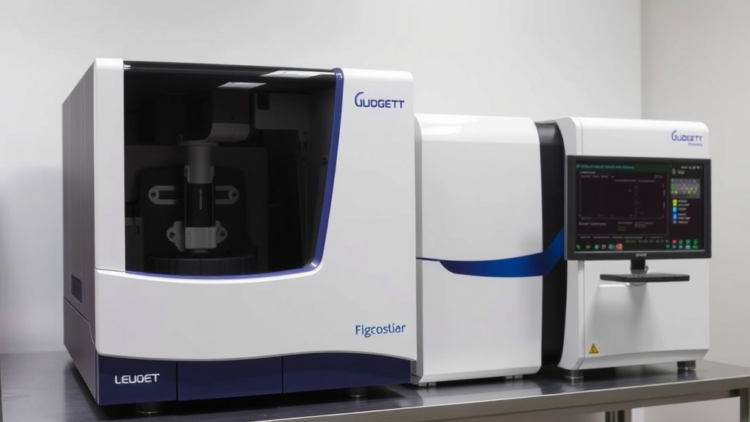
In an era where precision medicine is becoming increasingly important, the integration of advanced genomic techniques into prenatal diagnostics is transforming our understanding of genetic disorders. A recent study titled “Evaluation of the efficacy of optical genome mapping in prenatal diagnosis: a retrospective cohort study” authored by Yin et al. and published in the Journal of Translational Medicine, explores how optical genome mapping (OGM) can enhance the effectiveness of prenatal screenings, thereby providing crucial insights into potential genetic anomalies in developing fetuses.
Optical genome mapping is an innovative technology that allows for the comprehensive analysis of an organism’s entire genomic structure in a highly visual and detailed manner. This technique employs fluorescent labeling and advanced imaging to create a ‘map’ of the genome, revealing structural variations such as duplications, deletions, and translocations that might not be detectable through traditional DNA sequencing methods. The ability to visualize large segments of DNA provides a more complete picture of chromosomal integrity, which is vital in prenatal diagnostics, where the stakes are exceptionally high.
The use of OGM in prenatal diagnosis has captured the attention of researchers and clinicians alike, particularly as the demand for accurate, non-invasive methods grows. In their retrospective cohort study, Yin and colleagues meticulously analyzed data from a sizeable group of prenatal patients who underwent OGM alongside conventional testing methods. The outcomes of this investigation offer promising evidence that OGM could fill the diagnostic gaps left by traditional approaches, potentially leading to early interventions and improved outcomes for affected infants.
One of the significant advantages of optical genome mapping is its ability to detect copy number variations (CNVs) and other structural rearrangements at a resolution that far exceeds that of standard karyotyping or even next-generation sequencing (NGS). These CNVs can be implicated in various developmental disorders, making them crucial targets for prenatal assessments. Furthermore, because OGM can analyze long stretches of DNA without the fragmentation seen in other sequencing techniques, it minimizes the risk of missing critical genetic alterations.
Additionally, OGM is a relatively straightforward technique that can be implemented within existing laboratory frameworks, making it accessible for many healthcare providers. By combining the clarity of optical mapping with the depth of genomic sequencing, this method opens new pathways for understanding complex genetic frameworks and their implications in prenatal health. The findings from Yin et al. suggest that incorporating OGM into standard prenatal care could significantly enhance the accuracy and early detection rates of chromosomal anomalies.
The psychological burden on expectant parents when dealing with the uncertainties of genetic testing can be tremendous. The implementation of more reliable diagnostic methods like OGM not only has the potential to increase the accuracy of diagnoses but also to ease the anxiety associated with ambiguous test results. Families could gain a clearer understanding of the risks and make informed decisions earlier in the pregnancy, which is invaluable in fostering a supportive environment as they navigate potential outcomes.
As the field of prenatal diagnostics continues to evolve, the implications of such advancements extend beyond individual cases. There is a broader societal aspect where improved prenatal diagnostics can lead to better resource allocations in healthcare. Enhanced early detection rates could contribute to more targeted maternal-fetal medicine and, ultimately, improved public health outcomes. The economic impact of investing in high-fidelity tools like OGM is substantial, as the potential for early diagnosis and intervention could reduce long-term healthcare costs associated with managing genetic disorders in newborns.
Furthermore, the study emphasizes the critical need for ongoing research into the integration of OGM with other genomic technologies. While the results from the retrospective cohort study are encouraging, larger trials and longitudinal studies are necessary to fully understand how OGM can be harmonized with existing testing modalities. The quest for more refined and comprehensive diagnostic approaches must remain dynamic, with continuous re-evaluation based on emerging findings.
One cannot overlook the rapid pace at which genomic technologies are advancing. As sequencing costs decrease and computational methods become more sophisticated, the scope of what can be achieved through these technologies will undoubtedly expand. This rapid evolution creates exciting prospects not just for prenatal diagnostics, but for a myriad of other medical fields including oncology and personalized medicine.
In light of these developments, the implications of such findings are profound. As we stand on the cusp of a new frontier in prenatal diagnostics, the role of technologies like OGM may define the future of genetic health assessments. It challenges the traditional paradigms of prenatal testing and pushes for a more integrative approach that could very well serve as a model for other areas within genetic medicine.
The future of prenatal diagnostic practices could be fundamentally reshaped by the insights gained from this study. As maternal-fetal care continues to adapt to new technological landscapes, patient outcomes could improve dramatically through the adoption of more precise diagnostics. The onus now lies on healthcare systems to embrace these advancements and implement them within clinical settings, ensuring that all patients have access to the latest and most effective diagnostic tools.
This pivotal study propels the narrative that heralds optical genome mapping as a disruptive technology in the field of prenatal diagnostics. Yin et al.’s work serves as a catalyst, urging healthcare professionals and researchers to consider innovative solutions that can revolutionize how prenatal conditions are assessed. The evidence-based approach laid out in this study provides a compelling argument for re-evaluating current practices and encourages the healthcare community to iterate on solutions that prioritize both efficacy and patient well-being.
As we move forward, it is crucial to maintain a dialogue around these advancements. Continuous collaboration between researchers, clinicians, and policymakers will enrich the landscape of prenatal care and ensure that innovations like optical genome mapping reach their full potential. Patients deserve the best that science and medicine can offer, and studies like that of Yin et al. are steps toward achieving that goal.
In conclusion, the retrospective cohort study on the efficacy of optical genome mapping heralds a significant stride toward more effective prenatal diagnostics. The advancements realized through this technology stand to revolutionize maternity care, allowing for earlier and more accurate detection of potential genetic conditions. As the scientific community reflects on these promising findings, the future looks bright for expectant families seeking clarity and reassurance in their prenatal journey.
Subject of Research: Optical genome mapping in prenatal diagnostics.
Article Title: Evaluation of the efficacy of optical genome mapping in prenatal diagnosis: a retrospective cohort study.
Article References:
Yin, K., Lü, Y., Zhang, H. et al. Evaluation of the efficacy of optical genome mapping in prenatal diagnosis: a retrospective cohort study.
J Transl Med 24, 89 (2026). https://doi.org/10.1186/s12967-025-06901-9
Image Credits: AI Generated
DOI: https://doi.org/10.1186/s12967-025-06901-9
Keywords: Optical Genome Mapping, Prenatal Diagnosis, Genetic Testing, Copy Number Variations, Maternal-Fetal Medicine, Genomics, Public Health.
Tags: advancements in genetic anomaly detectionenhancing prenatal diagnostics with technologyfluorescent labeling in genome analysisgenomic techniques in prenatal screeningimplications of OGM for fetal healthnon-invasive prenatal testing methodsoptical genome mapping in prenatal diagnosisprecision medicine in pregnancyretrospective cohort study on OGMstructural variations in genetic disorderstransformative approaches in genetic counselingvisualizing genomic structure for prenatal care