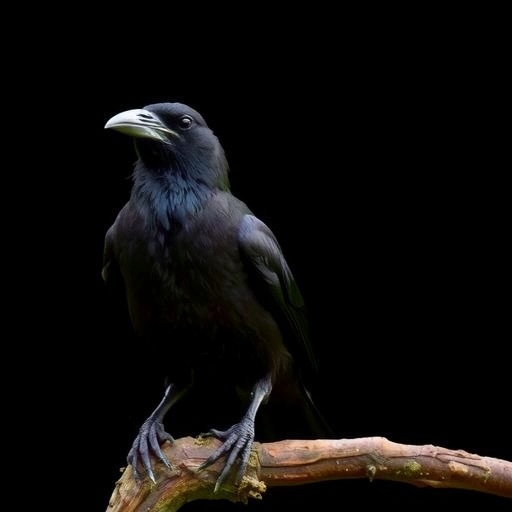
In a groundbreaking study, researchers have uncovered compelling insights into the vocal identity formation of carrion crows, a topic that has fascinated ornithologists and cognitive scientists alike. The intricate developmental pathways that lead to the unique vocal signatures of these intelligent birds reveal not only the complexity of avian communication but also challenge long-held notions about animal language. This research underscores the significance of vocal identity in survival strategies within the avian world.
At the heart of this research is an exploration into how young carrion crows learn and develop their distinctive calls. Unlike many other species, these birds showcase an unexpected depth and variation in their vocalizations. The study suggests that the ontogeny of vocal identity—essentially how these calls are formed and refined over time—is influenced by both genetic predispositions and environmental factors such as learning from adult models and the social context in which young crows grow up.
The investigation is particularly significant in understanding the social behavior of carrion crows, which are known for their complex social structures. Their communication is not only a tool for individual expression but also for social networking, and a well-developed vocal identity plays a key role in these interactions. The study highlights that individual identity is communicated through specific vocal traits that are finely tuned during development, indicating a sophisticated mechanism for social bonding and territory establishment among carrion crows.
Researchers used advanced acoustic analysis methods to dissect the calls of crows at different stages of their lives. By monitoring vocal patterns from fledglings to adults, the team was able to identify critical periods where vocal learning occurs most significantly. This involves both imitation of adult calls and unique modifications that the young birds develop as they interact with their peers and their environment. These findings paint a vivid picture of the developmental timeline in which vocal identities are shaped.
Moreover, the study draws parallels between avian and human communication systems, especially regarding the learning mechanisms involved. Just as children learn to speak by mimicking adults, young carrion crows essentially ‘listen’ and ‘practice’. This modeling suggests a potential evolutionary advantage, whereby crows that can effectively communicate within their group may have better access to resources and mates. The implications of these findings extend beyond avian biology; they provoke thought about cognition and communication in all social animals.
Another compelling aspect of the research is the role of environmental noise in shaping vocal identities. In urban settings where noise pollution is prevalent, researchers observed shifts in the crow’s vocal patterns. This adaptation in vocalization is critical as it helps the birds to maintain clear communication channels despite adverse conditions. Such adaptability illustrates an incredible resilience and further emphasizes the adaptability of these creatures in evolving urban landscapes.
The findings also contribute to the broader dialogue on animal intelligence. As crows are already recognized as one of the most intellectually advanced avian species, understanding their vocal identity development adds another layer to their complexity. Their ability to modify calls based on their environmental context and social relationships places them at the forefront of discussions about animal cognition and the evolution of communication strategies.
As scientific interest intensifies around the communicative effectiveness of non-human species, the carrion crow serves as a pivotal subject. Understanding the nuances of their vocal development can unlock new perspectives in comparative psychology and linguistics, ultimately guiding future research into animal communication systems more broadly. The article concludes by calling for further exploration into the cognitive processes underlying these vocal behaviors, with the potential to revolutionize our understanding of avian intelligence.
The implications of this research stretch far beyond academic interest. It encourages a re-evaluation of how we perceive animal communication, advocating for greater sensitivity towards the environmental factors that influence these dynamics. As we continue to encroach upon their habitats, it becomes increasingly urgent to grasp the complexities of their social structures and communication methods.
This study is not only a testament to the exceptional capabilities of carrion crows but also a critical reminder of how much is still to learn about avian life. In an era where environmental integrity and species preservation are paramount, understanding the intricacies of such adaptable and intelligent species is crucial. This research could ultimately inform conservation practices that respect and protect the natural behaviors and habitats of these remarkable birds.
As we move forward, this research sets a foundation for future studies aimed at honing our understanding of animal communication. The exploration into carrion crows helps bridge the gap between human and animal voices, highlighting the rich tapestry of nature’s communication systems. With ongoing studies, it remains to be seen how these fascinating avians adapt their vocal identities in response to both social structures and anthropogenic influences.
Ultimately, the journey into the vocal life of carrion crows offers a glimpse into the broader narrative of communication in the animal kingdom. It prompts both scientists and laypeople alike to ponder the deeper meanings behind avian calls and the stories they tell about survival, adaptation, and intelligence in a changing world.
Subject of Research: Vocal identity development in carrion crows (Corvus corone)
Article Title: The ontogeny of vocal identity in carrion crows (Corvus corone).
Article References:
Gidl, H., Binder, S., Osiecka, A.N. et al. The ontogeny of vocal identity in carrion crows (Corvus corone).
Anim Cogn (2025). https://doi.org/10.1007/s10071-025-02021-5
Image Credits: AI Generated
DOI: https://doi.org/10.1007/s10071-025-02021-5
Keywords: Carrion crows, vocal identity, acoustic analysis, social communication, animal intelligence.
Tags: avian communication complexitycarrion crows vocal identity developmentcognitive science of animal languageenvironmental influences on vocalizationgenetic factors in crow callsintricate vocal signatures of intelligent birdslearning through adult models in birdsontogeny of bird callsornithology research on crow communicationsignificance of vocal identity in survivalsocial behavior in crowssocial networking among carrion crows