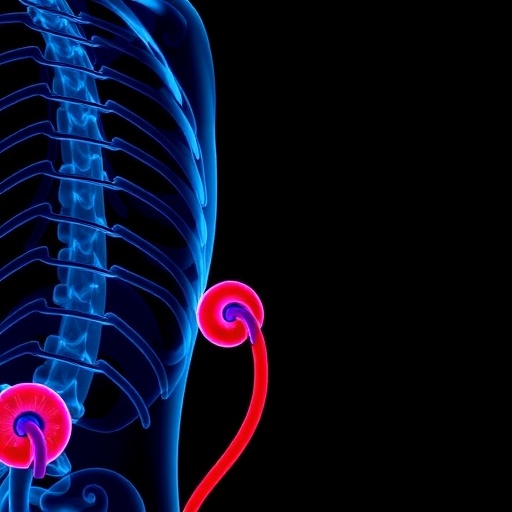
Recent advancements in osteoporosis treatment reveal an intriguing correlation between renal function and the efficacy of romosozumab following denosumab administration in women. Researchers, Kobayashi, Kobayakawa, and Nakamura, delve deep into this relationship in their forthcoming article in Archives of Osteoporosis. This study highlights the importance of renal health in predicting the therapeutic response for patients battling osteoporosis, shedding light on an often-overlooked factor in bone health management.
Osteoporosis, primarily characterized by weakened bones, has become a significant public health issue affecting millions globally. Treatment options like denosumab and romosozumab have emerged as frontrunners in the management of this condition. However, the variability in patient responses poses critical questions about tailoring treatments accordingly. The latest findings suggest that renal function could serve as a crucial biomarker in this process.
Denosumab, a widely prescribed osteoclast inhibitor, has been effective in reducing fracture risk for postmenopausal women with osteoporosis. Nevertheless, some patients may require a switch to alternative treatments like romosozumab, which enhances bone formation. Understanding how prior denosumab treatment affects the efficiency and effectiveness of subsequent romosozumab use is essential for improving patient outcomes.
The collaborative study endeavors to establish a clear connection between renal function and the response to romosozumab after denosumab therapy. The research team meticulously analyzed clinical trial data, focusing on patients’ renal health metrics prior to treatment. This comprehensive analysis included determining glomerular filtration rates (GFR) as a vital indicator of renal function.
Findings from the research indicate that women with preserved renal function exhibited a significantly more favorable response to romosozumab compared to those with compromised renal capabilities. This pivotal insight may influence how clinicians consider patient renal health when determining the best course of osteoporosis therapy. The implication is profound: optimal renal function could mitigate the risk of suboptimal therapeutic responses, thus increasing the effectiveness of bone health interventions.
Furthermore, the researchers postulate that the biological mechanisms underpinning this relationship could involve the metabolism of both medications. Denosumab and romosozumab have distinct pharmacokinetics, and impaired renal function might affect the systemic distribution and efficacy of these drugs. An understanding of these metabolic pathways may help inform future studies aimed at delineating the interplay between renal function and pharmaceutical efficacy.
It’s noteworthy that osteoporosis treatments are notoriously not one-size-fits-all, and this research further complicates that paradigm. With a significant segment of the population facing renal impairments, the findings prompt necessary dialogues surrounding pre-treatment assessments. Clinicians will need to emphasize renal evaluations as an integral part of treatment planning and patient education.
In addition to clinical implications, the research opens avenues for further studies that could explore varying responses not only to romosozumab but also to other osteoporosis treatments based on individual renal health status. The potential for personalized medicine in osteoporosis treatment plans is promising, given the study results.
Moreover, the findings corroborate the current guidelines which recommend regular monitoring of renal function among osteoporosis patients. Identifying renal impairment early on may empower healthcare providers to make more informed decisions regarding treatment regimens and alternatives, ultimately enhancing patient outcomes.
The researchers advocate for the need for larger scale, longitudinal studies to reaffirm their findings and analyze the long-term implications of renal health on osteoporosis treatment efficacy. Such investigations could yield enough evidence to potentially reshape current osteoporosis treatment frameworks and introduce renal function as a standardized component in treatment algorithms.
Implications extend beyond clinical practice; by addressing the relationship between renal function and treatment responses, education for both patients and providers may aid in optimizing intervention outcomes. Awareness campaigns could highlight the significance of renal health in maintaining skeletal integrity and overall health.
In conclusion, Kobayashi and colleagues are spearheading critical dialogues in osteoporosis management. Their findings signify a shift towards a more nuanced and carefully tailored approach to osteoporosis treatment, with a spotlight on renal health. Consequently, these insights bear the potential to revolutionize how osteoporosis is approached in clinical settings, emphasizing individual patient profiles over standardized treatments.
This study can be a cornerstone in constructing better management strategies for osteoporosis, ideally leading to a future where patient care is personalized, effective, and centered around holistic health considerations.
Subject of Research: The relationship between renal function and the response to romosozumab readministration following denosumab treatment in women with osteoporosis.
Article Title: Renal function predicts 12-month response to romosozumab readministration after denosumab in women with osteoporosis.
Article References: Kobayashi, T., Kobayakawa, T. & Nakamura, Y. Renal function predicts 12-month response to romosozumab readministration after denosumab in women with osteoporosis. Arch Osteoporos 21, 9 (2026). https://doi.org/10.1007/s11657-025-01645-x
Image Credits: AI Generated
DOI: https://doi.org/10.1007/s11657-025-01645-x
Keywords: osteoporosis, renal function, romosozumab, denosumab, bone health, treatment efficacy, personalized medicine, glomerular filtration rate.