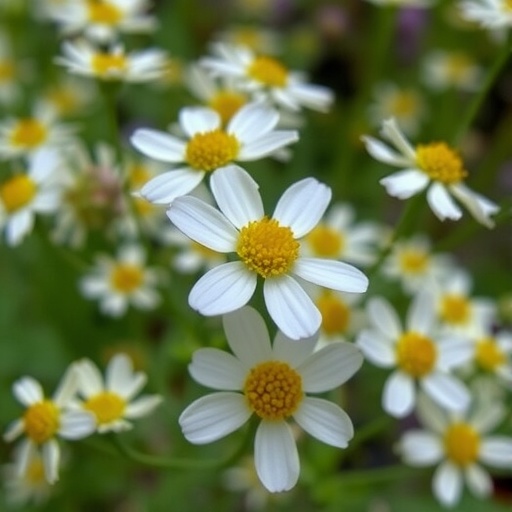
In an intriguing new study published in Scientia Naturalis, researchers have uncovered compelling insights into the cardiovascular effects of Matricaria chamomilla, commonly known as chamomile. This little flower, often associated with soothing teas enjoyed around the world, has revealed its potential as a significant player in cardiovascular health through its active components, which exhibit calcium channel modulation and vasorelaxant activity. Such discoveries could pave the way for novel therapeutic strategies in managing cardiovascular disorders.
The focus of this research was to explore the mechanisms by which chamomile extracts influence cardiovascular functions. Many plants have been studied for their medicinal properties, yet Matricaria chamomilla stands out due to its historical usage in traditional medicine. Researchers aimed to investigate whether the bioactive compounds within chamomile could produce measurable effects on blood vessel dynamics and heart function.
Initial experiments conducted in vitro indicated that chamomile extracts possess a distinct ability to induce vasorelaxation in isolated vascular tissue. By applying varying concentrations of the extract, the researchers noted a significant decrease in tension across the vascular walls, suggesting that the extract contributed to the relaxation of blood vessels. This observed vasorelaxation raises critical questions about the underlying biochemical pathways activated by chamomile.
To further elucidate the pharmacological properties of chamomile’s active ingredients, the researchers turned their attention to calcium channels. Calcium ions play a fundamental role in regulating vascular smooth muscle contraction. The team hypothesized that chamomile extract might inhibit calcium influx through these channels, ultimately leading to relaxation of the vascular smooth muscle. Their experimental data supported this hypothesis, showing that chamomile extracts effectively hindered calcium entry, thus relaxing blood vessels.
The implications of these findings extend beyond mere academic interest. As hypertension and other cardiovascular diseases continue to pose public health challenges, the utilization of natural remedies such as chamomile could offer a complementary approach to conventional treatments. The potential for a natural product to regulate blood pressure and improve vascular health resonates particularly with individuals seeking holistic health solutions devoid of synthetic pharmacological interventions.
While traditional pharmaceuticals often come with a spectrum of side effects, plant-derived extracts like chamomile tend to have a more favorable safety profile. The research highlights that chamomile has been used for centuries with minimal reports of adverse effects, emphasizing the importance of botanical studies in discovering safe alternatives for patient care.
Moreover, the study underscores the necessity of employing rigorous scientific methodologies when examining the efficacy of herbal medicines. By integrating pharmacological evaluations with advanced biochemical assays, the researchers have established a comprehensive understanding of how chamomile extracts can be applied to cardiovascular health. Their findings encourage further research into standardized extraction methods and dosing to optimize therapeutic outcomes.
The researchers acknowledged that even with these promising results, there remain challenges in transitioning this knowledge into clinical practice. Comprehensive clinical trials will be essential to determine appropriate dosage, patient selection, and long-term safety of chamomile in the context of cardiovascular health. As such, this work serves as a foundational step toward broadening the therapeutic options available for cardiovascular disease management.
Encouragingly, the surge of interest in natural products reflects a growing trend toward integrative medicine. Patients increasingly seek out holistic treatments that address their health concerns while aligning with their personal philosophies regarding health and wellness. Chamomile, with its calming properties and emerging cardiovascular benefits, fills a unique niche in this landscape.
As we await further developments in the research front, healthcare providers and patients alike should keep a vigilant eye on studies concerning chamomile and its burgeoning role in cardiovascular therapy. The prospect of utilizing a common herbal remedy to combat complex health challenges illustrates the potential synergy between traditional knowledge and modern scientific inquiry.
In conclusion, the cardiovascular effects of Matricaria chamomilla extract, as unveiled in this notable study, represent not just a scientific breakthrough, but an invitation to explore the fusion of time-honored natural remedies with contemporary medical practices. The journey from folk remedy to scientifically validated therapy may well provide new avenues in the prevention and treatment of cardiovascular diseases, a task of paramount importance in the face of escalating health concerns in today’s society.
As researchers continue to delve deeper into the pharmacological secrets of natural products, the findings presented here open pathways for further investigations into how such extracts can be harnessed for better health outcomes. In decades to come, chamomile may very well be regarded as more than just a comforting herbal tea, but as an essential player in supporting heart health.
Subject of Research: Cardiovascular effects of Matricaria chamomilla extract
Article Title: Cardiovascular effects of Matricaria chamomilla extract: calcium channel modulation and vasorelaxant activity.
Article References:
Sirojiddin, O., Izzatullo, A., Ulugbek, G. et al. Cardiovascular effects of Matricaria chamomilla extract: calcium channel modulation and vasorelaxant activity.
Sci Nat 113, 14 (2026). https://doi.org/10.1007/s00114-025-02065-0
Image Credits: AI Generated
DOI: 19 January 2026
Keywords: Matricaria chamomilla, chamomile extract, cardiovascular health, vasorelaxation, calcium channels, pharmacological properties.
Tags: bioactive compounds in chamomilebiochemical pathways of chamomilecalcium channel modulationchamomile extracts and blood vessel dynamicschamomile vasorelaxant activityin vitro studies of chamomileMatricaria chamomilla cardiovascular healthMatricaria chamomilla in modern medicinenatural remedies for heart healththerapeutic strategies for cardiovascular disorderstraditional medicine and cardiovascular effectsvascular tension reduction