In a groundbreaking study published in BMC Genomics, researchers have unveiled a novel microbial isolate, Vreelandella Titanicae sp. Zn11_249, discovered in the unique chaotropic environment of Salar de Uyuni in Bolivia. This salt flat, celebrated for its ethereal beauty and extreme conditions, serves as an unparalleled habitat for extremophiles, organisms that thrive in environments previously thought to be inhospitable to life. This latest genomic analysis not only highlights the resilience of life but invites an exciting exploration into the evolutionary mechanisms that enable such survival.
The Salar de Uyuni, the largest salt flat in the world, provides researchers with an intriguing natural laboratory. The extreme salinity and variable desiccation conditions of this ecosystem create stress on living organisms, pushing the limits of metabolic and physiological functions. This environment has been relatively understudied compared to other extremophilic habitats, making the discovery of Vreelandella Titanicae all the more significant. The researchers employed cutting-edge genomics techniques to characterize this novel isolate, uncovering the biological adaptations that allow it to thrive under extreme conditions.
One of the prominent aspects of this research is the use of whole-genome sequencing techniques, which enables the researchers to obtain a complete picture of the genetic makeup of Vreelandella Titanicae. By utilizing high-throughput sequencing technology, the team can delve deep into the organism’s genome, providing insights into the genes responsible for its adaptation to the chaotropic environment. This approach yields a wealth of information about the metabolic pathways, regulatory networks, and stress response mechanisms that define this unique microorganism.
Through bioinformatics analysis, the researchers were able to identify key genetic markers that appear to be pivotal for Vreelandella Titanicae’s survival. The findings suggest adaptations linked to osmoregulatory processes, allowing this isolate to manage intracellular salt concentrations effectively. This discovery not only enhances our understanding of the molecular strategies employed by extremophiles but also opens up new avenues for biotechnological applications, such as bioremediation and industrial biocatalysis in saline environments.
In addition to exploring the genomic features of Vreelandella Titanicae, the study also offers insights into its ecological role within the Salar de Uyuni ecosystem. By understanding the interactions this microorganism has with other microbial communities, researchers can begin to construct a more comprehensive model of life in hypersaline environments. The social behavior of microbial communities, including synergistic growth and resource sharing, plays a crucial role in the survival of species in such extreme conditions.
The research meticulously details the phylogenetic analysis of Vreelandella Titanicae, highlighting its relationships with other known extremophiles. Phylogenetic trees constructed using genetic data indicate that Vreelandella Titanicae occupies a unique position in microbial taxonomy, distinguishing it from its closest relatives. This information is invaluable for understanding evolutionary trends in extremophiles and may reveal how life adapts to life in some of Earth’s most challenging environments.
Moreover, the study emphasizes the importance of preserving extreme habitats like Salar de Uyuni. As climate change and human activities pose threats to these unique ecosystems, understanding the organisms that inhabit them becomes progressively crucial. The microbial entities like Vreelandella Titanicae represent not only the resilience of life but also a reservoir of genetic and biochemical information that could aid humanity in addressing environmental challenges.
An intriguing aspect of Vreelandella Titanicae’s biology is the potential for harnessing its genomic information for industrial applications. The robust enzymes that extremophiles like this isolate produce could have significant implications for various biotechnological processes, including bioremediation efforts and the bioprocessing of materials at high salinity levels. This insight underscores the relevance of studying extremophiles, as advancements in genetic technology allow for that exploration of their myriad potential applications.
As the research community continues to delve into the complexities of extremophiles, the findings concerning Vreelandella Titanicae highlight a crucial intersection between biotechnology and conservation. This research opens up discussions about responsible science—balancing scientific inquiry and exploration with the ethical considerations of preserving unique and vulnerable ecosystems around the globe.
By shedding light on this novel isolate and its genomic composition, the study presents a timely reminder of the incredible diversity of life on Earth. It encourages scientists to reconsider the limits of life and emphasizes the need for continuous exploration of extreme habitats. The discoveries within the realms of extremophiles remind us that even in the most inhospitable environments, life not only survives but thrives. This notion fuels the quest for understanding life’s complexities and the inherent adaptability that biodiversity offers.
Ultimately, the genomic study of Vreelandella Titanicae sp. Zn11_249 serves as a stepping stone, propelling future research into microbial genomics in extreme environments. As researchers apply these genomic insights to broader biological concepts, the implications of such studies will resonate across various scientific domains, from evolutionary biology to environmental science and biotechnology. The journey of understanding how such microorganisms adapt to extreme environments continues to unfold, promising exciting revelations about the natural world.
As we look ahead, the research from Sabroso, Abrusci, Rodríguez, and their team heralds the dawn of a new era in our understanding of microbial life in extreme conditions. The collaborative efforts in genomic research, combined with the innovative techniques employed, illustrate the power of modern science in uncovering the mysteries of life on our planet. As studies of organisms like Vreelandella Titanicae progress, they will undoubtedly shape future explorations into microbial resilience and adaptation in an ever-changing world.
Subject of Research: Genomic analysis of the novel isolate Vreelandella Titanicae sp. Zn11_249 from the chaotropic environment Salar de Uyuni (Bolivia).
Article Title: Genomic analysis of a novel isolate Vreelandella Titanicae sp. Zn11_249 from the chaotropic environment Salar de Uyuni (Bolivia).
Article References:
Sabroso, E., Abrusci, C., Rodríguez, N. et al. Genomic analysis of a novel isolate Vreelandella Titanicae sp. Zn11_249 from the chaotropic environment Salar de Uyuni (Bolivia).
BMC Genomics (2026). https://doi.org/10.1186/s12864-025-12431-x
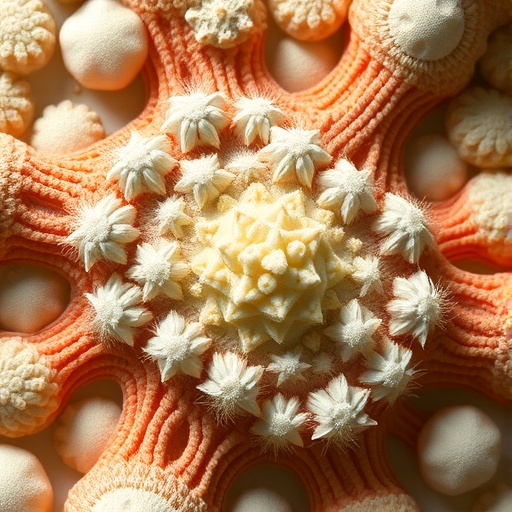
Image Credits: AI Generated
DOI: 10.1186/s12864-025-12431-x
Keywords: extremophiles, Vreelandella Titanicae, genomic analysis, microbial ecology, biotechnological applications, hypersaline environments.