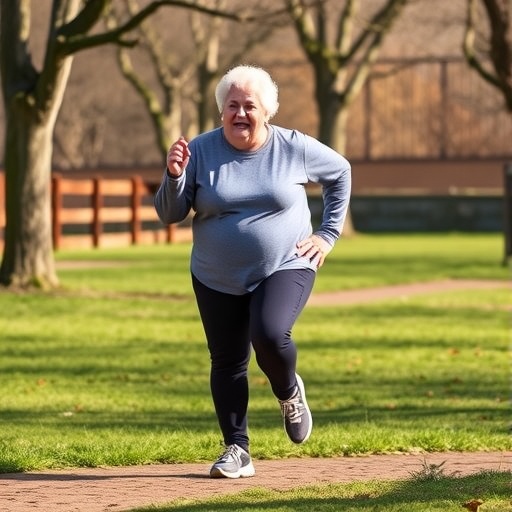
As we age, our bodies undergo a myriad of physical changes, which can significantly affect our health and mobility. Among the most pressing concerns in geriatric health is the phenomenon of sarcopenic obesity, a condition characterized by the simultaneous presence of increased body fat and a decrease in muscle mass. This dual challenge poses significant barriers to maintaining physical independence in older adults. A recent study delves into the specific obstacles and facilitators that influence older adults to engage in resistance and aerobic exercises, shedding light on this critical issue.
The research, spearheaded by Huang, Wang, and Hu, offers a qualitative exploration into the perceptions and experiences of older adults facing sarcopenic obesity. While the study aims to unveil the unique challenges that this demographic encounters in their quest for physical activity, it also highlights the underlying motivations that can encourage healthier lifestyles. By focusing on a qualitative framework, the researchers captured the nuanced perspectives of older adults, revealing a rich tapestry of insights that quantitative data alone may overlook.
One of the primary barriers identified in the study is the physical discomfort associated with exercise. Many older adults voiced concerns about the pain and fatigue that often accompany even light physical activity, which can deter them from engaging in regular exercise routines. For individuals grappling with sarcopenic obesity, the fear of exacerbating existing health issues plays a significant role in their reluctance to participate in both aerobic and resistance training. This hesitance illustrates the dire need for tailored exercise programs that prioritize safety and gradual progress.
In addition to physical discomfort, emotional and psychological factors significantly influence older adults’ willingness to exercise. Many participants expressed feelings of embarrassment or shame related to their body image, particularly in social fitness settings. The perception that they might be judged or viewed unfavorably by their peers can discourage them from pursuing exercise opportunities, underscoring the importance of fostering inclusive and supportive environments. Addressing these emotional barriers might be crucial in encouraging older adults to embrace a more active lifestyle.
Alongside the various challenges, the study also identified several facilitators that can positively impact exercise engagement among older adults. A strong support system comprised of family, friends, or exercise groups can provide the motivation and encouragement needed to overcome feelings of isolation. Many participants highlighted the importance of having a workout buddy or engaging in group fitness classes, which can transform the experience from a solitary task into a shared and enjoyable activity.
Additionally, the availability of accessible facilities plays a vital role in promoting physical activity. Older adults noted that the convenience of locations, proximity to their homes, and the accessibility of equipment and resources significantly influenced their ability to engage in regular exercise. Therefore, strategies that enhance accessibility in community centers or gyms could remove barriers and empower older adults to prioritize their physical health.
Moreover, the role of healthcare professionals in recommending and facilitating exercise cannot be overstated. Participants in the study underscored the importance of receiving clear guidance from doctors or trainers specialized in geriatric care. When healthcare providers take an active role in promoting appropriate exercise regimens, it not only lends credibility to these practices but also fosters a sense of accountability among older adults. This professional endorsement can be a powerful driver of change, encouraging those who would otherwise be inactive to pursue healthier choices.
Education emerged as another significant facilitator according to the research findings. Older adults are increasingly seeking information about fitness and health, particularly post-retirement. Workshops and informational sessions that address the benefits of exercise tailored for those with sarcopenic obesity can enhance knowledge and empower individuals to take charge of their health. This education can also demystify resistance training and aerobic exercises, presenting these activities as accessible and achievable rather than intimidating.
Another critical aspect of the study was its emphasis on practical adaptations to exercise regimens. Participants acknowledged that modifying activities to suit their unique needs and health conditions was integral to their success. Whether it’s employing lighter weights during resistance training or finding low-impact aerobic options, tailored approaches can be the key to maintaining engagement and avoiding injury. Exercise programs that encourage gradual progression and provide clear modifications can turn exercise into a sustainable long-term practice.
The study’s conclusions underscore the complexity of the relationship between physical activity and mental health in older adults, particularly those with sarcopenic obesity. The interplay between these factors emphasizes the need for a holistic approach that considers both physical and emotional well-being. Addressing mental health concerns—such as depression and anxiety—can substantially improve motivation and the likelihood of maintaining a regular exercise routine.
Furthermore, social integration and community support systems emerge as crucial components in combating sarcopenic obesity. By establishing networks that promote social interaction among older adults, exercise can be framed as a social event rather than merely a physical obligation. Encouraging community activities that blend fitness with social engagement can help normalize exercise among older adults, transforming their approach to health and well-being.
The insights drawn from this qualitative study shine a light on vital areas that require attention within public health initiatives. By promoting awareness about sarcopenic obesity and fostering environments conducive to physical activity, policymakers can make significant strides towards enhancing the lives of older adults. Educational campaigns, community programs, and healthcare interventions must aim to dismantle barriers and elevate facilitators to empower this demographic in their fitness journeys.
Overall, the findings of Huang and colleagues represent a call to action for researchers, health professionals, and community leaders alike. Understanding the barriers and facilitators influencing physical activity among older adults can lead to more effective interventions and strategies. By championing these insights, we can pave the way for future generations of older adults to embrace healthier lifestyles and maintain their independence for years to come.
In conclusion, the complex interplay of barriers and facilitators regarding resistance and aerobic exercise among older adults with sarcopenic obesity illustrates the need for concerted efforts across multiple sectors. Addressing the multifaceted challenges that this population faces—coupled with leveraging the identified facilitators—can foster an environment where older adults feel empowered to engage in physical activity. The findings are not merely academic; they hold real-world implications for improving the quality of life for countless individuals.
Subject of Research: Barriers and facilitators to resistance and aerobic exercise among older adults with sarcopenic obesity.
Article Title: Barriers and facilitators to resistance and aerobic exercise among older adults with sarcopenic obesity: a qualitative study.
Article References:
Huang, L., Wang, Z., Hu, Z. et al. Barriers and facilitators to resistance and aerobic exercise among older adults with sarcopenic obesity: a qualitative study.
BMC Geriatr (2026). https://doi.org/10.1186/s12877-026-06973-2
Image Credits: AI Generated
DOI:
Keywords: sarcopenic obesity, exercise barriers, older adults, qualitative study, resistance training, aerobic exercise, health interventions, community support.
Tags: aerobic exercises for elderlybarriers to physical activity in agingexercise for older adultshealth and mobility in older adultslifestyle changes for seniorsmanaging sarcopenic obesitymotivations for older adult exerciseovercoming exercise discomfortphysical independence in elderlyqualitative research in geriatric healthresistance training for seniorssarcopenic obesity challenges