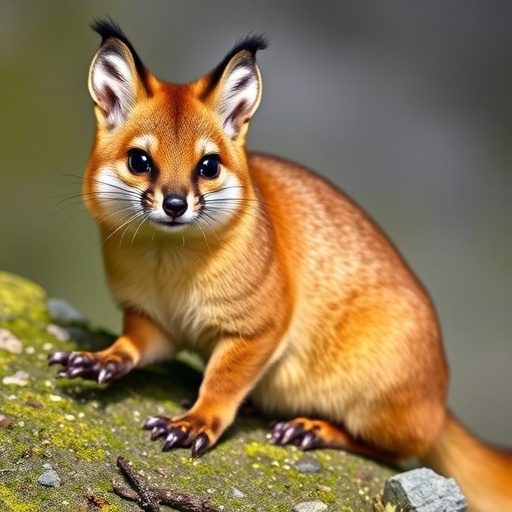
In a groundbreaking study, researchers have unveiled the complete genome assembly of the Helan Shan pika (Ochotona argentata), a small mammal native to the mountainous terrains of northern China. This species is currently classified as endangered due to habitat loss and other anthropogenic pressures. The successful assembly of its genome is not merely an academic exercise; it serves as a critical tool in understanding the genetic diversity and evolutionary biology of this remarkable creature, ultimately aiding conservation efforts aimed at preventing its extinction.
The Helan Shan pika, often underestimated due to its small size, plays a significant role in its ecosystem. This herbivorous mammal is a vital link in the food chain, serving as prey for various predators while also contributing to plant seed dispersal and soil aeration through its foraging activities. Unfortunately, as global warming accelerates and the habitats are disrupted by human activities, many species like the Helan Shan pika face an uncertain future. The genome assembly offers new hope for targeted conservation strategies that can help preserve this unique mammal and the crucial ecosystems it inhabits.
Central to the study, the research team, led by scientists Meng, Fang, and Blair, leveraged cutting-edge sequencing technologies that allowed for the accurate assembly of complex genomes. The team’s work illustrates the power of genomic tools in the age of conservation biology. By providing a comprehensive understanding of the genetic makeup of the Helan Shan pika, researchers can identify genetic vulnerabilities, population structures, and adaptative capabilities of this species in response to environmental changes.
One compelling aspect of this research is the emphasis on gathering not only genetic data but also incorporating ecological information, which enriches the context in which this data can be interpreted. Detailed genetic analysis reveals insights into how the pika adapts to its harsh mountainous environment. Understanding its adaptive traits is essential, especially as climate change introduces new challenges to its survival.
Furthermore, the comprehensive genomic data generated from this study can serve as a framework for future research focused on biodiversity and conservation. Such genomic resources may facilitate the identification of genetic variants associated with traits that enhance survival in changing environments, and could lead to innovative conservation strategies. It sets the stage for long-term monitoring of genetic health in pika populations, which is critical for maintaining not only the species but also the integrity of the ecosystems they inhabit.
The repercussions of this research extend beyond the Helan Shan pika itself; the insights garnered could have significant implications for other species facing similar threats. The methodology utilized in this study can be adapted for conserving different species, especially those in mountainous or isolated habitats. As we confront the ongoing biodiversity crisis, establishing genetic baselines and tracking genetic changes over time will become increasingly vital in conservation planning.
With the understanding that threatened species cannot endure the challenges posed by human activity alone, this study emphasizes the collaborative efforts required for effective conservation. Stakeholders, including wildlife agencies, policymakers, and local communities, must work together to implement strategies that leverage the insights provided by genomic research. As the findings of this study begin to permeate through various sectors, actionable conservation plans based on genetic data can lead to positive outcomes for the Helan Shan pika and its ecological companions.
Equally important is the study’s approach to genetic diversity, which has emerged as a fundamental factor in assessing the viability of species populations. By analyzing the genetic variability within Helan Shan pika populations, researchers can determine the potential for resilience in the face of environmental changes. Genetic diversity acts as a buffer against diseases and environmental stressors, allowing populations to adapt more successfully over time.
Moreover, the research invites us to reflect on the interconnectedness of all species within an ecosystem. Pikas are known to be sensitive indicators of climate change due to their specific habitat requirements and nutritional needs. Thus, preserving their populations not only safeguards the pika but also becomes a mechanism for maintaining broader ecological balance. This study highlights how the conservation of single species can yield holistic benefits, ultimately fostering healthier ecosystems.
As the consequences of habitat fragmentation and invasive species escalate, the need for effective strategies to combat these challenges is pressing. The genomic resources developed from this research provide a robust foundation for these strategies. Incorporating the principles of genetic monitoring can give conservationists a clearer insight into population dynamics, identifying critical thresholds that might indicate population health or distress.
In closing, the assembly of the Helan Shan pika’s genome marks a significant milestone in conservation biology. It underscores the utility of modern genomic technologies in driving forward the mission of preserving biodiversity. The ambitious goals of this research are not simply limited to understanding one species but extend to leveraging this knowledge to influence broader conservation policies. With the ongoing threats to species around the world, the research provides a beacon of hope, reminding us that science and collaboration can forge pathways to a sustainable future where endangered species such as the Helan Shan pika can thrive once again.
The comprehensive examination of the Helan Shan pika through its genomic assembly stands as a strong reminder of the urgent need for collaborative action in the face of biodiversity loss. As we further unravel the complexities of the genomes of endangered species, such endeavors can fuel the fight against extinction, sustaining not just the Helan Shan pika, but myriad other species that share its fragile habitat.
Subject of Research: Helan Shan pika (Ochotona argentata)
Article Title: Genome assembly of Helan Shan pika (Ochotona argentata): a key resource for endangered species conservation.
Article References:
Meng, H., Fang, H., Blair, K. et al. Genome assembly of Helan Shan pika (Ochotona argentata): a key resource for endangered species conservation.
BMC Genomics (2026). https://doi.org/10.1186/s12864-026-12526-z
Image Credits: AI Generated
DOI: 10.1186/s12864-026-12526-z
Keywords: Genomic assembly, Helan Shan pika, Endangered species, Conservation biology, Genetic diversity, Climate change, Ecosystem balance, Biodiversity.