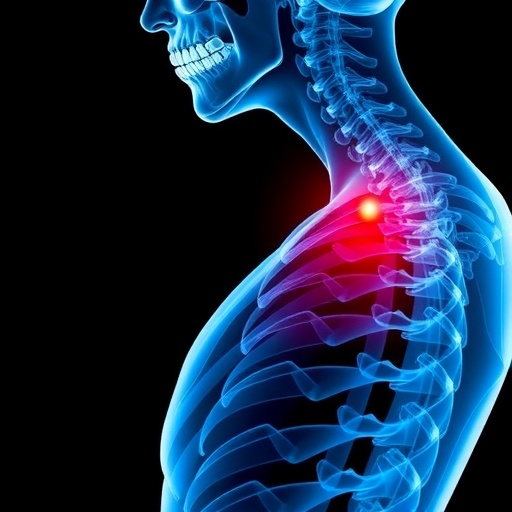
In a groundbreaking study published in the journal “Archives of Osteoporosis,” researchers have uncovered a significant link between sarcopenia and an increased risk of multiple vertebral fractures in patients suffering from osteoporotic vertebral fractures. This research is poised to reshape the clinical approach towards osteoporosis management, particularly as it highlights the critical intersection of muscle health and bone density in aging populations. Osteoporosis, a condition characterized by weak and brittle bones, often leads to debilitating fractures, most commonly affecting the vertebral column. Sarcopenia, the loss of muscle mass and strength with age, may act as a silent yet potent aggravator in patients already vulnerable to osteoporotic events.
During the study, the researchers meticulously analyzed data from a large cohort of patients diagnosed with osteoporotic vertebral fractures, aiming to evaluate the prevalence of sarcopenia among them. Their findings were startling; a significant proportion of these patients exhibited marked muscle deterioration. The implications are profound, suggesting that healthcare professionals should be on high alert regarding the dual threats posed by sarcopenia and osteoporosis. As the aging demographics in many nations continue to evolve, understanding how these two conditions interplay will be critical for preventative and therapeutic strategies.
The methodology employed in the study was comprehensive and robust. The investigators assessed muscle mass using advanced imaging techniques, allowing for a nuanced analysis of sarcopenic features in the patient population. Coupled with bone density assessments, this multidimensional approach provided a clearer picture of how muscle health correlates with the likelihood of sustaining multiple fractures. Previous studies had hinted at this relationship, but the current research provides compelling evidence that can transform future clinical practices.
Statistical analyses revealed that patients with sarcopenia not only had a higher incidence of vertebral fractures but were also at a greater risk of experiencing subsequent fractures. This alarming correlation raises important questions regarding patient monitoring and management. It suggests that simply treating osteoporosis may not be enough; clinicians must also assess and address muscle health to mitigate further fracture risks. By making muscle preservation a focal point in osteoporotic care, healthcare providers could significantly improve patient outcomes.
The researchers postulate several mechanisms through which sarcopenia contributes to increased fracture risk. Reduced muscle mass can lead to diminished mechanical support for bones, subsequently elevating the risk of fractures under stress. Moreover, muscle weakness affects balance and coordination, placing patients at a greater risk of falls—one of the leading causes of fractures in the elderly. Hence, addressing sarcopenia not only reduces the likelihood of fractures but may also enhance the overall quality of life for affected individuals.
As healthcare systems globally grapple with the growing burden of osteoporotic fractures, the implications of these findings could spearhead a shift in how osteoporosis is treated. Multi-disciplinary approaches that address both bone health and muscle preservation are likely to be advocated, promoting a holistic framework for elderly care. This paradigm shift is essential, as frailty and functional decline can have cascading effects on patients’ health status, leading to declines in overall well-being.
In light of these findings, the call to action is clear: physicians must become vigilant in assessing muscle health during routine evaluations of patients with osteoporosis. Regular screenings for sarcopenia could become a standard part of care pathways, empowering clinicians to initiate interventions aimed at improving muscle function. Such strategies could include tailored exercise programs, nutritional enhancements focused on muscle preservation, and possibly pharmacological interventions as they become available.
Furthermore, patient education on the importance of maintaining muscle health cannot be understated. Increasing awareness of the interplay between muscle and bone health can encourage patients to adopt lifestyle changes that promote overall musculoskeletal integrity. Patients, particularly those at risk of sarcopenia, must be better informed about their condition and the potential consequences of neglecting muscle health in the context of osteoporosis.
Consequently, this research represents a pivotal moment in our understanding of osteoporosis and sarcopenia. It underscores the necessity of integrating muscle and bone health assessments in clinical settings. By doing so, we have the opportunity to not only reduce fracture rates among elderly patients but also provide them with a higher quality of life, free from the fear of debilitating injuries that can accompany aging.
In summary, as our population ages, the burden of osteoporosis and sarcopenia continues to loom large. The pioneering work detailed in this study serves as a clarion call for a more integrated approach to managing these interconnected issues. The time has come for the medical community to recognize and act upon the fact that muscle health is a crucial component of osteoporosis management.
Emphasizing the interplay between sarcopenia and osteoporotic fractures marks a turning point in geriatric medicine. As models of care evolve, they must incorporate not just bone density treatments but also strategies to retain muscle mass and function. As such, it is imperative that researchers and clinicians alike continue to collaborate, aiming towards solutions that bridge the gap between these two age-related conditions and promote a more comprehensive model of care aimed at the health and wellness of our aging population.
This innovative research not only provides critical insights but also ignites a pathway for future exploration, opening doors for novel therapeutic interventions to combat the dual threats of osteoporosis and sarcopenia. Such advancements hold promise for improving patient care in an aging world, thereby enhancing the quality of life for countless individuals confronting these debilitating conditions.
With these revelations, the future of osteoporosis management looks increasingly optimistic, provided that the concerns surrounding sarcopenia are adequately addressed. Striving towards a future where both bone and muscle health are prioritized may well lead to a significant reduction in the incidence of fractures, ultimately transforming the standard of care for seniors everywhere.
Subject of Research: Sarcopenia in Patients with Osteoporotic Vertebral Fractures
Article Title: Sarcopenia in Patients with Osteoporotic Vertebral Fractures is associated with higher risk of Multiple Vertebral Fractures
Article References:
Bekele, B.M., Moritz, I., Reißberg, S. et al. Sarcopenia in Patients with Osteoporotic Vertebral Fractures is associated with higher risk of Multiple Vertebral Fractures.
Arch Osteoporos 21, 5 (2026). https://doi.org/10.1007/s11657-025-01633-1
Image Credits: AI Generated
DOI: https://doi.org/10.1007/s11657-025-01633-1
Keywords: Osteoporosis, Sarcopenia, Vertebral fractures, Elderly care, Muscle health, Bone density