In the realm of healthcare, timely medical treatment can be the defining factor between a minor health issue and a life-threatening condition. The case of cholelithiasis, commonly known as gallstones, exemplifies the crucial role that patient responses and perceptions play in healthcare. A recent qualitative study conducted by researchers Jiang, Shi, Liu, and colleagues sheds light on the reasons behind the delays in seeking treatment for this condition. The findings, grounded in the health belief model, unveil the complex interplay between patient understanding, beliefs, and behaviors regarding health.
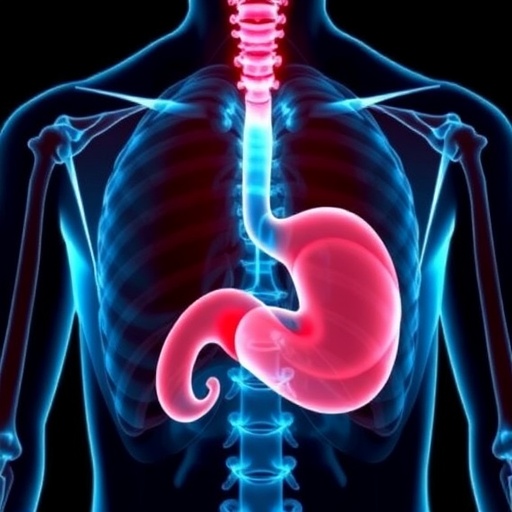
Cholelithiasis presents an interesting case study for healthcare practitioners and researchers. The condition affects millions worldwide, often leading to debilitating symptoms that can severely impact quality of life. Gallstones are typically formed from hardened deposits of digestive fluid that can manifest in severe pain, nausea, and other gastrointestinal symptoms. Despite the availability of effective treatments, many patients postpone seeking medical care, which can result in complications such as acute cholecystitis or pancreatitis. This phenomenon has prompted the necessity for deeper understanding through qualitative methodologies.
Utilizing the health belief model offers a structured lens through which to analyze patient behavior regarding health. This model posits that individual health decisions are influenced by perceptions of susceptibility to a health issue, the severity of that issue, the benefits and barriers associated with taking action, and cues to action. Through in-depth interviews, researchers gained insights into the experiences and thought processes of cholelithiasis patients as they navigated their healthcare journeys.
One key finding of the study revealed that many patients did not recognize their symptoms as serious. A common sentiment expressed was a tendency to dismiss mild symptoms as part of normal digestion. This misplaced perception often leads to procrastination in seeking care. The researchers noted that this misjudgment is particularly prevalent among individuals who have prior experiences with similar symptoms that were self-resolved. Such experiences contribute to an underestimation of the severity of their current condition, demonstrating a fundamental flaw in their health assessment.
The researchers also discovered that knowledge is a significant barrier to timely treatment. Many respondents reported lacking awareness about the potential complications of untreated gallstones. The danger of dismissing discomfort as benign illustrates an urgent need for better education regarding the signs and potential consequences of gallbladder disease. Misunderstandings surrounding gallstones—what they are, how they develop, and the risks associated with neglecting treatment—emerged as major themes in the study.
Cultural perceptions played a critical role in influencing patient attitudes toward medical intervention. In some cases, traditional beliefs about health and healing created reluctance to seek contemporary medical assistance. Some patients believed alternative remedies could alleviate their symptoms, further delaying professional medical evaluation. Such perceptions underscore the importance of culturally competent healthcare delivery and the need to address diverse beliefs within medical education and practice.
The study also noted that financial considerations could inhibit patients from pursuing treatments promptly. For individuals facing economic constraints, the prospect of medical bills can cause significant anxiety, leading them to prioritize other expenses over healthcare. The fear of prohibitive costs can lead to a dangerous cycle where deferment of treatment exacerbates health conditions and increases overall healthcare expenditure in the long run. This dynamic emphasizes the need for policies that alleviate financial barriers for patients in need of urgent care.
Additionally, emotional and psychological factors contributed to the hesitance to seek care. The anticipation of medical procedures, fear of surgery, and potential lifestyle changes post-treatment weighed heavily on the minds of many respondents. These concerns overshadowed the immediate urgency of seeking care for their worsening conditions. Psychological support and counseling may be effective interventions to address these fears, empowering patients to prioritize their health without the burden of anxiety.
Interestingly, the research revealed that patients often sought validation from family members or friends before seeking professional help. The need for reassurance or collective decision-making within familial structures complicates the timely pursuit of medical assistance. In this context, social dynamics can either prompt or hinder decision-making. Understanding these interpersonal relationships can provide invaluable insights into designing effective healthcare outreach programs that encourage prompt medical consultation.
In the context of healthcare accessibility, the study underscored the role of healthcare providers in influencing patient decisions. The manner in which symptoms are addressed during initial visits often sets the tone for follow-up actions. Patients highlighted experiences where healthcare professionals failed to validate their symptoms or concerns adequately, which subsequently impacted their willingness to pursue further medical assistance. This finding points to an essential responsibility for providers: ensuring patients feel heard and understood as they articulate their health concerns.
As the study makes evident, awareness campaigns centered on cholelithiasis need to emphasize the importance of early detection and treatment. Public health initiatives should be designed to educate individuals on recognizing the signs of gallstone issues and convey the risks associated with delayed treatment. Grassroots awareness programs, supported through digital platforms and community outreach, can serve as influential tools in shifting public perceptions toward proactive health-seeking behaviors.
The notion of health literacy emerged as another critical theme within the study. Respondents identified a correlation between their understanding of health information and their treatment-seeking behavior. Patients with higher health literacy were more likely to engage in proactive health management and pursue consultations when facing symptoms. Thus, enhancing health literacy through education and community programming can empower individuals to advocate for their own health effectively.
Ultimately, the study by Jiang et al. highlights a multifaceted problem requiring a systems approach. Addressing the delays in treatment among cholelithiasis patients transcends individual patient education; it encompasses systemic changes within the healthcare system. Collaborative partnerships between healthcare providers, public health professionals, and community organizations can lead to holistic strategies that account for the barriers identified in the research.
In conclusion, the qualitative study of delayed treatment among cholelithiasis patients reveals a complex tapestry of perceptions, beliefs, and external factors that shape health-seeking behaviors. By applying the health belief model to this phenomenon, the researchers provide critical insights that may inform future healthcare strategies aimed at improving timely access to treatment. As we move forward, embracing compassion, understanding, and practical strategies will be key to supporting patients through their challenging health journeys.
Subject of Research: Delayed medical treatment among cholelithiasis patients
Article Title: Reasons for delayed medical treatment among cholelithiasis patients: a qualitative study based on the health belief model
Article References:
Jiang, M., Shi, Y., Liu, J. et al. Reasons for delayed medical treatment among cholelithiasis patients: a qualitative study based on the health belief model.
BMC Health Serv Res (2026). https://doi.org/10.1186/s12913-026-14033-z
Image Credits: AI Generated
DOI: 10.1186/s12913-026-14033-z
Keywords: cholelithiasis, delayed treatment, health belief model, patient perceptions, healthcare access
Tags: barriers to seeking treatment for gallstonescomplications of untreated gallstonesdelays in cholelithiasis treatmenteffective treatments for cholelithiasisgastrointestinal symptoms of gallstoneshealth belief model applicationshealthcare decision-making in cholelithiasisimpact of gallstones on quality of lifepatient perceptions of gallstonespatient understanding of cholelithiasisqualitative research in health behaviorurgency in medical treatment for gallstones