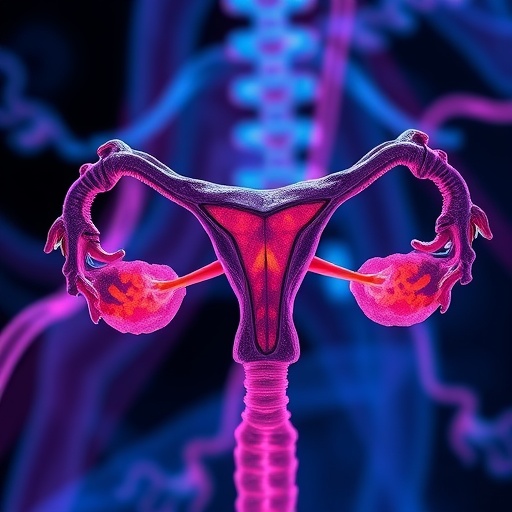
The complex relationship between endoplasmic reticulum (ER) stress and ferroptosis is increasingly becoming a focal point in understanding ovarian diseases. Recent advances in cellular biology have shed light on the mechanistic crossroads where these two crucial cellular processes intersect, potentially unveiling novel therapeutic avenues for conditions such as ovarian cancer and other related disorders. As research in this arena intensifies, we find ourselves on the brink of a new frontier that challenges our traditional understanding of cellular stress responses and their implications in ovarian health.
Endoplasmic reticulum stress is triggered when the cellular machinery responsible for protein folding and modification becomes overwhelmed. This can occur due to various stressors, including oxidative stress, nutrient deprivation, and the accumulation of unfolded proteins. Under normal circumstances, cells possess an intricate network of adaptive responses orchestrated by the unfolded protein response (UPR), which aims to restore homeostasis. However, chronic ER stress can lead to cellular dysfunction and apoptosis, a scenario that is particularly detrimental in the context of ovarian health.
The phenomenon of ferroptosis, on the other hand, is a regulated form of cell death characterized by the accumulation of lipid peroxides to lethal levels. Unlike apoptosis or necrosis, ferroptosis is distinguished by its dependence on iron and its unique metabolic pathways. Recent research has elucidated that the processes leading to ferroptosis can be induced by oxidative stress—a common by-product of severe ER stress. This compelling connection prompts researchers to question whether the two phenomena might synergistically influence each other in the pathogenesis of ovarian diseases.
Epidemiological studies indicate that ovarian diseases, particularly ovarian cancer, are often associated with aberrations in cellular stress responses. As the majority of serous ovarian tumors show elevated markers of ER stress, understanding how ferroptosis is regulated in these contexts could be pivotal to developing innovative treatment strategies. With the emergence of targeted therapies, there is a growing interest in understanding how these cellular death pathways can be manipulated to enhance therapeutic efficacy in ovarian cancer.
Recent findings have confirmed that under certain stress conditions, ER stress can lead to ferroptotic cell death. This interplay is particularly intriguing, as some cancer cells may harness ferroptosis as a mechanism of escape from conventional chemotherapeutic agents. By evading apoptosis, these cells can proliferate despite ongoing insults, presenting a significant therapeutic challenge. Hence, targeting the intersection between ER stress and ferroptosis could open doors to more effective interventions, potentially reverting cancer cells from a resistant state to a more therapeutically vulnerable one.
Additionally, there is a significant body of evidence pointing toward the role of antioxidant defenses in modulating both ER stress and ferroptosis. Cells that effectively manage oxidative stress may possess enhanced survival advantages, while those that fail to balance these processes may succumb to cell death. Researchers are keenly interested in discovering biomarkers associated with these pathways, which could help tailor personalized treatment approaches based on individual oxidative stress response capacities.
Moreover, the therapeutic potential of iron chelators or compounds that induce ferroptosis is being actively investigated in the context of ovarian cancer treatment. Initial studies propose that strategically manipulating the iron metabolism within cancer cells could synergize with traditional therapies, thereby improving patient outcomes. This novel approach represents a paradigm shift in therapy design—one that targets the nuanced balance of cellular stress and survival mechanisms.
Furthermore, groundbreaking advancements in drug delivery systems are anticipated to revolutionize the way we approach the treatment of ovarian diseases. The ability to deliver drugs that modulate ER stress or ferroptosis directly to tumor sites presents the potential for more effective and less toxic therapy regimens. As we venture deeper into the molecular underpinnings of ovarian pathophysiology, innovative solutions to enhance drug efficacy and minimize adverse effects are becoming increasingly viable.
The interplay between ER stress and ferroptosis further emphasizes the need for an integrated approach to research. Bridging gaps between molecular biology, pharmacology, and clinical practice is crucial to translate laboratory discoveries into meaningful interventions. By fostering collaborations among oncologists, biochemists, and clinical researchers, the scientific community can accelerate breakthroughs that improve patient care.
As this field continues to evolve, we must remain vigilant in evaluating the implications of these discoveries. It is not just about understanding cellular processes but rather utilizing this knowledge to enhance therapeutic strategies significantly. The future of ovarian disease treatment lies in our ability to adapt and innovate based on these intricate biological relationships, fostering a more nuanced understanding of the diseases we strive to combat.
In light of these promising developments, ongoing research into the relationship between ER stress and ferroptosis will be essential. As we elucidate the molecular mechanisms at play, pathways for new drug targets will undoubtedly emerge, offering hope for patients faced with ovarian diseases. There is an urgent need to continue this line of investigation, ensuring that patient care evolves in tandem with our growing understanding of these complex cellular interactions.
Ultimately, the convergence of ER stress and ferroptosis may redefine how we perceive cell death in the context of cancer. With every new study, we draw closer to comprehending the complexities of ovarian diseases that have, for too long, evaded successful treatment. It’s an exciting era in ovarian research, where the groundbreaking insights gained could pave the way for innovative therapeutic strategies, fundamentally altering the landscape of ovarian disease management.
In conclusion, the exploration of the intersection between endoplasmic reticulum stress and ferroptosis in ovarian diseases not only has the potential to unlock new therapeutic targets but also redefines our understanding of cellular survival and death mechanisms. As this research progresses, we can anticipate the development of more refined and targeted approaches to treatment, ultimately improving outcomes for patients affected by ovarian diseases. This dynamic journey in scientific inquiry reflects the relentless pursuit of knowledge and innovation that defines modern medicine.
Subject of Research: The interaction between endoplasmic reticulum stress and ferroptosis in ovarian diseases.
Article Title: The interaction between endoplasmic reticulum stress and ferroptosis in ovarian diseases.
Article References:
Xing, M., Li, J., Wu, X. et al. The interaction between endoplasmic reticulum stress and ferroptosis in ovarian diseases. J Ovarian Res (2026). https://doi.org/10.1186/s13048-026-01968-4
Image Credits: AI Generated
DOI: 10.1186/s13048-026-01968-4
Keywords: endoplasmic reticulum stress, ferroptosis, ovarian diseases, ovarian cancer, cellular stress response, therapeutic strategies
Tags: cellular dysfunction in ovarian diseasescellular stress responses in ovarian healthchronic ER stress consequencesendoplasmic reticulum stress and ovarian diseasesferroptosis in ovarian cancerintersection of ER stress and ferroptosislipid peroxidation and ferroptosismechanisms of ferroptosis regulationnovel treatments for ovarian canceroxidative stress and cell deaththerapeutic avenues for ovarian disordersunfolded protein response in ovarian cells