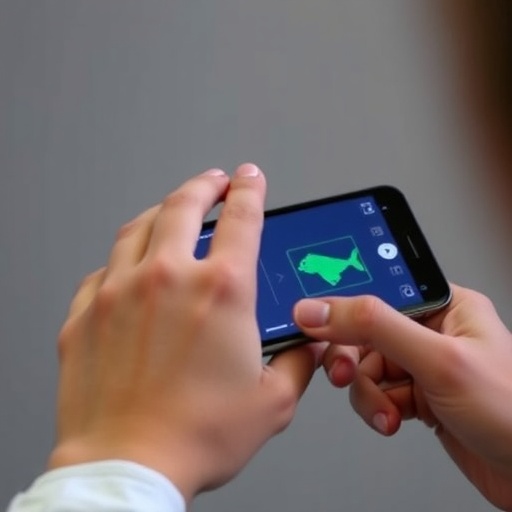
A groundbreaking study recently published in the Annals of Biomedical Engineering explores an innovative smartphone-based method to assess vasomotor function through the analysis of fingertip arteriolar elasticity. Conducted by researchers Yamakoshi, Rolfe, and Yamakoshi, this study utilizes the volume-oscillometric method alongside green light photoplethysmography—a technology that underscores the potential of merging health assessments with everyday mobile devices. The ability to monitor vascular health from the convenience of one’s smartphone could revolutionize how we approach preventive medicine and proactive health management.
The study reveals that arteriolar elasticity, a critical marker of vascular health, can be effectively analyzed using simple smartphone technology. The findings suggest that even minor changes in the elasticity of arterioles can indicate broader systemic health issues, including cardiovascular diseases. This realization opens up new avenues for early detection and intervention methods, possibly mitigating severe health events before they manifest. Digital advancements in health monitoring have often focused on individual metrics; however, this research highlights the interconnectedness of various physiological functions, paving the way for more holistic health assessments.
Green light photoplethysmography is the centerpiece of this innovative technique. By emitting light, the smartphone temporarily increases blood flow to the fingertips. The technology then measures the absorption of light by hemoglobin, revealing changes in blood volume with each heartbeat. This non-invasive method is particularly appealing, as it allows users to monitor their vascular health without the need for complicated equipment or clinical visits. Learning how to effectively use green light technology in everyday devices marks a notable advancement in both biomedical engineering and consumer health technology.
Volume-oscillometric methods enhance the assessment of vasomotor function by analyzing the oscillations in blood volume, which correlate with arterial pressure changes during the cardiac cycle. The synergy between these methods results in a comprehensive understanding of arteriolar behavior in response to various physiological stimuli. This research indicates that patients may benefit from routine monitoring of their vascular elasticity, potentially leading to earlier detection of cardiovascular concerns—a proposition that is particularly appealing for individuals with risk factors or a family history of vascular diseases.
As wearable technology continues to gain traction, the integration of vascular assessments into existing platforms, such as smartphones, represents a significant leap forward in making health monitoring accessible for the average consumer. The study not only presents compelling data but also suggests that individuals can take charge of their health by routinely assessing their arteriolar elasticity from the comfort of their homes. This trend towards self-monitoring is expected to continue, fostering a health-conscious culture that prioritizes preventive measures rather than reactive treatments.
Moreover, the implications of this technology extend beyond just personal health. Hospitals and clinics could leverage this smartphone capability as a tool for community health initiatives, enabling large-scale data collection that can aid in understanding regional or demographic health trends. Accurate monitoring of vascular health at such a scale could provide invaluable insights for public health officials, allowing targeted interventions in populations that display concerning trends regarding cardiovascular diseases.
Vasomotor function assessment via smartphone applications can also cater to personalized medicine approaches. Tailoring individual health programs based on one’s vasomotor profile opens up new possibilities for customized treatment plans. Such an approach allows healthcare providers to focus on specific areas of concern for each patient, making interventions more effective and efficient. With continued advancements in technology, the prospect of integrating real-time health monitoring into clinical practices becomes increasingly feasible.
The growing dependency on smartphones has reshaped various aspects of personal health management, and this study underscores the practical applications of that trend. Promoting vascular health through technology can establish a routine for self-care, encouraging individuals to prioritize their well-being in an increasingly busy world. Furthermore, as health consciousness rises, technological innovation plays a crucial role in engaging the public through user-friendly applications that demystify the complexities of health data interpretation.
In an era where personalized health is key, the ongoing development of smartphone-vitality tools shows great promise. A user-centric approach to health technology not only empowers individuals but also challenges the traditional confines of healthcare delivery. This study serves as a powerful example of how engineering and medical research can unite to address real-world health challenges effectively.
Past studies have predominantly relied on lab-based assessments, creating barriers such as accessibility and cost for many individuals. The innovation put forth in this research may signal a shift in how we view health assessments, embodying a more democratized avenue for individuals to engage with their health data. Such changes could break down existing healthcare divides, leading to advancements in public health awareness and proactive care methodologies.
As the study garners attention, potential collaborations with tech companies and healthcare organizations could further enhance the implementation of these findings. Developing a smartphone application based on this research would provide an immediate platform for individuals to track their vascular health effectively. If successful, this collaboration could spark a multitude of software applications aimed at addressing various health metrics, thereby inspiring a new era of digital health monitoring.
In conclusion, the groundbreaking findings of Yamakoshi and his colleagues not only highlight the innovative merger of technology and healthcare but also provide a blueprint for future developments in wearable health technology. As we move forward, the increasing accessibility of health assessment tools will empower individuals to take control of their health in unprecedented ways. This study marks an exciting development in preventive health monitoring, promising to reshape our understanding of cardiovascular health in the digital age.
With the preliminary findings confirmed, further research is needed to evaluate the device’s effectiveness across diverse populations and clinical contexts. Yet, the promise depicted in this study shines a light on the potential of smartphone-based assessments and their ability to initiate a transformative movement in personal health management.
Subject of Research: Smartphone-based Assessment of Vasomotor Function
Article Title: Smartphone-based Assessment of Vasomotor Function via Fingertip Arteriolar Elasticity Using the Volume-Oscillometric Method with Green Light Photoplethysmography.
Article References: Yamakoshi, T., Rolfe, P. & Yamakoshi, Ki. Smartphone-based Assessment of Vasomotor Function via Fingertip Arteriolar Elasticity Using the Volume-Oscillometric Method with Green Light Photoplethysmography. Ann Biomed Eng (2026). https://doi.org/10.1007/s10439-025-03953-2
Image Credits: AI Generated
DOI: https://doi.org/10.1007/s10439-025-03953-2
Keywords: Vasomotor Function, Smartphone Technology, Arteriolar Elasticity, Green Light Photoplethysmography, Volume-Oscillometric Method, Preventive Medicine, Health Monitoring, Digital Health.
Tags: arteriolar elasticity measurementcardiovascular disease early detectiondigital health advancementsfingertip arteriolar elasticitygreen light photoplethysmographyholistic health assessmentspreventive medicine innovationssmartphone health monitoringsmartphone technology in healthcarevascular health monitoringvasomotor function assessmentvolume-oscillometric method