In an unprecedented exploration into the intricate interplay between gut microbiota and eating disorders, a groundbreaking pilot trial has emerged, shedding new light on the potential therapeutic effects of fecal microbiome transplantation (FMT) in adult women diagnosed with anorexia nervosa (AN). This open-label feasibility study, conducted by Panah et al., delves into the ramifications of a single FMT procedure, propelling forward our understanding of the gut-brain axis and its profound influence on psychiatric and metabolic health.
Anorexia nervosa, notoriously challenging to treat and marked by self-imposed starvation and distorted body image, has long eluded effective biomedical interventions that can decisively alter its course. The recent endeavor by Panah and colleagues addresses this critical gap by targeting the gut microbiome—a complex, dynamic ecosystem of microorganisms that has gained significant attention for its role in mental health and behavior regulation. The study hypothesizes that by restoring a healthier microbial milieu through FMT, notable improvements in the physiological and psychological symptoms of AN may be achievable.
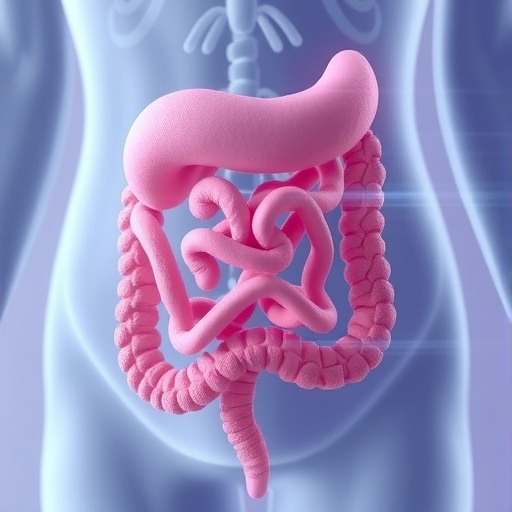
FMT, a procedure that involves transplanting fecal material from a healthy donor into the gastrointestinal tract of a patient, has traditionally been applied successfully in treating recurrent Clostridioides difficile infections. However, its application in psychiatry and metabolic disorders signals a pioneering extension into unconventional therapeutic territories. The trial executed by Panah et al. stands as one of the first to test this intervention in the context of an eating disorder, specifically focusing on adult female patients with established anorexia nervosa.
The methodology of this open-label feasibility study is meticulously designed to evaluate safety, tolerability, and preliminary efficacy. Participants underwent a single FMT procedure, with donor material carefully screened to ensure optimal microbial diversity and absence of pathogens. Longitudinal follow-up analyses were conducted encompassing clinical assessments, psychological evaluations, and state-of-the-art microbiome sequencing techniques. This comprehensive approach enabled the team to trace shifts in microbial composition alongside clinical trajectories.
Initial findings from this trial underscore a nuanced but significant modulation of the gut microbiota post-FMT. Detailed metagenomic sequencing revealed increases in beneficial bacteria known to produce short-chain fatty acids (SCFAs), molecules critical for maintaining gut barrier integrity and modulating systemic inflammation—a pathway increasingly implicated in the neurobiology of anorexia nervosa. These microbial changes coincided with modest improvements in markers of nutritional status and reported mood enhancements, suggesting a potentially causal link.
Notably, the study highlights the resilience of the gut microbiome and the complexity of AN pathology. While the single transplantation induced detectable shifts, the microbial ecosystems tended to revert partially toward their original state over time, indicating the necessity for possibly repeated interventions or adjunct therapies to sustain beneficial effects. Additionally, participants tolerated the procedure well, with no serious adverse events documented, underscoring the procedure’s feasibility in this sensitive patient population.
Mechanistically, the authors speculate that restoration of microbial diversity and metabolite production may mitigate the persistent systemic inflammation and hypothalamic-pituitary-adrenal (HPA) axis dysregulation often observed in anorexia nervosa. These neuro-immunological perturbations can exacerbate psychiatric symptoms and metabolic imbalances, forming a vicious cycle that perpetuates disease chronicity. By interrupting this cycle at the level of the gut, FMT could serve as a novel adjunctive intervention, complementing conventional psychological and nutritional therapies.
Beyond its immediate clinical implications, this research contributes profoundly to the expanding field of psychobiotics—the study of how live microorganisms affect mental health. The data hint at the broader potential for modulating gut flora to influence neuropsychiatric disorders, catalyzing future research avenues that might extend into depression, anxiety, and beyond. It also accentuates the pivotal need for personalized microbiome therapeutics, given the heterogeneous nature of gut ecosystems across individuals.
However, the authors acknowledge the limitations imposed by the small sample size and open-label design, which precludes blinding and may introduce placebo effects. They advocate for subsequent randomized controlled trials with larger cohorts and multi-dose FMT regimens to rigorously evaluate efficacy and durability. Additionally, a deeper exploration into donor selection criteria and microbial strain-specific impacts is essential to refine therapeutic protocols.
The psychological dimensions of anorexia nervosa, such as compulsive behaviors and body image disturbances, were not fully addressed by this intervention, reminding clinicians of the multifaceted nature of this disorder. Multimodal treatment strategies integrating microbiome modulation with psychotherapy, nutritional rehabilitation, and pharmacotherapy remain crucial to achieving sustained remission.
Emerging from this pioneering investigation is a compelling narrative: the gut microbiome is not merely a passive component but an active participant in the pathogenesis and potential resolution of anorexia nervosa. These findings reinforce the view that metabolic and psychiatric illnesses are inextricably intertwined at a biological level, inviting a paradigm shift towards integrative, systems-based approaches to brain health.
In synthesis, the study by Panah, Støving, Sjögren et al. offers a beacon of hope for patients and researchers grappling with anorexia nervosa. By demonstrating the feasibility and preliminary promise of fecal microbiome transplantation, it sets the stage for transformative advances in psychiatric care. The convergence of microbiology, neuroscience, and clinical medicine in this research exemplifies the frontier of biomedical innovation.
Future directions inspired by this work include dissecting the molecular signaling pathways through which gut microbes influence neuroendocrine function and behavior. Moreover, the development of synthetic microbial consortia or next-generation probiotics tailored to combat specific dysbioses observed in anorexia nervosa could revolutionize treatment modalities.
Ultimately, this landmark study propels the scientific community towards embracing the microbiome as a critical target within personalized psychiatric medicine. It challenges entrenched notions about the isolation of mental health disorders from physiological systems and ushers in new optimism for harnessing the trillions of microorganisms within us as allies in mental wellness.
Subject of Research: Impact of fecal microbiome transplantation on adult women with anorexia nervosa
Article Title: Impact of a single fecal microbiome transplantation in adult women with anorexia nervosa: an open-label feasibility pilot trial
Article References:
Panah, F.M., Støving, R.K., Sjögren, M. et al. Impact of a single fecal microbiome transplantation in adult women with anorexia nervosa: an open-label feasibility pilot trial.
Nat Commun (2026). https://doi.org/10.1038/s41467-026-68455-8
Image Credits: AI Generated
Tags: anorexia nervosa treatmentfecal microbiome transplantationfecal transplants in psychiatrygut microbiota and mental healthgut-brain axis researchinnovative treatments for anorexiametabolic health and anorexiamicrobiome and eating disorderspilot trial on anorexiapsychiatric implications of gut healthrestoring gut microbiome for mental healththerapeutic effects of FMT