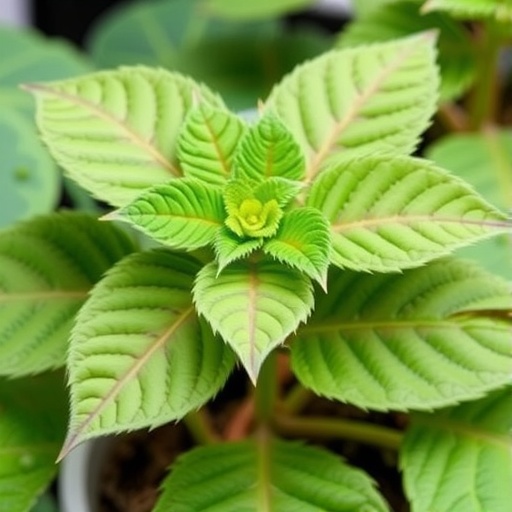
In a groundbreaking study published in BMC Complementary Medicine and Therapies, researchers led by Dessie et al. delve into the realm of medicinal plants, focusing on the phytochemical composition, antioxidant capabilities, and antibacterial activities of the leaf extracts from the intriguing plant species, Dorstenia barnimiana. This herbal plant, indigenous to specific ecological niches, has long been recognized in traditional medicine, yet scientific exploration into its biochemical properties has only recently gained momentum.
The rich biodiversity encapsulated within the Dorstenia genus, particularly in D. barnimiana, invites researchers to explore its potential therapeutic applications. Traditionally utilized in various cultures for its herbal benefits, this plant’s leaves are now under scrutiny to unveil their hidden biochemical treasures. The significance of exploring such plants lies not only in their ethno-botanical background but also in their potential contributions to modern medicine amidst rising antibiotic resistance and the quest for novel antioxidants.
In the recent analysis, the researchers meticulously examined the phytochemical profile of D. barnimiana leaves, unveiling a treasure trove of bioactive compounds. Utilizing advanced extraction methods, they efficiently isolated key compounds, including flavonoids, phenolic acids, and terpenoids. Each of these bioactive compounds plays a critical role in offering various health benefits, including anti-inflammatory, antibacterial, and antioxidant activities, which are instrumental in combating oxidative stress and microbial infections.
The in vitro assays conducted as part of this research elucidated the antioxidant capacity of the leaf extracts. The use of contemporary analytical techniques such as DPPH (2,2-diphenyl-1-picrylhydrazyl) and FRAP (Ferric Reducing Antioxidant Power) provided robust evidence supporting the extracts’ ability to scavenge free radicals effectively. This property is paramount, as oxidative stress is a leading contributor to numerous chronic diseases, including cancer, cardiovascular disorders, and neurodegenerative conditions.
Antibacterial activity was another focal point of the study, as the research team assessed the efficacy of D. barnimiana leaf extracts against a panel of pathogenic bacteria. Utilizing the agar well diffusion method, they determined the minimum inhibitory concentration (MIC) of the extracts, showcasing their potential as a natural alternative to conventional antibiotics. The findings not only highlight the plant’s capacity to inhibit bacterial growth but also serve as a beacon of hope in the ongoing battle against drug-resistant pathogens.
Scholars and practitioners in the field of complementary and alternative medicine may find the implications of this research profound. The integration of such natural substances into health regimes might alleviate some concerns surrounding the overreliance on synthetic antibiotics. Furthermore, these findings echo a broader movement within health disciplines advocating for the revitalization of traditional medicinal practices through empirical validation.
It is imperative to contextualize these results within the larger frameworks of sustainable medicine and conservation. Preserving plant biodiversity is essential, especially as climate change poses significant threats to ecological systems worldwide. The examination of D. barnimiana is not just an exploration of a single species; it is also a clarion call to protect and sustainably manage our natural resources, enabling future generations to benefit from the vast pharmacological potential of these organisms.
Moreover, the study incites curiosity regarding the potential synergistic effects that might arise from combining extracts from various plants. The realm of phytotherapy often emphasizes the holistic benefits of utilizing a spectrum of bioactive compounds found in herbal preparations. By identifying compounds within D. barnimiana and exploring their interactions with other herbal extracts, researchers can formulate more effective therapies for various health conditions.
The implications of the research extend to the agricultural and pharmaceutical industries as well. Cultivating Dorstenia barnimiana and similar species could stimulate economic opportunities for communities engaged in the harvest and sale of medicinal plants. Furthermore, establishing bioprospecting initiatives may foster collaborations between scientists and local communities, driving innovations in drug development while ensuring ethical practices and benefits to indigenous knowledge systems.
In conclusion, this research illuminates the multifaceted advantages of Dorstenia barnimiana, providing a compelling case for further investigation into the potential health benefits of this remarkable plant. As the study underscores, the future of medicine may increasingly rely on the synergistic effects of nature’s bounty, marrying traditional wisdom with modern scientific rigor. Such explorations not only enhance our understanding of plant-derived compounds but also pave new pathways for sustainable health solutions in the face of an ever-evolving array of health challenges.
In the continuous pursuit of knowledge at the intersection of herbal science and modern medicine, studies like this epitomize the excitement surrounding natural products research. The meticulous investigation into the antioxidant and antibacterial properties of Dorstenia barnimiana’s leaf extracts undoubtedly inspires future research endeavors while fostering respect for traditional therapeutic practices. With each discovery, we reaffirm the symbiotic relationship between humanity and nature, striving to unveil the potential that lies dormant in the plants around us.
As we forge ahead into an era where understanding our natural environment is crucial, the findings presented by Dessie and colleagues serve as a reminder of the untapped potential our ecosystems hold. Encouraging sustainable practices and respecting traditional knowledge can yield not only health benefits but also contribute to the broader goal of conserving our planet’s biodiversity for generations to come.
In sum, the exploration of Dorstenia barnimiana is a vital chapter in the larger narrative of medicinal research, merging ancient wisdom with contemporary science to illuminate pathways for future discoveries. As ongoing studies broaden our horizons regarding the phytochemistry of this plant, the potential for innovation remains boundless.
Subject of Research: The phytochemical composition, antioxidant and antibacterial activities of Dorstenia barnimiana leaf extracts.
Article Title: Phytochemical composition, in vitro antioxidant and antibacterial activities of Dorstenia barnimiana Schweinf leaf extracts.
Article References:
Dessie, Y., Abiyu, E., Wondie, M.A. et al. Phytochemical composition, in vitro antioxidant and antibacterial activities of Dorstenia barnimiana Schweinf leaf extracts.
BMC Complement Med Ther (2026). https://doi.org/10.1186/s12906-026-05250-4
Image Credits: AI Generated
DOI: 10.1186/s12906-026-05250-4
Keywords: Dorstenia barnimiana, phytochemicals, antioxidant, antibacterial, natural medicine, drug resistance, herbal extracts, traditional medicine.
Tags: antibacterial activity of herbal extractsantioxidant properties of plantsbioactive compounds in traditional medicineDorstenia barnimianaecological niches of medicinal plantsflavonoids and health benefitsmedicinal plants researchmodern applications of ethno-botanyphenolic acids in herbal remediesphytochemical composition of plantsrising antibiotic resistance solutionsterpenoids and medicinal uses