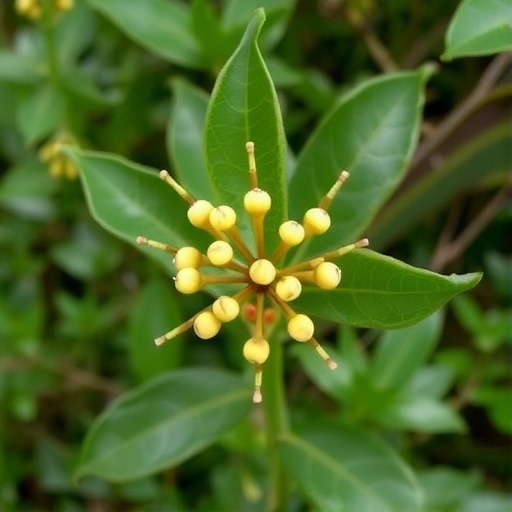
In a significant botanical discovery, researchers have identified a new record of Goniocheton arborescens Blume, a member of the Meliaceae family, on the Indian mainland. This finding expands the known range of the species, previously thought to be confined to specific regions, thus highlighting the rich biodiversity present in India. The discovery was made by botanists K. Jeyaprakash and K. Ravikumar, who have meticulously documented the characteristics and habitat of this unique species.
Goniocheton arborescens, characterized by its towering presence and distinct foliage, plays an essential ecological role in its native habitat. Its adaptation to specific environmental conditions has been a point of interest for botanists and ecologists alike. The species exhibits unique traits that not only contribute to its survival but also indicate the ecological dynamics of the regions it inhabits. Understanding these traits is crucial for conservation efforts aimed at preserving biodiversity.
The researchers conducted field studies in various ecological zones across India to locate this species. Their extensive fieldwork included rigorous data collection on the plant’s morphology, reproductive systems, and habitat preferences. By comparing local flora, they were able to pinpoint the distinguishing characteristics that set Goniocheton arborescens apart from closely related species within the Meliaceae family.
This discovery is significant not only for the botanical community but also for conservationists. Recognizing the presence of Goniocheton arborescens on the Indian mainland signals a need for further research into its ecological interactions and conservation status. Habitat loss and climate change are pressing challenges that many species face, and documenting new records is a vital part of understanding the impacts of these factors on biodiversity.
The study presents a detailed examination of the morphology of Goniocheton arborescens, highlighting its impressive stature as a tree that can reach considerable heights. The leaves are characterized by their glossy appearance, which serves both aesthetic and ecological functions. Investigating the leaf morphology and arrangement aids in understanding the adaptations that allow this species to thrive in various climates across the Indian landscape.
In addition to their morphological studies, the researchers explored the reproductive biology of Goniocheton arborescens. Their findings indicated unique flowering patterns, which contribute to the plant’s reproductive success and persistence in its native habitat. The intricate relationship between pollinators and the flowering biology of this species offers further avenues for research.
Moreover, the study indicated that Goniocheton arborescens serves as a food source for various wildlife species, thereby playing a vital role in the local food web. Understanding these ecological connections helps to clarify the plant’s significance within its ecosystem, as well as the potential consequences of its removal or decline.
As the research unfolds, it becomes increasingly clear that documenting species such as Goniocheton arborescens is crucial for environmental management and conservation strategies. By integrating botanical research with conservation efforts, scientists can propose actionable strategies that safeguard not only the species in question but the wider ecosystem as well.
The findings from this study have implications for policymakers and conservationists seeking to address the challenges posed by habitat destruction and climate change. The inclusion of Goniocheton arborescens within conservation frameworks could enhance biodiversity preservation and ecological resilience in vulnerable regions of India.
Continued research on Goniocheton arborescens will undoubtedly shed more light on its ecological functions and the potential applications in agriculture and medicine. Plants in the Meliaceae family are well known for their use in traditional medicine, and understanding the medicinal properties of this newly discovered species could lead to significant advancements in pharmaceutical research.
The opportunity to study Goniocheton arborescens in its natural habitat opens up collaboration between botanists, ecologists, and conservationists. This interdisciplinary approach can facilitate a deeper understanding of the interconnectedness of species and their environments while promoting sustainable practices within the region.
As we move forward, the ongoing conservation of Goniocheton arborescens will serve as a testament to the importance of biodiversity in maintaining healthy ecosystems. The significance of this discovery cannot be overstated, as it embodies the ever-present need to explore, understand, and protect the myriad forms of life that inhabit our planet.
This research stands as an important reminder of the rich botanical heritage of India and the urgent need for its protection. The collaboration between scientists, local communities, and conservationists will be key in ensuring that such unique species continue to thrive for generations to come.
In summary, the documentation of Goniocheton arborescens on the Indian mainland is not merely an academic endeavor; it is a vital step towards ensuring a sustainable future. By bringing attention to the importance of biodiversity and the role of species such as Goniocheton arborescens, we can all play a part in fostering a world that celebrates and protects its natural heritage.
Subject of Research: Goniocheton arborescens Blume, Meliaceae
Article Title: Goniocheton arborescens Blume Meliaceae a new record for Indian mainland.
Article References:
Jeyaprakash, K., Ravikumar, K. Goniocheton arborescens Blume Meliaceae a new record for Indian mainland.
Discov. Plants 3, 8 (2026). https://doi.org/10.1007/s44372-026-00468-5
Image Credits: AI Generated
DOI: https://doi.org/10.1007/s44372-026-00468-5
Keywords: Goniocheton arborescens, Meliaceae, biodiversity, conservation, Indian mainland, ecological significance, morphology, reproductive biology.
Tags: biodiversity in Indiabotanical research in Indiaconservation of plant speciesecological dynamics of Indian ecosystemsecological role of Goniochetonfield studies on Indian floraGoniocheton arborescens discoveryhabitat preferences of GoniochetonK. Jeyaprakash and K. Ravikumar research.Meliaceae family plantsnew species in Indian floraunique traits of Goniocheton arborescens