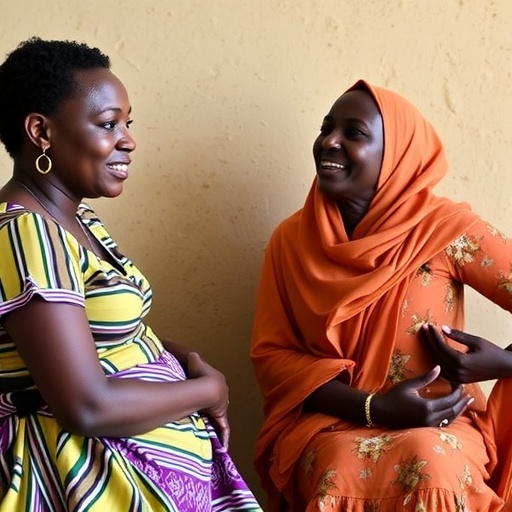
In the evolving landscape of healthcare, particularly maternal and child health, the significance of midwifery cannot be overstated. In Kenya, the pivotal role that midwives play in ensuring positive health outcomes for parturient women and their infants is more critical than ever. A recent study has shed light on the competence and confidence levels of midwives in this East African nation, providing both quantitative and qualitative insights into the challenges and opportunities they encounter in their practice. This sequential explanatory study design reveals crucial factors that contribute to the effectiveness of midwifery services in Kenya.
Midwives in Kenya are often the frontline health workers in maternal health settings, addressing the needs of women during pregnancy, childbirth, and the postpartum period. The study conducted by Edna, Doreen, and Bob focuses on the multifaceted aspects of midwives’ competence and confidence in delivering care. By exploring these dimensions, the research seeks to identify gaps and inform future training programs tailored to enhance the skills and self-assurance of midwives, which ultimately affects maternal and infant health outcomes.
The methodology employed in this study is noteworthy. Utilizing a sequential explanatory design allows researchers to gather and analyze both qualitative and quantitative data. Initially, a quantitative survey was administered to midwives to assess their self-reported competence and confidence levels. This approach laid the foundation for a more in-depth qualitative exploration, where follow-up interviews provided rich narratives and personal experiences from midwives in the field. Such a dual approach enriches the data pool, ensuring a comprehensive understanding of the subject matter.
A critical finding from the survey revealed that a significant proportion of midwives felt inadequately prepared to handle complex obstetric emergencies. This highlights a crucial gap in training and education that needs urgent addressing. The fear of inadequate knowledge in handling such emergencies leads to a lack of confidence, which can directly impact the quality of care and decision-making during critical situations. The implications of this gap are stark; improved training and continuous professional development are imperative in transforming midwives’ preparedness to manage crises effectively.
Furthermore, the qualitative phase of the study provided insights into the personal challenges experienced by midwives. Many reported feeling undervalued within the healthcare system, often indicating that administrative and societal pressures could hinder their ability to provide optimal care. The narratives captured during interviews illustrated that beyond technical skills, midwives also require emotional support and recognition from both the healthcare system and the communities they serve. Building a supportive environment is essential to foster confidence among midwives, enabling them to perform at their best.
Interestingly, the study also highlighted the relationship between midwives’ educational background and their perceived competence. Those who had undergone more comprehensive training were significantly more likely to express confidence in their abilities. This correlation underlines the importance of targeted educational initiatives and the role they play in shaping skilled healthcare providers. Continuous education, mentorship, and opportunities for advanced training could serve as key components in enhancing the capability and assurance of midwives across the nation.
The issue of resource availability was another significant barrier identified. Many midwives expressed that inadequate access to essential medical supplies and equipment severely limited their ability to perform effectively. This lack of resources not only constrains their practice but also creates further anxiety about meeting the needs of patients. Addressing this matter will require systemic changes within healthcare governance, ensuring that midwives are equipped with the necessary tools to deliver quality healthcare services.
Moreover, the study calls attention to the importance of cultural and community dynamics surrounding midwifery in Kenya. Community perceptions of midwives play a critical role in determining their authority and influence within maternal healthcare. Therefore, fostering community engagement and awareness about the role and capabilities of midwives can empower these professionals and transform societal attitudes. The narratives highlighted how midwives who were well-integrated into their communities experienced greater trust and respect, which subsequently enhanced their confidence.
As the global conversation around maternal health continues to evolve, the insights provided by this research serve as a guide for policymakers and stakeholders in the health sector. There is an urgent need for a multifaceted approach that considers not only the technical competencies of midwives but also the broader social, economic, and psychological factors influencing their practice. Health policy initiatives should prioritize comprehensive support structures, training programs, and resource allocation that not only improve midwives’ skills but also foster their confidence in delivering care.
In conclusion, the competence and confidence of midwives in Kenya are paramount to achieving better health outcomes for mothers and newborns. The findings from this study underscore the need for concerted efforts to enhance the educational framework, provide adequate resources, and build supportive networks within the healthcare system. By addressing these critical areas, we can empower midwives and help them thrive in their roles, ultimately leading to improved healthcare delivery and outcomes for the populations they serve.
In summary, the sequential explanatory study on midwives’ competence and confidence in Kenya offers a comprehensive overview of the challenges faced by these vital healthcare providers. By leveraging the data gathered, stakeholders have the opportunity to initiate meaningful change that will not only benefit midwives but also the families and communities that depend on their expertise. As we move forward, prioritizing these insights will be crucial in shaping the future of maternal health in Kenya, reinforcing midwives as key drivers of progress in healthcare.
Subject of Research: Midwives’ competence and confidence in Kenya
Article Title: Midwives’ competence and confidence in Kenya: a sequential explanatory study design
Article References:
Edna, T., Doreen, K. & Bob, M. Midwives’ competence and confidence in Kenya: a sequential explanatory study design.
BMC Health Serv Res (2026). https://doi.org/10.1186/s12913-025-13576-x
Image Credits: AI Generated
DOI: 10.1186/s12913-025-13576-x
Keywords: Midwives, competence, confidence, Kenya, maternal health, healthcare delivery, training, education, community engagement.
Tags: challenges faced by Kenyan midwivesfrontline health workers in maternal carehealthcare training in developing countriesimproving midwifery practice effectivenessmaternal and child health in Kenyamaternal health outcomes in East Africamidwifery competence assessmentmidwifery skills enhancement in Kenyamidwives’ confidence in healthcarequalitative and quantitative research in midwiferyrole of midwives in childbirthtraining programs for midwives