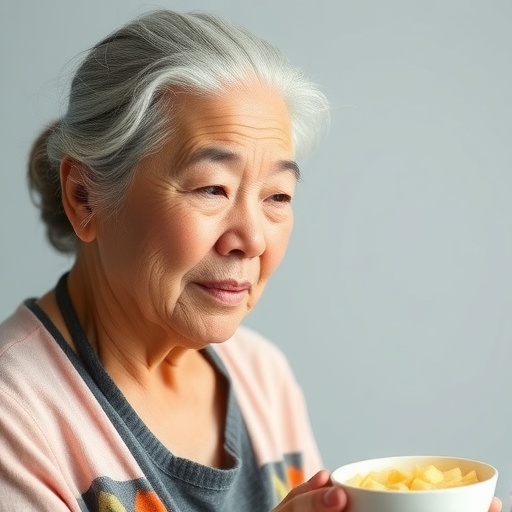
A recently published study has illuminated the intricate connections between diet and physical health, particularly focusing on protein intake among Japanese older women. Detailed in a cross-sectional study by Nakayama et al., findings reveal a significant correlation between the frequency of protein-rich food intake and various indicators of physical vitality, including muscle mass, strength, and performance. This research has profound implications, not only for the demographic studied but also for broader public health strategies aimed at enhancing the quality of life in aging populations globally.
As people age, physiological changes eventually lead to a natural decline in muscle mass and function, a condition often referred to as sarcopenia. This age-associated muscle loss can influence physical performance dramatically, impeding everyday activities and decreasing overall life quality. In this context, a well-balanced diet rich in protein emerges as a vital component in mitigating these effects. The study conducted by Nakayama and colleagues serves as a wake-up call, emphasizing the need for increased awareness and proper dietary practices among older adults.
The methodology of the study involved a comprehensive cross-sectional analysis that collected dietary data from a significant number of older women in Japan. Participants provided detailed information on their protein intake frequency, which was quantified and scored to assess consumption patterns. By evaluating their muscle mass and strength through various tests, researchers were able to establish correlations between dietary habits and physical performance metrics. These measures were crucial, as they offered a multifaceted view of how nutrition impacts physical health in aging women.
Researchers found that higher frequencies of protein-rich food consumption were linked to better muscle mass and strength outcomes. This observation was particularly noteworthy among older women, a demographic often more vulnerable to muscle deterioration due to biological and hormonal shifts. The role of dietary protein is multifaceted; it supports muscle protein synthesis, repair, and overall muscle health—factors that become increasingly important with age. The recommendations put forth by the study underscore the potential benefits of elevating protein intake in older women, particularly those at risk for muscle loss.
What sets this study apart is its cultural context, as dietary norms often vary significantly across different countries. In Japan, traditional diets rich in fish, soy products, and dairy provide substantial sources of protein. This research highlights the importance of culturally relevant dietary guidance tailored to demographic needs. The findings indicate that localized dietary strategies could be beneficial for the aging population, empowering them to incorporate more protein with minimal disruption to preferred culinary habits.
Interestingly, the implications of this research extend beyond just dietary recommendations. It opens the door to broader discussions about the role of nutrition in long-term health and the integral part it plays during the aging process. Creating supportive environments that promote healthy eating habits can lead to enhanced physical capabilities in older adults, ultimately fostering independence and reducing healthcare costs.
Moreover, the study raises pertinent questions about the mechanisms underlying the observed associations. What specific types of protein sources yield the best outcomes in muscle function? How often should older women consume these proteins to achieve optimal results? These questions drive a compelling narrative for future research, encouraging scientists to explore the nuances of dietary protein’s effects on aging populations.
Another critical insight from Nakayama et al.’s study lies in the timing of protein intake. Understanding whether distributing protein consumption throughout the day yields better results compared to one or two larger meals is essential. Such knowledge could lead to more effective dietary interventions, ensuring that older adults can maximize the benefits of their nutrition, regardless of their specific lifestyle or eating patterns.
In light of the findings, health professionals are urged to advocate for stronger nutritional education targeting older populations. Simple adjustments in dietary habits, such as incorporating more legumes, dairy, and lean meats, can fortify muscle health and overall wellness. Engaging community initiatives to promote these dietary changes could ensure that more women are informed about the importance of their nutritional choices.
To further this cause, policymakers can also play a vital role in shaping nutritional guidelines that specifically address the needs of older adults. Funding for programs aimed at increasing access to protein-rich foods and providing nutritional education can significantly contribute to enhancing public health. Prioritizing the nutrition of elderly populations may lead to broader social benefits, including decreased rates of frailty and improved mental health outcomes.
As the world continues to grapple with an aging population, researchers are called to dive deeper into the complexities of nutrition, intervention strategies, and their potential to affect change. The findings of Nakayama and colleagues provide a solid foundation for this ongoing exploration. They encourage further investigations into not just what older adults eat, but how and when they consume their food, to develop a holistic understanding of nutrition in aging.
In conclusion, the study highlights the significance of dietary protein in preserving muscle mass and enhancing overall physical performance in older women. It serves as a critical reminder that nutrition plays a vital role in the aging process, potentially influencing quality of life and independence. As society strives to promote better health among its older members, taking proactive steps in dietary education and access to nutritious food is essential. Engaging communities in this dialogue through informed practices and policies will ultimately pave the way for healthier aging.
As researchers turn their attention to the broader implications of diet on aging, findings such as these will serve as pivotal stepping stones in decision-making processes within healthcare systems globally. By harnessing the power of nutrition, we can take meaningful strides towards fostering resilience and vitality in our aging populations.
Subject of Research: The relationship between protein-rich food intake and muscle mass and strength in Japanese older women.
Article Title: Protein-rich food intake frequency score and muscle mass, strength, muscle-specific strength or physical performance in Japanese older women: a cross-sectional study.
Article References:
Nakayama, Y., Yokoyama, K., Moriyasu, A. et al. Protein-rich food intake frequency score and muscle mass, strength, muscle-specific strength or physical performance in Japanese older women: a cross-sectional study.
BMC Geriatr (2026). https://doi.org/10.1186/s12877-025-06932-3
Image Credits: AI Generated
DOI: 10.1186/s12877-025-06932-3
Keywords: protein intake, muscle mass, strength, older women, cross-sectional study, dietary habits, aging, Japanese population.
Tags: aging and nutrition researchcross-sectional study on protein intakedietary practices for muscle maintenancedietary protein and physical vitalityenhancing quality of life in older adultsimplications of protein-rich dietsimportance of protein for seniorsmuscle mass and strength in elderlyolder Japanese women nutritionprotein intake and muscle healthpublic health strategies for agingsarcopenia in aging populations