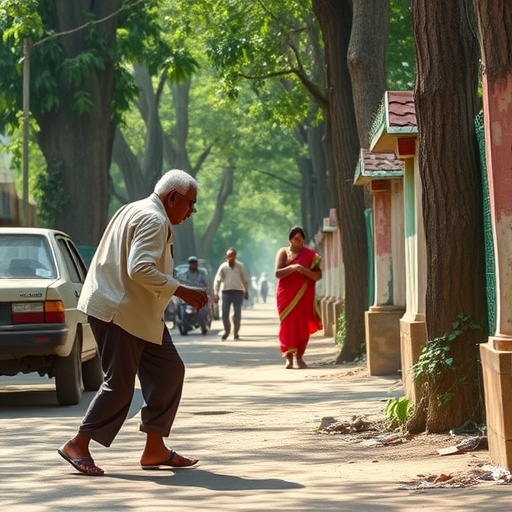
In a groundbreaking study shedding light on the intricate dynamics of fall risk among older adults in India, researchers have provided a comprehensive analysis based on the Longitudinal Ageing Study in India (LASI). The study, led by Biswal, Kiruthika, and George, emphasizes the alarming prevalence of falls among the elderly, a significant public health concern that is often underestimated or neglected in many parts of the world. As populations age rapidly in developing countries, understanding and mitigating the risk factors associated with falls becomes increasingly imperative for societal stability and individual quality of life.
The researchers delved into a plethora of multidimensional risk factors, exploring both intrinsic and extrinsic elements that contribute to falls among older adults. The analysis encompasses a variety of variables such as physical health conditions, environmental factors, and psychosocial aspects, thereby painting a holistic picture of fall risk. Previous studies have focused narrowly on specific areas, but this comprehensive approach allows for a more nuanced understanding of how different factors interplay to affect fall incidence.
In gathering data for their research, the team utilized extensive longitudinal data from LASI, a robust source of information on the health and social well-being of older adults in India. The data set includes health assessments, lifestyle choices, and contextual variables, allowing researchers to draw connections between various risk factors and the likelihood of experiencing falls. The team’s findings underscore the importance of data in developing targeted interventions aimed at preventing falls among this vulnerable demographic.
The study highlights that underlying health issues such as muscle weakness, poor balance, and chronic conditions significantly elevate the risk of falls. It points out that frailty is not merely a consequence of aging but a complex interplay of physiological and environmental factors. The implications of these findings are profound, suggesting that tailored health interventions should focus on enhancing physical capabilities among older adults, thereby mitigating the chances of falls.
Moreover, environmental risks such as inadequate lighting, uneven surfaces, and lack of handrails are also crucial contributors to fall incidents. The authors argue that communities must be designed to support the aging population through improved infrastructure and safety features. This transition toward creating more age-friendly environments can significantly decrease the prevalence of falls, thereby enhancing overall safety and well-being for seniors.
The psychological aspects of fall risk are also profoundly significant. The research indicates that fear of falling can lead to reduced activity levels, creating a detrimental cycle that exacerbates physical frailty. Addressing the mental health component is essential, as it can empower older adults to engage in preventative behaviors and maintain an active lifestyle, which is crucial for preserving their health and autonomy.
Healthcare systems play a pivotal role in addressing fall risks as well. Routine assessments for fall risk should be integrated into healthcare practices, allowing for early identification and intervention. The study advocates a collaborative approach wherein healthcare providers, caregivers, and policymakers work together to implement effective strategies for fall prevention.
Furthermore, it becomes crucial to raise awareness within communities about the importance of fall prevention. Public health campaigns aimed at educating older adults, their families, and healthcare providers can significantly reduce fall risk by disseminating information on safety practices and physical activity programs designed for seniors. This outreach is essential to change perceptions around aging and equip older adults with the knowledge to navigate their environments safely.
There is also a pressing need for further research in the domain of fall risk factors, particularly in diverse cultural and socioeconomic contexts. While this study provides valuable insights specific to India, understanding the universal and culturally specific factors influencing fall risks remains a vital area for future exploration. This could potentially lead to the development of globally relevant strategies for prevention, thereby enhancing the lives of older adults worldwide.
In conclusion, the multidimensional analysis conducted by Biswal, Kiruthika, and George significantly contributes to the understanding of fall risks among older adults in India. By synthesizing a variety of risk factors and emphasizing the necessity for a multifaceted approach to prevention, this study paves the way for further discourse on elder care, community design, and healthcare practices. As we move forward, it is imperative that society not only acknowledges the challenges posed by an aging population but actively works towards creating safer, more supportive environments that celebrate the contributions and lives of older adults.
Understanding this complex issue will require a broad range of stakeholders—including public health officials, urban planners, gerontologists, and community organizations—to collaborate in creating effective solutions. By prioritizing the safety and well-being of older adults, we can build healthier communities that promote longevity and quality of life.
Emphasizing the need for targeted interventions, the research mandates that as we witness demographic changes, the conversation around fall risks must transition from reactive to proactive. This involves implementing evidence-based practices that are informed by data and are tailored to meet the specific needs of older adults. As we look toward the future, the hope is that insights from studies like this one will inform policy changes and community programs that effectively prevent falls, ultimately leading to improved health outcomes for aging populations worldwide.
Ultimately, the work of Biswal and colleagues stands as a call to action: we must endeavor to create a society where older adults can thrive safely and independently. The collective responsibility is shared—not only by healthcare providers but also by families, communities, and governments—to ensure that aging does not equate to increased risk but rather embodies opportunities for continued engagement and fulfillment.
Subject of Research: Fall risk among older adults in India
Article Title: A multidimensional analysis of fall risk among older adults in India: evidence from the longitudinal ageing study in India (LASI).
Article References:
Biswal, S., Kiruthika, S., George, S.M. et al. A multidimensional analysis of fall risk among older adults in India: evidence from the longitudinal ageing study in India (LASI).
Eur Geriatr Med (2026). https://doi.org/10.1007/s41999-026-01408-y
Image Credits: AI Generated
DOI: 13 January 2026
Keywords: Fall risk, older adults, India, Longitudinal Ageing Study, health interventions, environmental factors, psychosocial dimensions.
Tags: ageing population in developing countriescomprehensive analysis of fall riskelderly fall prevention strategiesenvironmental influences on fall riskfall risk among seniors in Indiaintrinsic and extrinsic fall factorsLongitudinal Ageing Study in Indiamultidimensional risk factors for fallsphysical health conditions in older adultspsychosocial aspects of fallspublic health concerns for elderlyquality of life for seniors