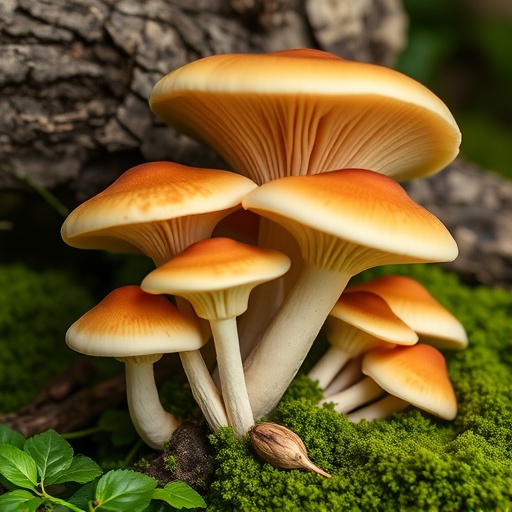
In a remarkable stride toward natural bioactive compounds, recent research has unveiled the potent polysaccharide extracted from Pleurotus djamor, a species of edible mushroom, exhibiting multifaceted biomedical properties. This study pioneers an optimized extraction method using response surface methodology, significantly enhancing yield efficiency while preserving the molecular integrity of the polysaccharides. This advancement holds immense promise for nutraceutical applications, particularly in antioxidant, immunomodulatory, and antitumor therapies, positioning Pleurotus djamor polysaccharides as a promising natural therapeutic agent.
The extraction of polysaccharides from Pleurotus djamor was meticulously optimized through response surface methodology (RSM), a statistical and mathematical technique that models and analyzes problems in which several variables influence the response of interest. The researchers focused on maximizing polysaccharide yield by fine-tuning extraction parameters, including temperature, time, and solvent-to-material ratio. This approach not only improved extraction efficiency but also ensured reproducibility, vital for scaling up and industrial applications.
Preliminary structural characterization of the isolated polysaccharides revealed a complex carbohydrate architecture, primarily composed of β-glucans, which are known for their biological activities. Advanced spectroscopic analyses suggested the presence of pyranose rings and glycosidic linkages fundamental to their bioactivity. Understanding this structural complexity is crucial as it influences the polysaccharides’ interaction with biological systems, thereby dictating their functional properties.
One of the standout aspects of this research is the demonstration of antioxidant potential, indicating the capability of the polysaccharides to scavenge free radicals and reduce oxidative stress. Oxidative stress is implicated in a myriad of chronic diseases and aging processes; hence, natural antioxidants serve as a pivotal intervention. The Pleurotus djamor polysaccharide’s antioxidant capacity suggests its utility in mitigating oxidative damage at the cellular level, which could translate into preventive strategies for degenerative diseases.
Equally significant is the immunomodulatory effect, characterized by the polysaccharide’s ability to modulate immune responses. The study highlighted the stimulation of macrophages and enhancement of cytokine production, which are vital mechanisms for innate immune defense. This immunomodulatory property reflects the therapeutic potential of Pleurotus djamor in enhancing host immunity, especially relevant in immunocompromised conditions or infections.
Antitumor activity was another critical focal point of the research. The polysaccharide demonstrated inhibitory effects on the proliferation of cancer cells, inducing apoptosis and arresting cell cycles. Such bioactivity indicates a promising natural compound capable of complementing conventional cancer therapies. The specificity and mechanism of action, possibly through modulation of signaling pathways and immune enhancement, merit further detailed investigation.
The intersection of extraction optimization and biomedical potential in this study highlights a comprehensive approach toward functional food and drug development. By integrating advanced statistical methodologies with bioactivity assays, the research sets a benchmark for future studies aiming to harness fungal polysaccharides for health applications. This holistic view bridges the gap between natural product chemistry and clinical relevance.
Moreover, the sustainable sourcing of Pleurotus djamor, a widely cultivable mushroom, enhances the feasibility of this polysaccharide as an accessible bioresource. The mushroom’s ease of cultivation under controlled conditions guarantees a consistent supply of bioactive compounds, essential for pharmaceutical standardization. This aligns with the growing global demand for sustainable and natural health products, minimizing the environmental footprint compared to synthetic analogs.
The study also emphasizes the importance of interdisciplinary collaboration, involving mycologists, biochemists, and pharmacologists, to decode the full potential of mushroom-derived polysaccharides. Such synergy accelerates the translation of laboratory findings into practical health solutions and functional foods. This collaborative approach is a key driver in the evolving landscape of natural product research.
Furthermore, the potential for these polysaccharides to be incorporated into dietary supplements or fortified foods opens new avenues for preventive health strategies. Given the rising incidence of chronic diseases linked to oxidative stress and immune dysfunction, integrating Pleurotus djamor polysaccharides into daily nutrition could offer a proactive defense mechanism. The consumer trend toward natural and plant-based products further supports this integration.
The robustness of response surface methodology in optimizing extraction conditions also signifies a methodological advancement in bioactive compound isolation. This statistical tool reduces experimental runs, conserves resources, and enhances the precision of extraction processes. Its application in this study serves as a template for other researchers working with plant and fungal metabolites, advocating for data-driven process refinement.
In the broader scientific and commercial context, these findings fuel the interest in mushroom polysaccharides as versatile agents with multifunctional health benefits. The demonstrated antioxidant, immunomodulatory, and antitumor activities collectively position Pleurotus djamor polysaccharides as candidates for pharmaceutical formulations, functional foods, and cosmetic products focused on health and wellness.
The translation of these findings into clinical trials will be essential to validate efficacy and safety in human populations. Future research should focus on detailed molecular mechanisms, bioavailability, dosage optimization, and synergistic effects with existing therapeutics. Such studies will pave the way for regulatory approvals and market introduction, bridging the gap from the lab bench to bedside.
Critically, this research underscores the untapped potential of fungi in drug discovery and nutrition science. While mushrooms have long been valued for their nutritional and medicinal properties, modern techniques and rigorous scientific validation are unlocking new dimensions of their utility. Pleurotus djamor’s bioactive polysaccharides exemplify this paradigm shift, offering a blueprint for sustainable and effective natural therapeutics.
This investigation sets a compelling precedent for the integration of traditional knowledge and cutting-edge science, fostering innovation in natural health product development. It invites a reevaluation of natural resources, urging scientists and industry stakeholders to harness biodiversity systematically. The journey from mushroom cultivation to molecular bioactivity profiles charts a promising course for future health interventions.
In conclusion, the study of polysaccharides from Pleurotus djamor using response surface methodology for extraction optimization delivers profound insights into natural compound science. The confirmed antioxidant, immunomodulatory, and antitumor potentials not only expand the horizons of functional food research but also illuminate pathways for new therapeutic agents rooted in nature. As the quest for safer, natural, and effective health solutions intensifies, Pleurotus djamor polysaccharides stand at the frontier of this transformative field.
Subject of Research: Polysaccharides extracted from the Pleurotus djamor mushroom, focusing on extraction optimization, structural analysis, and evaluation of antioxidant, immunomodulatory, and antitumor activities.
Article Title: Polysaccharide from Pleurotus djamor: extraction optimization with response surface methodology, preliminary structure, antioxidant, immunomodulatory and antitumor potentials.
Article References:
Govindan, S., Durairaj, J., Rajendran, G. et al. Polysaccharide from Pleurotus djamor: extraction optimization with response surface methodology, preliminary structure, antioxidant, immunomodulatory and antitumor potentials. Food Sci Biotechnol (2026). https://doi.org/10.1007/s10068-025-02085-6
Image Credits: AI Generated
DOI: 13 January 2026
Tags: antioxidant propertiesantitumor therapiescarbohydrate architecture in mushroomsimmunomodulatory effectsindustrial applications of polysaccharidesnatural bioactive compoundsnutraceutical applicationsoptimized extraction methodsPleurotus djamor polysaccharidesresponse surface methodologystructural characterization of polysaccharidesβ-glucans in health