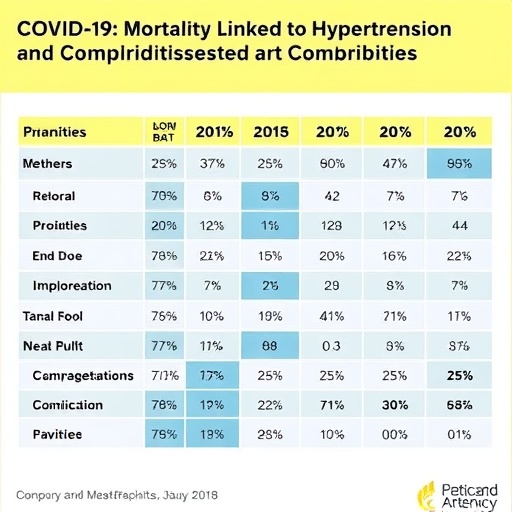
In a groundbreaking study published in “Scientific Reports,” researchers Gil-Prieto et al. investigate the significant relationship between hypertension, various comorbidities, and increased mortality rates among hospitalized adult patients with COVID-19 in Spain. This retrospective, nationwide analysis captures a crucial moment in the fight against the pandemic, highlighting urgent implications for public health policies and clinical practices aimed at improving outcomes for these vulnerable individuals.
The study’s findings underscore the complexity of COVID-19 pathology, which is exacerbated in patients with pre-existing health conditions. Hypertension, also known as high blood pressure, has long been recognized as a common comorbidity impacting the severity of various diseases, including cardiovascular and renal disorders. As the global healthcare community continues to grapple with the repercussions of COVID-19, understanding the interplay between hypertension and this novel virus becomes increasingly vital.
Within the context of COVID-19, hypertensive patients face a dual challenge; not only do they contend with elevated risks of severe illness and death, but they also navigate the intricacies of managing an underlying chronic condition. The mechanisms through which hypertension catalyzes adverse outcomes in COVID-19 patients warrant a closer examination. It is believed that the elevated inflammatory response and potential for endothelial dysfunction in hypertensive individuals contribute to the severe manifestations of the virus.
Additionally, the study delves into other comorbidities such as diabetes, chronic respiratory diseases, and cardiovascular conditions, offering a comprehensive view of how multiple health challenges can compound the risks associated with COVID-19. The intertwining of these factors can complicate treatment decisions and necessitates a more nuanced approach to patient management, particularly in hospital settings where resources may be limited and critical care demands are high.
A pivotal aspect of this research lies in its nationwide scope, providing a broad dataset reflective of the Spanish population affected during the peaks of COVID-19 cases. By analyzing hospital records across multiple regions, researchers were able to identify patterns that may not have been evident in smaller studies. The data showcases demographic variations in mortality rates, correlating them with specific comorbid conditions like hypertension, thereby elucidating the public health landscape during the pandemic.
The study’s motivational drive stems from the pressing need to tailor healthcare practices for individuals with chronic diseases amidst a global health crisis. Policymakers and hospital administrators can benefit from these insights, as they can inform strategies aimed at protecting at-risk populations. This could involve prioritizing vaccinations, optimizing healthcare access, and ensuring that hypertensive patients receive appropriate monitoring and treatment, especially in emergency medical situations.
Moreover, the implications of this research extend beyond just hospital settings. Health education campaigns can be bolstered by highlighting the importance of managing hypertension proactively to mitigate risks associated with potential future pandemics. By promoting awareness about the consequences of high blood pressure and encouraging routine health checks, it is possible to enhance individual health literacy and encourage preventive care.
In a broader context, the findings spark further inquiry into the pathophysiology of COVID-19 and its varied impact on different populations. As researchers continue to investigate the virus, insights into how chronic conditions interact with the infectious process could lead to novel therapeutic strategies and interventions. Understanding the mechanisms at play will empower clinicians to better manage COVID-19 patients with chronic health issues.
Altogether, the efforts of Gil-Prieto and his team mark an essential contribution to the growing body of evidence linking comorbidities to COVID-19 outcomes. This research not only emphasizes the importance of addressing hypertension but also calls for a more integrated healthcare approach that considers the full spectrum of patient health. As the world emerges from the COVID-19 pandemic, the lessons learned from such studies will be invaluable for future public health initiatives.
The comprehensive nature of the study, coupled with its pressing relevance, positions it as a crucial reference point for healthcare professionals and researchers alike. The findings could inspire ongoing dialogues around chronic disease management and pandemic preparedness that involve a multitude of stakeholders, from clinicians to patients to public health leaders, all striving for a healthier future.
In summary, Gil-Prieto et al.’s nationwide study elucidates the deadly ramifications of COVID-19 in patients with hypertension and other comorbidities. It serves as a clarion call for an urgent reevaluation of healthcare strategies geared toward safeguarding our most vulnerable populations in times of crisis. The imperative to act is now more pronounced than ever, as these revelations may prove pivotal in shaping a resilient healthcare framework robust enough to withstand future challenges.
Subject of Research: Impact of hypertension and comorbidities on mortality in COVID-19 hospitalized patients.
Article Title: Hypertension and other comorbidities associated with increased mortality in hospitalized adult patients with COVID-19 in Spain: a descriptive, retrospective, nationwide study.
Article References:
Gil-Prieto, R., Hernandez-Barrera, V., Marín-García, P. et al. Hypertension and other comorbidities associated with increased mortality in hospitalized adult patients with COVID-19 in Spain: a descriptive, retrospective, nationwide study.
Sci Rep (2026). https://doi.org/10.1038/s41598-025-34518-x
Image Credits: AI Generated
DOI: 10.1038/s41598-025-34518-x
Keywords: COVID-19, hypertension, comorbidities, mortality, public health, retrospective study.
Tags: cardiovascular health and COVID-19chronic conditions and COVID-19comorbidity impact on COVID-19 outcomesCOVID-19 mortality ratesendothelial dysfunction in COVID-19healthcare policies for vulnerable populationshypertension and comorbiditiesinflammatory response in hypertensive patientsmanagement of hypertension in pandemicpublic health implications COVID-19retrospective study on COVID-19severe illness risk factors COVID-19