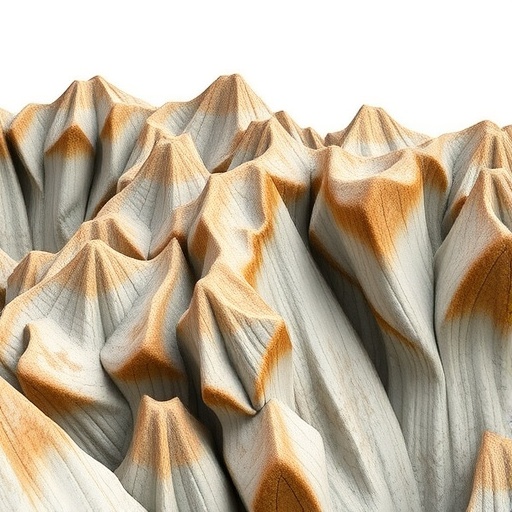
In a groundbreaking new study published in Scientific Reports, researchers examine the complex geological processes affecting carbonate platform dolomites. This work, led by Gairola, Thiele, and Khanna, investigates the intricate interplay between near-surface generation, burial recrystallization, and structural overprinting in these significant geological formations. As these processes can have profound implications for various sectors, including geology, sedimentology, and even oil and gas extraction, the findings present a significant advancement in our understanding of dolomite formation.
Dolomites, primarily composed of the mineral dolomite, are seen as vital reservoirs in several geological contexts. This study delves into how these carbonate formations are influenced by factors at varying depths, where the sedimentary processes interact with mineralogical transformations. Understanding these dynamics offers insights not only into the geological past but also into future resource management strategies and climate implications.
At the outset, the researchers focused on near-surface generation processes that contribute to dolomite formation. This phase typically encompasses the initial stages of dolomitization when conditions such as temperature and pressure are favorable for mineral transformation from limestone to dolomite. Notably, the role of microbial activity in this process cannot be overstated, as certain microorganisms facilitate crucial metabolic reactions that lead to dolomite precipitation in surface environments. Thus, the interplay between biological agents and geological conditions is pivotal.
The authors poignantly detail how burial recrystallization occurs as dolomites undergo thermal and tectonic stress over geological timescales. As sediments accumulate, increasing temperature and pressure conditions accelerate mineral adjustments, resulting in recrystallization. This process alters the texture and structure of the dolomite, impacting the qualities essential for various industrial applications. The findings suggest a robust link between the depth of burial and the extent of recrystallization, leading to material properties that can vary significantly on a local and regional scale.
Moreover, the study highlights how structural overprinting can impact the dolomitic rocks found within carbonate platforms. Structural overprinting refers to the alteration of pre-existing geological features through subsequent geological events — such as tectonics and faulting — ultimately reshaping dolomite beds. The authors emphasize that despite the geological complexity introduced by these processes, understanding them is crucial for interpreting earth history and assessing potential reservoirs of hydrocarbons.
Utilizing advanced analytical techniques, the study provides quantitative data on crystallographic parameters and mineral compositions associated with various stages of dolomite development. These insights illustrate how the textural relationships within the dolomite reflect their metamorphic history and subsequent diagenetic processes. The research reveals a clear narrative of how external and internal factors guide the formation and evolution of dolomite structures over millions of years.
Significantly, the research team employed state-of-the-art imaging techniques to visualize the microstructural changes in dolomite. By analyzing samples from several carbonate platforms, they documented nuances in texture that signify different geological processes at play. This robust imaging allowed scientists to correlate specific structural features with historical geological events, establishing a clearer understanding of the sedimentary environments that favor dolomite formation.
As the study unfolds, the implications extend beyond mere academic interest. The findings emphasize the potential for using dolomites as reliable indicators of past environmental conditions and can serve as useful tools for exploration in the energy sector. For energy companies, understanding dolomite formation profoundly affects strategies regarding storage capacities and extraction methodologies, including hydraulic fracturing and other enhanced recovery techniques.
Additionally, the intersection of sedimentological research with the energy sector underscores the importance of interdisciplinary approaches in geology. By collaborating across fields, including biology, chemistry, and physical sciences, researchers can foster innovative solutions to pressing resource dilemmas tied to fossil fuel reliance and sustainability.
The authors conclude their findings by advocating for continued sedimentological studies of dolomites to further unravel the complexities of carbonate systems. These geological formations not only provide ample resources but also hold the key to understanding climate variations dating back millions of years, thus enriching our knowledge and guiding future explorations.
This study marks a significant contribution to carbonate geology, combining meticulous fieldwork and sophisticated analytical technology. It invites researchers to rethink established notions about dolomite, encouraging a comprehensive investigation into carbonate systems’ intricacies and interdependencies. With applications ranging from oil exploration to climate modeling, the implications of this research suggest a vast spectrum of future inquiries and discoveries that await.
In essence, Gairola, Thiele, and Khanna’s research provides a vital piece of the puzzle in understanding lithological transformations in carbonate platforms. As climate change impacts global geology, delineating the mechanisms behind such transformations can inform effective management strategies for our planet’s finite resources.
The comprehensive insights gained from this investigation signal a turning point in the geological understanding of dolomites. Careful consideration of the past helps pave the way for responsible stewardship of natural resources, ensuring that we can sustainably navigate the complexities of our environment while benefiting from its rich geological narratives.
In a world increasingly reliant on resources tied to geological processes, the work of Gairola and collaborators stands as a resounding reminder of nature’s intricate tapestry, constructed layer upon layer through countless interactions over time.
Subject of Research: Geological processes in carbonate platform dolomites
Article Title: Near surface generation, burial recrystallization, and structural overprinting of carbonate platform dolomites
Article References:
Gairola, G.S., Thiele, S.T., Khanna, P. et al. Near surface generation, burial recrystallization, and structural overprinting of carbonate platform dolomites.
Sci Rep (2026). https://doi.org/10.1038/s41598-026-35353-4
Image Credits: AI Generated
DOI: 10.1038/s41598-026-35353-4
Keywords: carbonate platform, dolomites, near-surface generation, burial recrystallization, geological processes
Tags: burial recrystallization mechanismscarbonate platform geologyclimate impact on dolomite reservoirsdolomite evolution processesgeological implications of dolomitesmicrobial influence on dolomitemineralogical transformations in carbonate rocksnear-surface dolomitizationoil and gas extraction from dolomitesresource management in geologysedimentary processes in dolomite formationsignificant advancements in sedimentology research