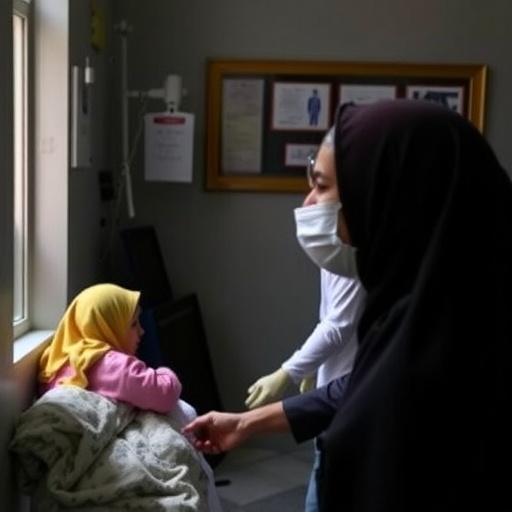
In an increasingly interconnected world, the pressures faced by healthcare systems have come under notable scrutiny. Among the myriad of challenges that arise, the financial strain linked to migrant populations has surfaced as a substantial concern, particularly in nations grappling with their own economic pressures. A recent study sheds light on the specific financial challenges in Iran’s healthcare system, particularly focusing on the impacts of migrant populations in Yazd Province. This examination not only highlights the intricate dynamics at play but also poses significant questions about policy, resource allocation, and the future of health services in similar contexts.
Iran, a nation known both for its rich cultural history and complex socioeconomic landscape, reveals a troubling narrative regarding healthcare access and financial sustainability. With the influx of migrants seeking refuge or opportunity within its borders, the healthcare system faces unprecedented strains. The study conducted in two hospitals in Yazd Province serves as a microcosm of this larger systemic issue. Within these institutions, the influx of patients from migrant backgrounds highlights a twofold challenge: the immediate healthcare needs of these populations and the subsequent financial implications for the healthcare providers.
Patients from migrant backgrounds often arrive with a myriad of health concerns, some exacerbated by the conditions they fled—whether from war, poverty, or persecution. The pre-existing conditions and emergencies they present strain healthcare resources already stretched thin by existing demands. This challenge is compounded by the fact that many of these migrants may not have the means to pay for services, placing additional economic pressures on hospitals that are wrestling with the dual need to provide care while also maintaining financial viability.
The study reveals that the financial challenges encountered are not merely a consequence of increased patient load but are intricately connected to the policies guiding healthcare funding and migration in Iran. Often, healthcare resources are allocated based on demographic prevalence, yet the shifting statistics due to migration can leave healthcare providers struggling to adapt. This misalignment between resource allocation and actual patient demographics feeds directly into a cycle of underfunding and unmet health needs.
In examining the financial repercussions, it becomes clear that the hospitals are caught in a precarious situation. With increasing operational costs that parallel a rise in the number of patients without corresponding increases in funding, healthcare facilities find themselves in a bind. This situation is further complicated by the lack of consistent governmental support for migrants, which leaves hospitals to foot the bill for care that they may not be reimbursed for. Consequently, healthcare providers often resort to cost-cutting measures that can compromise the quality of care delivered, leading to a downward spiral of health outcomes among these vulnerable populations.
Moreover, the implications of these financial challenges extend beyond immediate care. The systemic strain can foster an environment where healthcare providers experience burnout and decreased morale, ultimately impacting the level of care offered. When healthcare workers are overwhelmed, the attention and resources that should be directed towards patient health may become diluted, leading to longer wait times, rushed consultations, and diminished patient satisfaction.
The broader implications extend to public health outcomes as well. A healthcare system under financial duress is not merely a localized issue; it has the potential to spiral into community-wide health crises, thereby threatening not just migrant populations but the general public as well. Infectious diseases, for instance, can spread more rapidly in communities where healthcare access is compromised, placing all residents at risk irrespective of their migrant status.
There is also a pressing need to address the mental health ramifications arising from these financial challenges. Migrant populations often face significant adversities not only during their journey but also upon arrival at their destination. The stress associated with healthcare access, compounded by financial insecurity, creates a fertile ground for mental health issues. However, treating these conditions in an underfunded healthcare system proves exceptionally challenging, further perpetuating cycles of poor health.
The study suggests that addressing these significant challenges requires a multifaceted approach. Firstly, greater governmental intervention to bolster healthcare funding for facilities servicing migrant populations is crucial. Policies that integrate support specifically for hospitals coping with increased numbers of migrant patients could alleviate some of the financial burdens currently being borne.
Secondly, developing a framework that encourages private-public partnerships could help diversify funding sources and improve resource sustainability. By fostering collaboration between governmental bodies, non-profits, and private sectors, healthcare providers may find new avenues for support that relieve some of the economic pressures currently faced.
Additionally, a more proactive approach to healthcare policy that accounts for the dynamic nature of migration can lead to improved outcomes. Policies that anticipate fluctuations in patient demographics will allow providers to be better prepared financially, thus enabling them to meet both current and future health needs.
Ultimately, the conversation surrounding the financial challenges posed by migrant populations in Iran’s healthcare system encourages a broader dialogue regarding health equity and access. The experiences elucidated within the Yazd Province hospitals exemplify a pressing global concern: as populations shift due to various factors, so too must our systems of care adapt in order to provide timely, efficient, and equitable healthcare for all.
In summary, the intricate relationship between migrant populations and healthcare systems necessitates immediate attention. The financial pressures faced by healthcare providers not only impact operational effectiveness but also have profound implications for public health outcomes. Without decisive action and adaptation, the gaps in care may widen, perpetuating cycles of disadvantage among vulnerable populations.
In navigating this complex landscape, it is crucial that both local and national health policymakers take heed of these findings. The evidence from Yazd Province serves as a stark reminder of the ripple effects that occur when healthcare systems are unable to respond adequately to the needs of all residents.
As nations strive for healthier futures, especially in the wake of global crises that may trigger unprecedented migrations, the lessons learned from Iran’s experience can inform practices and policies worldwide. The urgent need for a foundational shift towards inclusive and adaptive healthcare systems has never been more critical.
Subject of Research: Financial challenges in Iran’s healthcare system due to migrant populations
Article Title: Financial challenges in Iran’s healthcare system arising from migrant populations: evidence from two hospitals in Yazd Province.
Article References:
Aghaei Hashjin, A., Ghafoori, M., Ghane, M. et al. Financial challenges in Iran’s healthcare system arising from migrant populations: evidence from two hospitals in Yazd Province.
BMC Health Serv Res (2026). https://doi.org/10.1186/s12913-025-13755-w
Image Credits: AI Generated
DOI:
Keywords: migrant populations, healthcare system, financial challenges, public health, Iran
Tags: economic pressures on healthcarefinancial sustainability in healthcarehealthcare access for migrantsHealthcare financial challengeshealthcare providers and migrant populationshealthcare system strains due to migrantsIranian healthcare dynamicsmigrant health impacts in Iranpolicies for migrant healthrefugee healthcare challengesresource allocation in healthcareYazd Province healthcare system