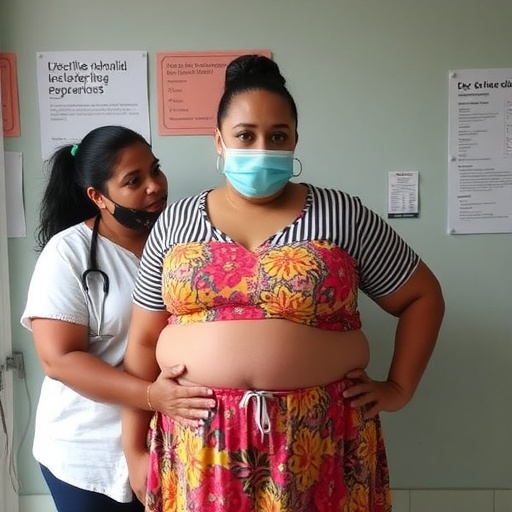
In recent years, a growing focus has emerged around the complexities of weight, health, and societal stigma, leading to a nuanced discourse termed “fatphobia.” While discussions around body positivity have gained traction, hidden biases persist within healthcare systems. An intriguing mixed-method study has surfaced in the realm of health services research, delving into the training and practices of primary healthcare professionals in Brazil, revealing structural fatphobia residing deep within the fabric of medical education and professional interactions. This research shines a spotlight on how cultural stigma surrounding bodyweight directly impacts healthcare delivery and patient treatment outcomes.
The study was conducted by a team led by Barbosa, B.B. and collaborators Arruda, G.F.C.d. and Jimenez, M.L.J. Their investigation, published in BMC Health Services Research, points to significant systematic biases that compromise the quality of care provided to individuals with larger body sizes. Through mixed methodologies—a qualitative analysis coupled with quantitative data—the researchers paint a vivid picture of the pervasive nature of fatphobia entrenched within health care settings. They chronicle the stories of patients who have encountered prejudice from medical professionals, revealing shocking encounters that highlight an alarming disconnect between healthcare ethics and practice.
During their research, the team identified alarming attitudes among healthcare professionals concerning weight. Many professionals expressed judgments about patients’ lifestyles or self-discipline, attributing health outcomes solely to an individual’s body size rather than a complex interplay of genetics, environment, and socio-economic factors. This prejudgment leads to misdiagnosis and inappropriate treatment plans, compromising the quality of care offered to larger patients. Patients disproportionately report feelings of humiliation and betrayal when confronted by this bias, raising ethical concerns about equitable healthcare access.
The qualitative portion of the study utilized in-depth interviews allowing healthcare professionals to articulate their own biases and misconceptions surrounding fatness. These narratives provided critical insights into the training and educational practices that contributed to these entrenched beliefs. Surprisingly, many practitioners acknowledged their own biases as a learned behavior reinforced during their formative years in medical education. Such admissions underscore the necessity for systemic changes within medical curricula to tackle and rectify the ingrained biases that jeopardize patient care.
Moreover, the researchers highlighted how societal norms and media representations exacerbate these biases among healthcare practitioners. With predominant imagery in health discourse often centered on thinness as an ideal, it breeds a culture where larger bodies are seen as a failure of personal responsibility rather than an aspect of individual diversity. This attitudinal framework ultimately influences the care received by bigger patients, leading to a cycle of stigma and poor health outcomes.
Through quantitative evaluation, the study underlined statistical evidence of the biases affecting patient care. Survey results from both healthcare professionals and patients revealed a troubling correlation between healthcare professionals’ biases and patients’ reported dissatisfaction with care. The data reflected a clear pattern where larger patients were more likely to receive inadequate counsel, experience longer waiting times, and report feelings of dismissal during medical consultations compared to their slimmer counterparts.
Furthermore, the findings provoke a vital conversation around accountability in healthcare settings. Should healthcare professionals be trained to confront their biases? Should institutions implement specific protocols to ensure equitable treatment? These questions are fundamental as the study advocates for institutional reforms that could promote inclusivity and cultural competence within healthcare practices. Enhancing training programs to incorporate fat studies could foster a greater understanding among professionals, steering them away from judgment and towards compassionate and holistic care.
Ultimately, Barbosa and colleagues advocate for an urgent need to dismantle spaces of fatphobia within healthcare settings. By reformulating training programs to incorporate discussions on body diversity, healthcare institutions stand a greater chance to provide adequate, unbiased care. Such reforms could not only improve patient outcomes but also contribute to overall societal shifts in how bodies are perceived and treated within the healthcare system.
In conclusion, the findings of this mixed-method study serve as a clarion call for immediate action. By lobbying for systemic changes and fostering a culture of awareness within healthcare training, it is possible to alleviate the adverse effects of fatphobia. As society endeavors towards advancing equity in health, it is paramount for healthcare professionals and institutions to acknowledge and address their biases, ultimately working towards a more inclusive health landscape. This element of research shines a necessary light on an issue too often shrouded in silence, prompting both professionals and patients to partake in shaping a more just healthcare experience.
The pivotal research conducted in Brazil highlights the urgent need for a paradigm shift within healthcare practices, emphasizing the importance of training healthcare professionals not only in clinical skills but also in cultural competence and sensitivity towards body diversity. By recognizing fatphobia as a prevailing issue, we open the door to healthier patient-provider relationships and improved health outcomes for individuals of all body sizes.
Subject of Research: Structural fatphobia in the training and practice of primary health care professionals in Brazil.
Article Title: Structural fatphobia in the training and practice of primary health care professionals in Brazil: a mixed-methods study grounded in fat studies.
Article References:
Barbosa, B.B., Arruda, G.F.C.d., Jimenez, M.L.J. et al. Structural fatphobia in the training and practice of primary health care professionals in Brazil: a mixed-methods study grounded in fat studies.
BMC Health Serv Res (2026). https://doi.org/10.1186/s12913-026-14022-2
Image Credits: AI Generated
DOI: 10.1186/s12913-026-14022-2
Keywords: Fatphobia, healthcare bias, patient care, primary health care, medical education.
Tags: biases in medical educationbody positivity movementBrazil health care systemchallenges in primary healthcare trainingcultural stigma and healthethical issues in medical practicefatphobia in healthcarehealthcare professionals attitudesmixed-methods research in healthcarepatient treatment outcomessystemic bias in healthcare deliveryweight stigma impact on health