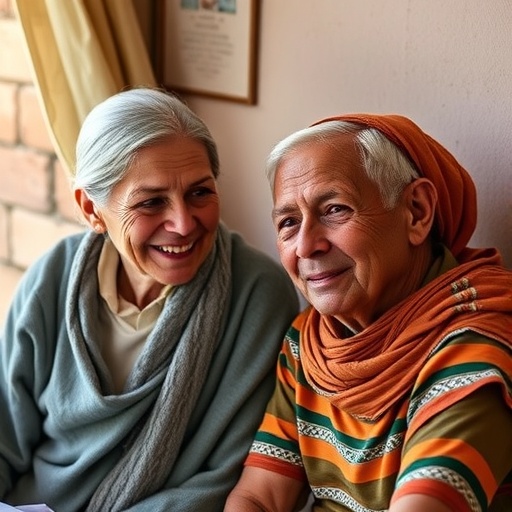
Tuberculosis (TB) is a contagious bacterial infection caused by Mycobacterium tuberculosis, primarily affecting the lungs but capable of damaging other parts of the body. The disease has long been a global health concern, particularly in vulnerable populations. One demographic that has received increasing attention in TB research is older adults, specifically those aged 65 years and older. In recent years, research has indicated a disturbing rise in TB incidence within this age group, which is further complicated by sex differences and regional disparities.
The global landscape of TB has evolved dramatically over the past two decades. From 2000 to 2023, the incidence rates among older adults have shown variations in both high-burden and low-burden countries. Emerging statistics reveal that while younger populations have benefitted from advances in public health initiatives and medical technology, older adults have not experienced the same level of protection. This begs the question: why are older adults, particularly those over 65, becoming increasingly susceptible to tuberculosis?
Several factors contribute to the heightened risk of TB in this demographic. Age-related physiological changes lead to a decline in immune function, making older adults less equipped to fend off infections. Chronic comorbidities such as diabetes, renal disease, and cardiovascular conditions exacerbate the risk. Furthermore, lifestyle factors, such as smoking and malnutrition—common in elderly populations—also play a significant role in this raised vulnerability, providing fertile ground for TB to take hold.
Sex differences further complicate the epidemiological picture. Research indicates that men are disproportionately affected by TB compared to women across various age brackets, including among older adults. The reasons for this disparity are complex, rooted in sociocultural, biological, and behavioral factors. Males might engage more in riskier health behaviors, resulting in higher exposure to the TB pathogen. Hormonal differences may also be contributory, as estrogen is known to bolster the immune response, giving women a potential advantage in resisting TB infection.
Regional variations present additional layers of complexity in understanding TB trends among older populations. Low- and middle-income countries, particularly in sub-Saharan Africa and Southeast Asia, report markedly higher rates of TB in older adults compared to high-income regions. As urbanization accelerates in these areas, the likelihood of crowded living conditions, poor healthcare access, and inadequate sanitation increase, heightening the risk of transmission. Additionally, the burden of HIV infection in many of these regions further complicates TB management, as co-infections significantly worsen outcomes.
In high-income countries, the rise of TB among older adults can be attributed to other factors. Aging populations, particularly in regions such as Europe and North America, are seeing a resurgence of TB potentially due to increased immigration from high-burden areas. Additionally, as older individuals may spend more time in healthcare settings, the risk of healthcare-associated infections escalates. Hospitalization due to other health issues can inadvertently expose the elderly to TB through nosocomial transmission.
One critical aspect of addressing TB in older adults is the need for effective screening and diagnostic measures. Many healthcare systems are not tailored to meet the unique needs of elderly individuals. The symptoms of TB, such as cough and fatigue, are often misattributed to aspects of aging or chronic conditions, delaying diagnosis and treatment. A more specialized approach in geriatric care that emphasizes screening for TB can help in early detection and timely intervention, thereby reducing morbidity and mortality associated with the disease.
To tackle the increasing incidence of TB in elders, public health initiatives must also implement vaccination strategies tailored for older populations. The Bacillus Calmette-Guérin (BCG) vaccine is traditionally administered to younger individuals, but its efficacy in older adults is currently a topic of research. Exploring newer vaccines or booster doses could fortify immunity in seniors who are at a higher risk for tuberculosis.
Given the wide-ranging implications of TB trends in older adults, collaborative research efforts are essential for understanding these dynamics. Studies must go beyond mere statistics; they should examine the social determinants of health, risk factors, and healthcare access disparities that contribute to increased TB incidence. Multidisciplinary approaches, including input from epidemiologists, geriatricians, and social scientists, are vital for a comprehensive understanding of why older adults are becoming sicker in this context.
Another focus should be on educating healthcare providers and the general public about demographic trends and health challenges facing older adults. Awareness campaigns can help dismantle stigma surrounding TB, promoting healthier behaviors and encouraging timely healthcare interventions for vulnerable groups. Ensuring that older adults receive annual TB screenings could become a standard practice in primary care settings, particularly for those with known risk factors.
Finally, addressing the financial and systemic barriers faced by older adults in accessing healthcare is paramount. Countries must invest in healthcare infrastructure that specifically supports the elderly, including ensuring timely access to diagnosis and treatment for TB. Policymakers should advocate for increased funding and resources to bolster TB control programs, particularly those targeting older populations in both high- and low-burden countries.
Overall, the discourse around tuberculosis in older adults necessitates a collective and nuanced approach, focusing on understanding and mitigating the unique challenges posed by this demographic. Only through concerted efforts can public health officials hope to curtail the rising tide of TB among older adults, ultimately laying groundwork for a healthier future for this vulnerable population.
In conclusion, as we examine the path forward, the importance of research that prioritizes older adults in tuberculosis studies cannot be overstated. By identifying and addressing the specific needs of this demographic, we can not only stem the rising incidence of tuberculosis but also improve the overall health outcomes for millions globally.
Subject of Research: Tuberculosis in older adults (≥ 65 years): Global trends, sex differences, and regional variations.
Article Title: Tuberculosis in older adults (≥ 65 years): Global trends, sex differences, and regional variations, 2000–2023.
Article References:
Yayan, J., Rasche, K. Tuberculosis in older adults (≥ 65 years): Global trends, sex differences, and regional variations, 2000–2023.
BMC Geriatr (2026). https://doi.org/10.1186/s12877-025-06934-1
Image Credits: AI Generated
DOI:
Keywords: Tuberculosis, older adults, epidemiology, global health, sex differences, public health.
Tags: aging population and infectious diseaseschronic comorbidities and tuberculosis riskglobal health trends in tuberculosisglobal tuberculosis research updatesimmune function decline in aging populationsMycobacterium tuberculosis infectionpublic health initiatives for older adultsregional disparities in TB incidencerising incidence of TB among seniorssex differences in tuberculosis susceptibilitytuberculosis in older adultstuberculosis prevention strategies for seniors