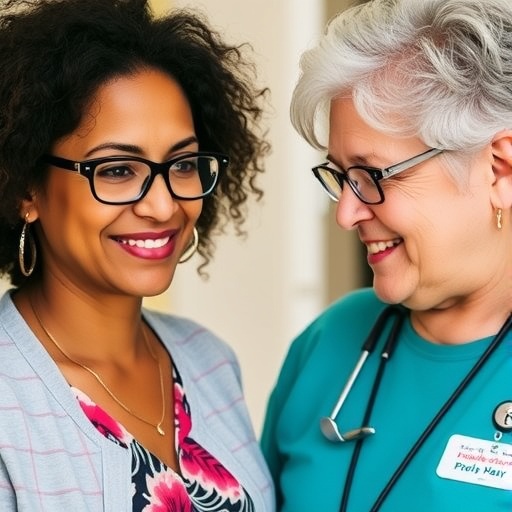
In a rapidly evolving landscape of healthcare and social assistance, the role of research capacity-building has never been more crucial. Amidst the challenges posed by an aging population and the complexities of health systems, a recent study has shed light on the effectiveness of structured internships and fellowships designed for early career researchers within this field. This exploration highlights the significance of fostering new talent and innovative thinking as a means to address pressing health issues.
The integration of educational initiatives into healthcare settings has emerged as a strategic move to bolster ongoing research activities. The assessment carried out in the study showcases a clear alignment between academic frameworks and real-world healthcare needs, allowing nascent researchers to engage profoundly with practical challenges. Such programs are not merely job training opportunities; they bridge the gap between theory and practice, ensuring that the next generation of health leaders is well-equipped to navigate the complexities of modern healthcare.
Internships, as highlighted in the study, serve as integral components of a broader capacity-building initiative. These placements not only provide hands-on experience but also cultivate essential skills such as critical thinking, data analysis, and collaborative problem-solving. Participants reported that their time spent in the field allowed them to confront actual health challenges, thereby enhancing their learning and professional development. This experiential learning approach stands in stark contrast to traditional educational methods, which often lack the immediacy and relevance offered by real-world experiences.
Fellowships, on the other hand, add another layer of depth to the training process. They often focus on specific areas of research, encouraging fellows to delve into niche topics that align with pressing societal needs. By fostering specialization, these fellowships can lead to groundbreaking insights that could significantly impact health policies and practices. The study emphasizes how such targeted support not only advances individual careers but also contributes to the collective knowledge base within the health and social care sectors.
One of the reflective outcomes of the research reveals the participants’ growing confidence in their abilities. Interns and fellows experienced a transformation not just in their skills, but also in their professional identity. The combination of mentorship, peer collaboration, and feedback mechanisms creates an environment conducive to growth. This signifies a shift where early-career researchers begin to see themselves as integral players in the broader scope of healthcare solutions, rather than merely observers.
Evaluation frameworks incorporated into these programs provide a systematic way to analyze effectiveness. The study meticulously outlines the metrics used to assess the impact of internships and fellowships on participants, including qualitative interviews, surveys, and feedback loops. This kind of evaluative practice is critical not only for ongoing improvement of these programs but also for demonstrating their value to stakeholders, who may include government entities, healthcare providers, and educational institutions.
The role of mentorship is particularly emphasized, as seasoned researchers and practitioners guide early-career professionals through the nuances of health research. This relationship fosters a culture of knowledge-sharing and collaboration, essential for the development of deep insights into both theory and practice. Mentors equip these emerging leaders with tools and perspectives that enhance their research potential, preparing them for future challenges in the health sector.
A notable aspect of the internships and fellowships program is the integration of interprofessional education. This approach involves collaboration among different health professions, allowing early-career researchers to engage with issues from multiple perspectives. Such experiences are vital in fostering holistic understanding and comprehensive solutions, as health problems often span multiple specialties. By working together, budding researchers learn the importance of coordinated care and the ways in which diverse inputs can lead to improved outcomes.
Furthermore, the study emphasizes the importance of inclusivity in research capacity-building. Ensuring that these programs are accessible to individuals from varied backgrounds is crucial for creating a diverse workforce that can address the multifaceted nature of health issues. Diversity not only enriches the learning experience but also leads to more innovative solutions by bringing together a wide range of perspectives and experiences.
As the health landscape continues to shift due to technological advancements and demographic changes, the necessity of such educational initiatives becomes even clearer. The research highlights that equipping early-career professionals with the necessary skills and experiences fosters adaptability and resilience. This ability to pivot and adjust to new challenges will be essential for facing the uncertainties of the future, especially in health sectors that are continually evolving.
By focusing on evidence-based practices, these internships and fellowships encourage a culture of inquiry and critical analysis. Participants are challenged to scrutinize existing practices, ask pivotal questions, and develop new ideas grounded in research findings. Such a mindset is pivotal for driving innovation and ensuring that health services are not only efficient but also equitable and accessible to all population segments.
In conclusion, the study serves as a clarion call for the sustained investment in early career research capacity-building. As pressure on health and social systems grows, so too does the need for well-trained researchers who can contribute to evidence-based policymaking and practice. By supporting young talent through structured programs, the field of health research can cultivate a vibrant ecosystem that prioritizes both personal development and societal benefit.
The findings of this research ripple through not just the academic community but also the diverse sectors that comprise healthcare. The subsequent rise in research-capable professionals ensures a continuous cycle of mentorship, innovation, and improvement, ultimately leading to a more resilient healthcare system, equipped to meet the demands of the future.
The impact of these internships and fellowships may extend far beyond individual careers; they represent a significant investment in the collective capability of the health workforce. By empowering the next generation of researchers and practitioners, the study affirms that we are not just filling positions, but building a foundation for future health advancements that can respond effectively to pressing societal challenges.
Subject of Research: Early career research capacity-building for health and social care workforce.
Article Title: Early career research capacity-building for the health and social care workforce: process evaluation of internships and fellowships provided through a research-practice partnership.
Article References:
Elvey, R., Atkinson, R., Twelvetree, T. et al. Early career research capacity-building for the health and social care workforce: process evaluation of internships and fellowships provided through a research-practice partnership.
Health Res Policy Sys (2026). https://doi.org/10.1186/s12961-025-01439-0
Image Credits: AI Generated
DOI: 10.1186/s12961-025-01439-0
Keywords: research capacity-building, health workforce, internships, fellowships, mentorship, interprofessional education, evidence-based practice.
Tags: addressing aging population challengesbridging theory and practice in healthcollaborative problem-solving in healthcarecritical thinking in health researchdata analysis for social careeducational initiatives in healthcare settingsfellowships in social care researchfostering new talent in healthcare researchpractical challenges in health systemsresearch capacity-building in healthcareskills development for early career researchersstructured internships for health researchers