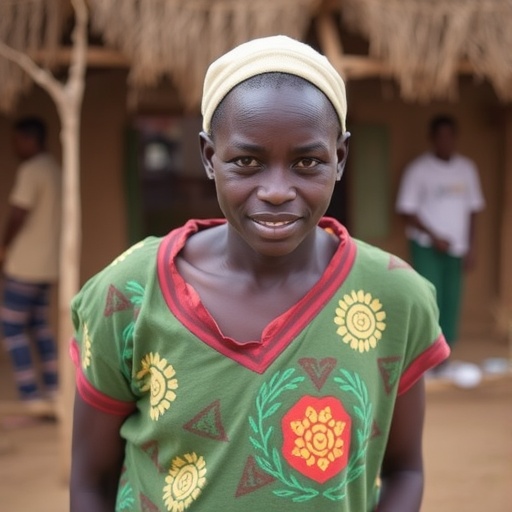
In an era where global health concerns continue to evolve, the focus on infectious diseases such as malaria remains crucial. A recent study conducted in Jimma Town, located in Southwest Ethiopia, has highlighted the current state of malaria surveillance systems and the fluctuating trends associated with this pervasive disease. Researchers A.Y. Nuh, C. Fikru, and D. Regassa have meticulously examined the effectiveness of these surveillance systems and the implications for public health strategies in the region. Their work, described as a mixed-method study, provides valuable insights not only into the present challenges but also into potential frameworks for improvement.
The study was prompted by the persistent burden of malaria in Sub-Saharan Africa, which remains a significant health threat despite ongoing efforts to combat its prevalence. In Ethiopia, malaria accounts for a considerable portion of morbidity and mortality, especially among vulnerable populations such as children and pregnant women. With comprehensive data collection and analysis, the researchers aimed to evaluate existing malaria surveillance mechanisms, focusing on their efficiency, accuracy, and responsiveness to emerging trends and outbreaks.
One of the critical components the researchers explored was the role of community engagement in malaria surveillance. Effective surveillance systems hinge on timely data collection and analysis, which in turn rely on community participation and feedback. By involving local populations in the surveillance process, the researchers were able to gather more accurate information regarding malaria incidences and treatment outcomes. This collaborative approach not only enhances data quality but also fosters community trust in health initiatives.
Another salient aspect of the study was the integration of qualitative and quantitative methods. By combining statistical data with insights gathered from community interviews and focus groups, the researchers provided a holistic view of the surveillance system. This mixed-method approach enabled the identification of gaps in current practices and revealed the socio-economic factors that influence malaria transmission. Such an in-depth analysis underscores the importance of context in designing effective public health interventions.
The authors also discussed the technological advancements that could augment malaria surveillance efforts. The advent of mobile health technologies presents an opportunity for real-time data collection, which is crucial in areas where malaria cases can surge rapidly. By utilizing mobile applications for reporting and tracking malaria cases, health officials can respond more swiftly to outbreaks and ensure timely treatment for affected individuals. This technological integration could revolutionize the existing surveillance frameworks, making them more responsive and effective.
Additionally, the study examined the impact of climate change on malaria transmission patterns. The researchers found that fluctuations in temperature and rainfall significantly influenced mosquito breeding patterns, which in turn escalates the risk of malaria transmission. Understanding these environmental factors is essential in predicting potential outbreaks and strategizing preventive measures. Therefore, incorporating climate data into surveillance systems could greatly enhance their effectiveness.
Despite the advancements in malaria prevention strategies, the study highlights the ongoing challenges faced in Jimma Town. Resistance to antimalarial medications is a growing concern that complicates the treatment landscape. The researchers underscored the importance of continuous monitoring of drug efficacy and the need for developing new treatment protocols. This emphasizes the urgency for ongoing research and adaptation of treatment guidelines to ensure that health outcomes are maintained.
The findings from this study emphasize the necessity for a multisectoral approach to tackle malaria effectively. Collaboration between healthcare providers, policymakers, researchers, and community members is essential to create an integrated response to malaria surveillance and control. By pooling resources and expertise, stakeholders can devise comprehensive strategies that address not only the disease’s immediate impacts but also its underlying determinants.
Moreover, the study underscores the importance of educating communities about malaria prevention and control measures. Increasing awareness of symptoms, treatment options, and preventive practices empowers individuals to take control of their health. The researchers emphasize the need for sustained health education initiatives to reinforce knowledge and encourage proactive behaviors in malaria-endemic regions.
The implications of the study extend beyond the boundaries of Jimma Town, offering lessons applicable to broader malaria surveillance efforts in Ethiopia and similar contexts. By critically evaluating existing systems and proposing enhancements, the researchers provide a framework that could be adapted in various settings across Sub-Saharan Africa. This emphasizes the potential for localized solutions that are informed by specific community needs and conditions.
Furthermore, the study calls for increased investment in public health infrastructure to support these surveillance systems. By prioritizing funding and resources for malaria control, governments and international organizations can ensure that health systems are equipped to respond to the challenges posed by infectious diseases. Strengthening the healthcare delivery system not only benefits malaria surveillance but also enhances overall health outcomes in the region.
In conclusion, the mixed-method study conducted in Jimma Town provides a comprehensive evaluation of the malaria surveillance system, shedding light on the complexities of disease monitoring and control. As infectious diseases continue to pose significant global health threats, this research emphasizes the necessity for adaptive, inclusive, and technologically advanced surveillance systems. The recommendations and insights garnered from this study pave the way for future initiatives aimed at reducing the burden of malaria in Ethiopia and beyond.
The findings highlight an urgent call to action, necessitating a renewed commitment to malaria elimination efforts. By reinforcing surveillance capabilities, embracing community involvement, and leveraging innovative technologies, health authorities can craft strategies that not only respond to current challenges but also anticipate future threats. Ultimately, these efforts will contribute to a brighter, healthier future for populations affected by malaria.
Subject of Research: Malaria Surveillance System
Article Title: Evaluation of the malaria surveillance system and trends in Jimma town, Southwest Ethiopia, 2024: a mixed-method study.
Article References:
Nuh, A.Y., Fikru, C., Regassa, D. et al. Evaluation of the malaria surveillance system and trends in Jimma town, Southwest Ethiopia, 2024: a mixed-method study.
Sci Rep (2026). https://doi.org/10.1038/s41598-025-33344-5
Image Credits: AI Generated
DOI:
Keywords: Malaria, Surveillance System, Public Health, Ethiopia, Community Engagement, Mixed-Method Study, Climate Change, Mobile Health Technologies.
Tags: challenges in malaria preventioncommunity engagement in health surveillanceeffective data collection for malariaimplications of malaria research findingsimproving malaria surveillance systemsinfectious disease monitoring in Sub-Saharan AfricaJimma Town malaria studymalaria morbidity and mortality factorsmalaria surveillance trends in Ethiopiamixed-method research in public healthpublic health strategies for malariavulnerable populations and malaria