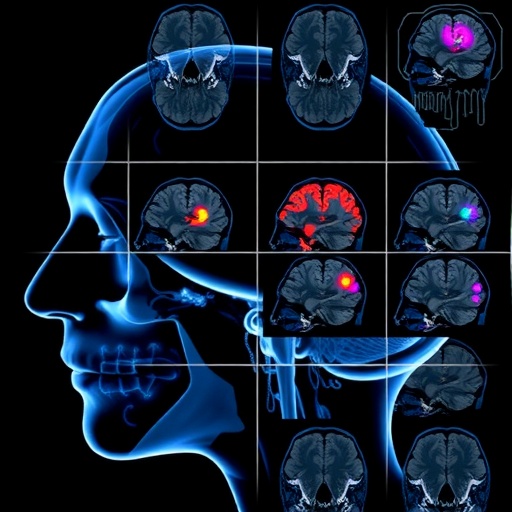
In the ongoing pursuit of breakthroughs in healthcare, particularly in the realm of neurodegenerative diseases, a novel approach has recently emerged. Researchers, including Biswas, Hasan, and Islam, have unveiled a groundbreaking study on Alzheimer’s detection, harnessing the power of machine learning alongside advanced techniques like Synthetic Minority Over-sampling Technique (SMOTE) and optimized hyperparameter tuning. This study not only marks a significant advancement in this critical field but also underscores the potential for artificial intelligence (AI) to play an increasingly pivotal role in medical diagnostics.
Alzheimer’s disease, a progressive neurodegenerative disorder, represents a significant challenge for both patients and healthcare systems worldwide. Its complex pathology and gradual onset make early detection paramount, as it facilitates timely intervention and better management of symptoms. The traditional diagnostic methods often fall short, leading to calls for more accurate and efficient detection methods. This is where the study by Biswas and colleagues steps in, offering a fresh perspective by employing machine learning algorithms tailored for performance optimization.
One of the standout aspects of this research is the use of SMOTE, a novel technique that addresses the common issue of class imbalance in machine learning datasets. This imbalance arises when one class of data, in this case, healthy individuals, far outnumbers the class representing Alzheimer’s patients. SMOTE works by generating synthetic samples of the minority class, enhancing the learning process and resulting in models that are more sensitive to signs of Alzheimer’s. By incorporating this technique, the researchers were able to improve the statistical power of their models, ensuring that early symptoms of Alzheimer’s were more likely to be accurately classified.
Furthermore, the researchers utilized randomized hyperparameter tuning, a sophisticated method that fine-tunes the parameters of the machine learning models to achieve optimal performance. Hyperparameters, which are external configurations set before the learning process begins, play a crucial role in determining how well a model learns from the data. By employing randomized tuning, the study was able to explore a diverse range of hyperparameter combinations, leading to significantly enhanced model accuracy in distinguishing between individuals with and without Alzheimer’s.
The results of the study are promising, illustrating a marked improvement in diagnostic accuracy compared to conventional methods. The machine learning model developed by the researchers yielded impressive metrics, indicating that it could correctly identify Alzheimer’s patients with high sensitivity and specificity. In a clinical setting where misdiagnosis can lead to devastating consequences, these findings are nothing short of revolutionary. They provide a strong foundation for the future deployment of AI-driven diagnostic tools in routine examinations.
Additionally, the implications of this research extend beyond mere detection. With the advent of AI technologies, there is potential for the development of personalized treatment plans tailored to the specific needs of Alzheimer’s patients. A machine learning framework that accurately identifies individuals with varying degrees of cognitive impairment opens doors to targeted therapies, possibly improving patient outcomes significantly. This study thus represents not merely an academic exercise but a pivotal moment toward improving the quality of life for millions affected by Alzheimer’s.
Moreover, the authors advocate for further research into the integration of such machine learning systems within existing healthcare frameworks. The practical application of this technology could transform how clinicians approach diagnosis and treatment, ultimately bridging the gap between advanced technology and patient care. As the study suggests, combining AI with healthcare presents an opportunity to enhance early intervention strategies, providing a fighting chance against the ravaging effects of Alzheimer’s disease.
Interestingly, the methodology and findings of the study are not just applicable to Alzheimer’s disease alone. The techniques employed can potentially be adapted to other medical fields where early diagnosis is crucial. From cardiovascular diseases to various cancers, the synthesis of machine learning and medical diagnostics holds vast potential. This versatility may usher in an era where hyper-personalized medicine becomes the norm, further shaping the landscape of healthcare technology.
As the AI field continues to evolve, the need for ethical considerations remains paramount, especially in healthcare applications. The researchers emphasize the importance of responsible AI practices, highlighting that while technology can assist in detection, human oversight is essential in every step of the diagnostic process. Collaboration between data scientists, clinicians, and ethicists is vital to ensure that advancements in machine learning align with the overarching goal of patient-centered care.
In conclusion, this study by Biswas and his team serves as a beacon of hope in the realm of Alzheimer’s detection. With enhanced performance-driven methodologies incorporating machine learning, healthcare professionals can look forward to more accurate and timely diagnoses that could drastically improve patient outcomes. The integration of advanced techniques like SMOTE and hyperparameter tuning lays the groundwork for a future where AI-driven methodologies are commonplace in diagnosing and treating neurodegenerative diseases. As we stand on the brink of this promising frontier, the collaboration of various disciplines will undoubtedly play a crucial role in shaping the future of healthcare.
As researchers continue to refine the methods and expand on the findings, the general public eagerly anticipates the day when machine learning and AI can be fully integrated into everyday medical diagnostics, paving the way for revolutionary changes in how we approach chronic diseases like Alzheimer’s.
Subject of Research: Detection of Alzheimer’s Disease Using Machine Learning
Article Title: Performance-optimized Alzheimer’s detection using machine learning with SMOTE and randomized hyperparameter tuning
Article References:
Biswas, J., Hasan, M.N., Islam, M.M.U. et al. Performance-optimized Alzheimer’s detection using machine learning with SMOTE and randomized hyperparameter tuning.
Discov Artif Intell (2026). https://doi.org/10.1007/s44163-025-00758-z
Image Credits: AI Generated
DOI:
Keywords: Alzheimer’s Disease, Machine Learning, SMOTE, Hyperparameter Tuning, Medical Diagnostics, AI in Healthcare
Tags: advanced healthcare technologiesAlzheimer’s disease detectionartificial intelligence in medical researchbreakthroughs in Alzheimer’s researchchallenges in Alzheimer’s diagnosisclass imbalance in machine learningearly detection of Alzheimer’shyperparameter tuning in AImachine learning in healthcareneurodegenerative disease diagnosticsoptimized algorithms for disease detectionsynthetic minority over-sampling technique