


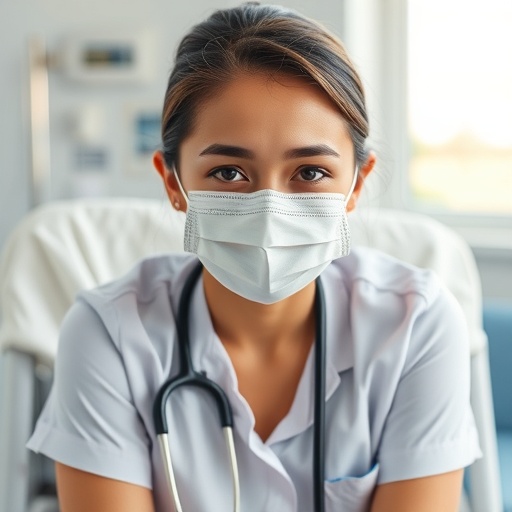
In the wake of the global pandemic, a profound shift has occurred in the landscape of education, particularly in nursing programs. A recent study titled “Bioecological attributes of learning adaptation among nursing freshmen during pandemic-induced isolation: a latent profile analysis” by Huang et al. explores how these unprecedented conditions have impacted the learning trajectories of nursing students. With nursing education being critical to health care systems worldwide, understanding the nuances of learning adaptation during these times is essential.
The research conducted by Huang and colleagues delves into the bioecological framework of learning adaptation, revealing how individual, relational, and contextual factors interacted during periods of isolation caused by pandemic protocols. Primarily, it highlights how nursing freshmen, often vulnerable as new entrants in a demanding field, navigated a world that shifted abruptly from in-person learning to remote environments. This transition posed numerous challenges, but the findings suggest that it also fostered certain adaptive traits among students.
In the first phase of the study, the researchers employed latent profile analysis to identify different patterns of adaptation to remote learning among students. This methodology allowed them to cluster nursing freshmen into specific profiles based on their adaptation strategies. The resulting classifications shed light on the varying degrees of resilience and support-seeking behavior exhibited by these students—a critical insight for educators and policy-makers looking to enhance nursing education.
One of the pivotal findings of the study is the importance of social connections. Students who maintained robust social networks, even within the constraints of remote learning, reported significantly better adaptation outcomes. This reinforces the notion that community and peer engagement are essential components of effective learning, particularly in a field as inherently collaborative as nursing. The emotional and psychological support that peers bring can substantially buffer against the isolation students felt during this period.
Moreover, the research emphasizes the role of technology as both a facilitator and a barrier in the remote learning experience. While many nursing students adapted by leveraging digital resources, others faced challenges that hindered their academic performance. The disparity in technological access and proficiency among students highlights the equity issues within education systems, urging stakeholders to address these gaps to ensure more equitable learning experiences in the future.
The findings reflect broader trends observed throughout the educational landscape during the pandemic. Students across various disciplines encountered similar hurdles, yet nursing students faced unique challenges tied directly to clinical competencies essential for their future careers. The transition to virtual simulations and online clinical experiences raised questions about the adequacy of practical training during a time when hands-on skills were paramount.
Furthermore, the study points out the significant psychological toll that prolonged isolation can have on students. Nursing education is inherently high-stress, and the added layer of uncertainty and isolation was particularly taxing. The research highlights the need for psychological support systems within educational institutions, showcasing how counseling services and wellness programs can play a vital role in aiding student success.
Interestingly, the research found that students who engaged in proactive behaviors—such as reaching out for help or seeking academic resources—exhibited more effective adaptation profiles. This suggests that promoting a proactive mindset could be beneficial for nursing students, equipping them with tools to navigate challenges not only during their education but throughout their careers. Educators should consider integrating training that encourages proactive student behaviors into nursing curricula.
As we consider the implications of this study, it is essential to acknowledge the changing nature of nursing education. The pandemic has catalyzed a re-examination of conventional teaching methods and curriculum designs. Educational leaders are now faced with the opportunity to innovate and advance nursing education by incorporating lessons learned from the pandemic experience.
In conclusion, the impacts of pandemic-induced isolation on nursing freshmen provide critical insights into adaptation strategies that can inform future educational practices. This study serves as a reminder of the resilience inherent in students while also highlighting the areas where support is crucial for their success. As we move forward, embracing flexibility, community engagement, and comprehensive support systems will be essential in fostering not just competent nursing professionals but also well-rounded individuals prepared for the complexities of the healthcare sector.
The study sheds light on crucial adaptations that nursing schools must undertake to provide an optimal learning environment in the face of disruptive events. As the field evolves, continuous research will be vital in ensuring that nursing education remains robust, equitable, and responsive to the needs of students. The lessons drawn from such research are invaluable and may shape the future of health care education profoundly.
In sum, as the world continues to navigate through the aftershocks of the pandemic, ongoing discourse regarding educational frameworks will be paramount. The insights offered by Huang et al. pave the way for necessary changes, ensuring that nursing freshmen—like their predecessors—receive the comprehensive training they need to thrive in an ever-changing healthcare landscape.
By examining the bioecological attributes that influence learning adaptation, this study contributes significantly to the body of literature on nursing education and offers actionable pathways toward improved student outcomes. The research calls for a collaborative approach, urging stakeholders from policymakers to educators to engage in thoughtful discourse and constructive action to support nursing students comprehensively.
Subject of Research: Nursing education adaptation during pandemic isolation
Article Title: Bioecological attributes of learning adaptation among nursing freshmen during pandemic-induced isolation: a latent profile analysis
Article References:
Huang, H., Luo, Y., Huang, Q. et al. Bioecological attributes of learning adaptation among nursing freshmen during pandemic-induced isolation: a latent profile analysis.
BMC Nurs (2026). https://doi.org/10.1186/s12912-025-04261-9
Image Credits: AI Generated
DOI:
Keywords: Nursing education, pandemic adaptation, online learning, student resilience, bioecological framework
Tags: bioecological framework of learningcontextual influences on learningimpact of isolation on nursing freshmenlatent profile analysis in educationlearning adaptation in nursing studentsnursing education during pandemicnursing students’ adaptive traitspandemic-induced changes in educationrelational factors in nursing educationremote learning challenges in nursingstrategies for nursing students during isolationunderstanding nursing education transitions


