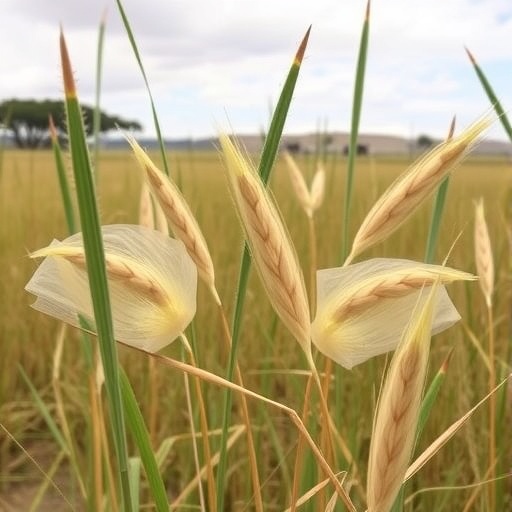
In the vast and dynamic realm of plant genetics, the Sahel savanna of Nigeria has emerged as an intriguing location for crop research, particularly within the Poaceae family. The recent study conducted by Anakaa, Adi, and Umar has shed light on the genetic characteristics of four significant species of this plant family, which holds extensive agricultural importance. This research not only contributes to the understanding of quantitative traits in these species but also opens avenues for improved agricultural practices that are crucial for the region’s economy and food security.
The Poaceae family, commonly known as the grass family, encompasses a diverse range of species that are fundamental to human nutrition and livestock feed. In the Sahel region, these grasses thrive in arid and semi-arid conditions, facing various environmental stresses such as drought and nutrient depletion. Understanding the genetic makeup of these species is vital for developing varieties that are resilient to such challenges. The authors of this study embarked on a comprehensive analysis of four distinct Poaceae species, targeting crucial quantitative traits that influence their growth and adaptability.
Through rigorous field studies and laboratory analyses, the researchers sought to identify and quantify specific genetic traits that could elevate the agronomic potential of these grasses. Seed traits, including size, weight, and germination capacity, were meticulously measured across the four species. These quantitative traits serve as vital indicators of plant fitness, influencing not only how well they can grow in challenging conditions but also their overall productivity when cultivated. This interplay between genetics and environmental adaptation is central to breeding strategies aimed at improving local species.
Moreover, the study employed molecular techniques that enabled the researchers to delve beneath the surface of observable traits, identifying genetic markers that correlate with desirable qualities such as drought resistance and nutrient use efficiency. The significance of these findings cannot be overstated; as global climate change continues to challenge agricultural systems, the need for crops capable of thriving in less-than-ideal conditions grows ever more pressing. The identification of such markers provides a toolbox for future breeding programs, enabling scientists to select for resilience traits more effectively.
Notably, the research emphasizes the importance of local genetic resources, which can often be overlooked in favor of commercially bred varieties. By focusing on the indigenous Poaceae species of the Sahel, the authors highlight the need to conserve these genetic resources and integrate them into modern agricultural practices. This integration can lead to the development of crop varieties that not only meet the needs of farmers but also maintain the ecological integrity of the region.
The experimental design of the study was meticulously constructed, ensuring that the findings would contribute valuable insights to the field of plant genetics. Selective breeding strategies based on comprehensive genetic characterization can significantly enhance seed performance, thus supporting the livelihoods of countless farmers in the Sahel. The systematic approach taken by the authors is likely to resonate with agricultural researchers and practitioners alike, urging them to consider the genetic potential that lies within indigenous species.
In the context of food security, the implications of this research extend far beyond the immediate agricultural benefits. As communities in the Sahel region increasingly confront climate instability, the creation of robust, adaptable crops becomes a necessity. This study not only highlights specific genetic traits that may confer resilience but also encourages a broader dialogue about sustainable agricultural practices and biodiversity conservation.
Furthermore, the plant breeding landscape is evolving rapidly with advancements in biotechnological tools. The integration of molecular data with traditional breeding techniques could allow for the rapid development of new cultivars that are not only productive but also environmentally sustainable. The call for a more genetically informed approach to breeding within the Sahel is a critical takeaway from this research. As the knowledge of genetic traits expands, the potential for creating crops that can withstand extreme weather patterns is within reach.
The analysis of these four Poaceae species serves as a testament to the importance of plant genetic diversity. Each species possesses unique traits that can contribute to a more resilient agricultural system capable of withstanding the pressures of climate change. The insights gleaned from this study provide a greater understanding of how these species interact with their environment, leading to holistic strategies that benefit the entire ecosystem.
In summary, the study by Anakaa, Adi, and Umar presents pioneering findings that could reshape the landscape of agriculture in the Sahel region and beyond. The genetic characterization of Poaceae species highlights the untapped potential within indigenous flora, urging researchers and policymakers to prioritize the genetic resources available. By fostering a deeper understanding of plant genetics, we can build a more sustainable future for agriculture that aligns with both ecological and economic goals.
As this research progresses, it will be fascinating to see how the agricultural community adopts these findings. The pathway to sustainable food systems is undoubtedly intricate, yet studies like this illuminate the way forward. By harnessing the power of genetics, we can ensure that crops not only survive but thrive as we adapt to an ever-changing world.
The implications of genetic research in agriculture are vast, and they open up discussions about how we can best utilize our planet’s resources. With ongoing research and a commitment to innovation, we hold the key to transforming our agricultural practices for generations to come. The future of food security and environmental stewardship is intertwined, and the understanding gained from this study is a significant step in the right direction.
As we look ahead, the critical role played by genetic diversity in our crops will only become more pronounced. The findings from this research serve as both an inspiration and a call to action, urging all stakeholders to engage with the importance of genetic research in agriculture. The progress made in the Sahel could very well serve as a model for similar efforts in other regions facing comparable challenges.
In conclusion, the genetic characterization of Poaceae species in Nigeria’s Sahel savanna represents a crucial advancement in our understanding of plant genetics and agricultural resilience. By recognizing the importance of these indigenous species, we can propel forward sustainable agricultural practices that honor both the environment and the people who depend on it.
Subject of Research: Genetic characterization of quantitative traits in Poaceae species seeds.
Article Title: Genetic characterization on quantitative traits of four Poaceae species seeds in the Sahel savanna ecology of Nigeria.
Article References:
Anakaa, T.M., Adi, B.A. & Umar, A. . Genetic characterization on quantitative traits of four Poaceae species seeds in the Sahel savanna ecology of Nigeria.
Discov. Plants 3, 2 (2026). https://doi.org/10.1007/s44372-025-00461-4
Image Credits: AI Generated
DOI: https://doi.org/10.1007/s44372-025-00461-4
Keywords: Poaceae, Genetics, Agricultural Resilience, Sahel Savanna, Food Security, Climate Adaptation, Plant Breeding, Indigenous Species.
Tags: agricultural practices in arid regionscrop research in Nigeriadrought-resistant grass varietiesenvironmental stresses on grass speciesfood security in Nigeriagenetic characteristics of Poaceae speciesgenetic insights for crop improvementlivestock feed and nutritionPoaceae family importancequantitative traits in grassesSahel savanna agriculturesustainable agriculture in savanna ecosystems