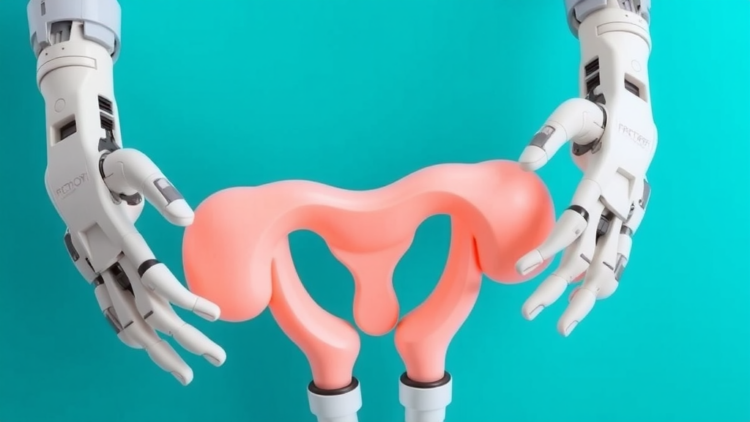
In a groundbreaking study published in the prestigious journal J Ovarian Research, researchers, led by Deligiannis, S.P., explore the intricate relationship between high-dose irradiation and its devastating effects on human primary ovarian cells. The significance of this research lies in its potential to unveil the complex biological mechanisms that govern cell adhesion and the formation of Silk-Ovarioids—structures that mimic the ovarian microenvironment. This research not only elucidates the cellular response to radiation but also raises pertinent questions about the implications for reproductive health in women who undergo such treatments.
High-dose irradiation is often used in cancer therapies, aimed at eradicating malignant cells. However, this aggressive strategy can lead to collateral damage to adjacent healthy tissues, including reproductive cells. In the context of ovarian health, the team investigates how these high doses disrupt critical cellular functions. This enquiry is essential as it expands the landscape of knowledge concerning the toxic effects of radiation in reproductive biology, particularly regarding fertility preservation and reproductive options for cancer survivors.
The study meticulously details the methodology employed to assess the impact of irradiation on human primary ovarian cells. The researchers subjected these cells to a rigorously controlled high-dose irradiation protocol. Following exposure, they employed advanced imaging techniques and cellular assays to evaluate cell adhesion properties. This analysis serves as a vital benchmark for understanding how radiation affects cell-to-cell interactions that are quintessential for tissue integrity and function.
Cell adhesion is not merely a structural feature; it plays an essential role in the overall health and functioning of cellular systems. The disruption of adhesion properties can lead to a cascade of pathological consequences—ranging from impaired tissue architecture to compromised cellular signaling pathways. The findings of Deligiannis et al. illuminate how high-dose irradiation compromises these adhesion mechanisms, posing significant risk factors for ovarian health. The research lays the groundwork for a deeper understanding of how therapeutic modalities can be optimized to minimize such adverse effects.
The researchers also introduce the innovative concept of Silk-Ovarioid formation in their study. Silk-Ovarioids are engineered biomimetic constructs intended to emulate the ovarian microenvironment for various experimental and therapeutic applications. These constructs are of considerable importance in reproductive engineering and infertility treatments. However, the study concludes that high-dose irradiation catastrophically disrupts the intricate processes that allow for the formation of these structures, thus jeopardizing their potential utility in reproductive medicine.
The implications of these findings extend beyond just the immediate toxicological effects of radiation on ovarian cells. With a growing number of women diagnosed with cancer, understanding the nuances of how cancer treatment impacts reproductive health is crucial. This research provides valuable insights that could lead to improved radiation protocols that spare ovarian function, ultimately affording cancer survivors better reproductive options in the future.
Equally alarming is the potential long-term repercussions of high-dose irradiation on ovarian reserve and functionality. By demonstrating severe degradation in the cellular mechanisms responsible for maintaining ovarian health, the authors underscore a critical need for oncology practices to take reproductive considerations into account when formulating treatment plans. This synergy between oncology and reproductive medicine is an emergent field, and studies like this one provide the necessary empirical data to facilitate these collaborations.
Deligiannis and their team also delve into the cellular signaling mechanisms that may mediate the effects of irradiation. The research draws connections to oxidative stress responses and the role of various signaling pathways that govern cell survival, proliferation, and apoptosis post-irradiation. Understanding these pathways is crucial for identifying potential therapeutic targets that might mitigate the damaging effects of radiation on ovarian health.
As the research progresses, it opens the door to future investigations focused on protective strategies against radiation-induced damage. Potential avenues of research could include the administration of antioxidants or molecular inhibitors that could bolster ovarian cell resilience in the face of high-dose irradiation. Such strategies might pave the way for clinical protocols that are more considerate of patients’ future reproductive potential.
The study takes a step further by identifying gaps in the current understanding of high-dose radiation’s effects in a broader context, including differences across demographics such as age and preexisting health conditions. This consideration could lay the foundation for more personalized treatment plans that account for individual patient factors, ultimately enhancing the quality of care in oncology.
In conclusion, the research presented by Deligiannis et al. represents a significant advancement in our understanding of how high-dose irradiation disrupts critical functions in human primary ovarian cells. This study contributes to an evolving dialogue around reproductive health in the wake of cancer treatments, highlighting the necessity for integrative approaches that consider the long-term impacts of aggressive therapies on women’s health.
As we navigate the intricacies of radiation therapy and its multifaceted effects on human biology, it becomes increasingly evident that this research not only benefits the scientific community but also directly impacts women’s health and reproductive choices in the realms of oncology and beyond.
Subject of Research: Effects of high-dose irradiation on human primary ovarian cells.
Article Title: Acute high-dose irradiation disrupts cell adhesion and Silk-Ovarioid formation in human primary ovarian cells.
Article References:
Deligiannis, S.P., Li, T., Moussaud-Lamodière, E. et al. Acute high-dose irradiation disrupts cell adhesion and Silk-Ovarioid formation in human primary ovarian cells. J Ovarian Res (2026). https://doi.org/10.1186/s13048-025-01932-8
Image Credits: AI Generated
DOI: 10.1186/s13048-025-01932-8
Keywords: high-dose irradiation, ovarian cells, cell adhesion, Silk-Ovarioids, reproductive health, cancer therapy, oxidative stress, signaling pathways, fertility preservation, reproductive options.
Tags: advanced imaging techniques in researchcancer treatment collateral damagecellular response to radiationfertility preservation researchhigh-dose irradiation effectsovarian cell adhesion disruptionovarian microenvironment simulationprimary ovarian cells studyradiation impact on reproductive biologyreproductive health implicationsSilk-Ovarioids formationwomen’s health and cancer