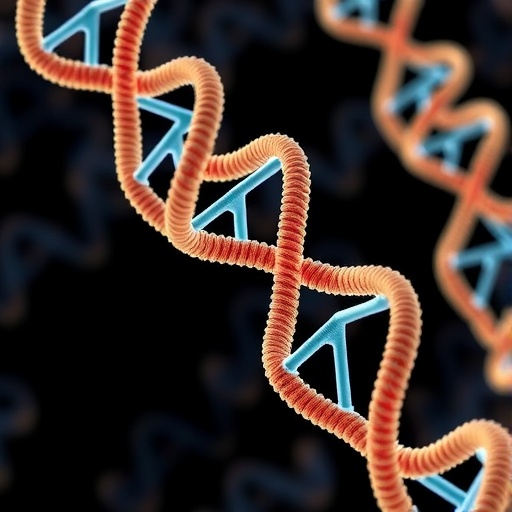
Cohesin, a pivotal player in the realm of genome organization, has garnered much attention due to its multifaceted roles in critical biological processes. As a member of the structural maintenance of chromosomes (SMC) protein-complex family, cohesin is essential for the spatial organization of DNA within the nucleus, thereby influencing gene regulation, aiding in recombination, facilitating DNA repair, and ensuring accurate chromosome segregation during cell division. Its ability to fold DNA and facilitate various interactions marks it as a crucial component in the orchestration of genomic architecture.
One of the standout features of cohesin is its ability to physically bind sister chromatids together, a process termed sister chromatid cohesion. This mechanism proves vital during the cell cycle, particularly in ensuring that duplicated chromosomes are aligned correctly for segregation. Unlike other SMC proteins, cohesin exhibits a unique secondary function that underscores its importance in both mitotic and meiotic divisions. This dual role not only simplifies chromosome management during cell cycles but also creates avenues for exploration into the intricate interactions between DNA and protein complexes in eukaryotic cells.
The relevance of sister chromatid cohesion can be attributed specifically to its relationship with two distinct pools of cohesin, each associated with unique regulatory subunits. These two pools share a core set of subunits yet perform diverging roles in interacting with chromosomes. The distinct regulatory mechanisms suggest that cohesin must be finely tuned to respond appropriately to varying cellular contexts. This diversity in functionality highlights the evolutionary significance of cohesin and its capacity to adapt to distinct genomic environments, thereby maintaining both structural integrity and functionality.
At the heart of cohesin’s operational framework is the process known as loop extrusion, whereby cohesin actively moves along the DNA, creating loops that facilitate interactions between distant genomic elements. Through a motor-driven mechanism, cohesin dynamically shapes the three-dimensional organization of the genome. This loop extrusion process is critical for gene regulation, allowing for the spatial proximity of enhancers to their target promoters, thereby modulating gene expression patterns in response to cellular signals.
Moreover, the interplay between sister chromatid cohesion and loop extrusion underscores a sophisticated relationship vital for maintaining genomic stability. The establishment and maintenance of cohesion are carefully regulated to prevent premature separation of chromatids. Any disruption in this balance may result in aneuploidy, where cells possess an abnormal number of chromosomes, a condition seen in various cancers and genetic disorders. The need for strict regulation and coordination of these processes cannot be overstated, as they are foundational to the preservation of genomic integrity across generations.
Researchers have increasingly focused on elucidating the mechanisms behind the establishment of sister chromatid cohesion. Initial binding of cohesin to chromosomes takes place during the S phase of the cell cycle, aided by specific recruitment factors. These factors orchestrate the loading of cohesin onto chromosomes, a process tightly regulated by factors such as WAPL and PDS5, which help modulate the cohesin’s activity and its association with chromatin. Once cohesin is in position, it must be maintained throughout the cell cycle, ensuring that cohesin rings hold sister chromatids together until they are ready to be separated during mitosis.
Recent advances in imaging technologies have opened new frontiers for investigating cohesion and chromosome conformation. Techniques such as high-resolution live-cell imaging and super-resolution microscopy provide unprecedented insights into the dynamics of cohesin and chromatin interactions. These tools allow researchers to visualize the behavior of cohesin complexes in real-time, fostering a deeper understanding of their function in various biological contexts. The ability to visualize chromatin loops and the conformation of replicated chromosomes has revolutionized our understanding of genomic architecture and regulation.
In addition to its role in division, cohesin is crucial for the repair of DNA double-strand breaks (DSBs), a common form of genomic insult that can arise from various endogenous and exogenous sources. By facilitating the alignment and coordination of repair machinery at DSB sites, cohesin ensures that proper repair processes can occur. This role intertwines cohesin’s function in DNA repair with its orchestration of sister chromatid cohesion, contributing to the overall stability and resilience of the genome.
Furthermore, the aging process has been shown to impact cohesin function, particularly concerning oocyte quality and fertilization outcomes in females. Age-related declines in cohesin function can lead to increased rates of aneuploidy in oocytes, resulting in complications during fertilization and development. Understanding the molecular underpinnings of this phenomenon is essential for developing potential interventions that could mitigate risks associated with advanced maternal age, ultimately enhancing reproductive health.
Collectively, the implications of cohesin research extend beyond the confines of basic biology; they touch on the realms of disease, aging, and therapeutic interventions. Insights gleaned from cohesin studies provide fertile ground for understanding the specific mechanisms that underlie various genetic disorders and cancers. As researchers continue to develop new tools and methodologies to delve deeper into cohesin biology, opportunities to translate these findings into clinical applications will likely emerge.
In summary, the study of cohesin’s role in chromosome organization exemplifies the intricate dance of molecular players that governs life at the cellular level. From its dual function in sister chromatid cohesion and loop extrusion to its critical involvement in DNA repair and aging-related aneuploidy, cohesin stands as a testament to the complexity and elegance of genomic regulation. As ongoing research sheds light on these multifaceted roles, it promises to unveil further layers of understanding about the essentials of genome organization and stability.
Subject of Research: Cohesin and its role in genome organization, sister chromatid cohesion, gene regulation, and DNA repair.
Article Title: Organization of replicated chromosomes by DNA loops and sister chromatid cohesion.
Article References:
Ochs, F., Gerlich, D.W. Organization of replicated chromosomes by DNA loops and sister chromatid cohesion.
Nat Rev Mol Cell Biol (2026). https://doi.org/10.1038/s41580-025-00933-1
Image Credits: AI Generated
DOI:
Keywords: Cohesin, Sister Chromatid Cohesion, Genome Organization, Loop Extrusion, DNA Repair, Aneuploidy, Chromosome Segregation.
Tags: chromosome segregation mechanismscohesin protein complexcohesin’s role in recombinationDNA organization in the nucleusDNA repair and cohesin functioneukaryotic cell divisiongene regulation and cohesingenomic architecture and organizationmitotic and meiotic divisionsregulatory subunits of cohesinsister chromatid cohesionstructural maintenance of chromosomes