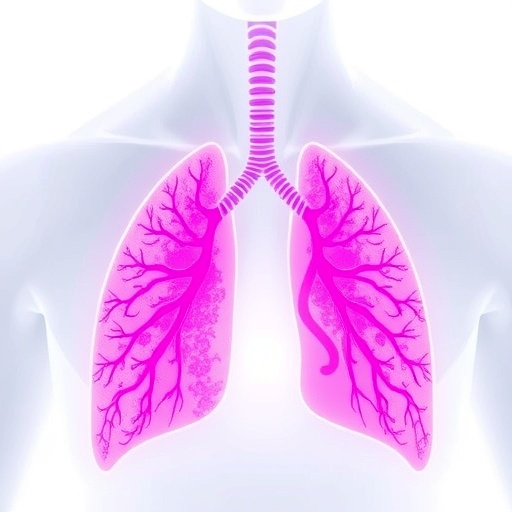
In recent years, the global health landscape has faced a myriad of challenges, particularly in the realm of respiratory diseases. Among these, progressive fibrotic interstitial lung diseases (PF-ILD) have emerged as a significant concern, primarily due to their rising prevalence and profound impact on patient quality of life. In 2025, a pivotal study conducted by Sasikumar and Patidar sheds light on the intricacies of PF-ILD within the Indian context, extending its implications to global health policies. The authors meticulously detail the national challenges faced by India, providing a clarion call for comprehensive strategies to address this escalating health crisis.
Progressive fibrotic interstitial lung diseases encompass a range of conditions characterized by scarring of lung tissue, which leads to a gradual decline in pulmonary function. The complexity of these diseases is compounded by their heterogeneous nature, which presents significant barriers to diagnosis and treatment. The study underscores that in a nation like India, where healthcare resources can be scarce, these challenges are exacerbated. The authors emphasize that a greater understanding of PF-ILD is critical, but they also highlight a concerning gap in awareness and resources that hampers effective management.
Indian healthcare faces significant hurdles, including insufficient diagnostic facilities, inadequate training for healthcare professionals, and a lack of awareness about these diseases among patients. These factors culminate in delayed diagnoses, often exacerbating patient outcomes and increasing mortality rates. The authors stress that early diagnosis is critical for halting disease progression and improving prognoses. Thus, an urgent need emerges for structured training protocols for healthcare providers to enhance their ability to recognize and manage PF-ILD promptly.
A key aspect of the study is its exploration of the socio-economic impact of PF-ILD in India. The financial burden of chronic lung diseases is notoriously high, constraining both individual families and the healthcare system as a whole. Many patients rely on out-of-pocket expenditures, which can plunge them into financial despair. The authors advocate for policy reforms that would alleviate this fiscal strain, suggesting that greater government investment in healthcare infrastructure is essential. They propose that improved health financing mechanisms could facilitate access to diagnostic services and novel treatments.
Furthermore, Sasikumar and Patidar discuss the potential implications of PF-ILD on India’s broader public health landscape. The disease not only impacts those diagnosed but also extends its repercussions to industries, especially those suffering from labor shortages due to health-related absenteeism. As such, the authors argue for a multifaceted approach to public health that integrates PF-ILD management into broader well-being initiatives. They suggest that addressing these diseases could lead to enhanced workforce productivity, ultimately benefiting India’s economic landscape.
The paper also emphasizes the importance of research and data collection regarding PF-ILD. Currently, there is a marked lack of epidemiological data detailing the prevalence and demographic distribution of these diseases in India. By advocating for government-supported research initiatives, the authors aim to cultivate a more robust body of knowledge surrounding PF-ILD. This data could be invaluable for developing targeted interventions and informing policymakers as they craft response strategies.
The relationship between environmental factors and the development of PF-ILD is also scrutinized. India faces several air quality challenges, with pollutants and toxic exposures likely contributing to the burden of respiratory diseases. The authors call for urgent action to combat pollution and mitigate its health consequences. They suggest that rising awareness of environmental health factors can lead to public support for regulatory changes focused on improving air quality, which could, in turn, lessen the incidence of PF-ILD.
In addressing global health policies, the authors contend that the Indian experience with PF-ILD can serve as a case study for other nations grappling with similar issues. By underscoring the need for international collaboration, they posit that sharing knowledge, resources, and strategies across borders can lead to heightened awareness and improved management of PF-ILD globally. The challenges faced in India are not unique; hence, there is a pressing need for a united front in tackling these pulmonary diseases.
Moreover, the role of patient advocacy is highlighted as crucial for driving change in healthcare policies. Sasikumar and Patidar argue that empowering patients through education can bolster awareness and ensure that their voices are heard in policy discussions. Aerating these issues within the community can encourage a grassroots movement to push for better healthcare access and improved resource allocation for PF-ILD management.
In synthesizing their findings, the authors stress the imperativeness of an integrated approach to healthcare that prioritizes the interconnection between communicable and non-communicable diseases. PF-ILD challenges reflect broader systemic issues within India’s health frameworks, highlighting the need for comprehensive policies that address not just the symptoms of these diseases, but also the root causes. The consequences of ignoring such ailments are far-reaching, affecting individual lives and straining public health systems.
Finally, as the study concludes, Sasikumar and Patidar make an urgent appeal for a transformation in the public and private healthcare sectors within India. They propose specific frameworks for early intervention, continuous training for healthcare professionals, and the establishment of specialized centers dedicated to the management of PF-ILD. By setting a precedent for collaboration among various stakeholders, including governments, non-profits, and private enterprises, India could become a model for effective healthcare reforms addressing PF-ILD and similar health crises globally.
The authors convey a clear message: tackling the challenges posed by PF-ILD in India is not solely a national concern but a global imperative. Such diseases transcend borders and affect international health dynamics. Thus, as countries strive to meet the Sustainable Development Goals, integrating PF-ILD management into global health policies becomes an essential step in safeguarding health for future generations.
Ultimately, the study by Sasikumar and Patidar serves not only as a foundational examination of PF-ILD in India but also as a rallying cry for change in global health practice. It highlights urgent actions needed to address the burgeoning epidemic of progressive fibrotic interstitial lung diseases, echoing a sentiment that with collective effort, progress can be achieved.
Subject of Research: Progressive fibrotic interstitial lung diseases in India
Article Title: Progressive fibrotic interstitial lung diseases in India: national challenges and implications for global health policies
Article References:
Sasikumar, S., Patidar, S. Progressive fibrotic interstitial lung diseases in India: national challenges and implications for global health policies.
Health Res Policy Sys (2025). https://doi.org/10.1186/s12961-025-01425-6
Image Credits: AI Generated
DOI: 10.1186/s12961-025-01425-6
Keywords: Progressive fibrotic interstitial lung diseases, India, global health policies, respiratory diseases, healthcare challenges, early diagnosis, patient advocacy, air quality, public health, economic impact.
Tags: awareness gaps in lung diseasescomprehensive strategies for health crisesfibrotic lung diseases in Indiaglobal health challenges 2025healthcare resource scarcity in Indiaimproving pulmonary health in Indialung tissue scarring conditionsPF-ILD diagnosis and treatment barriersprogressive fibrotic interstitial lung diseasesrespiratory diseases impacttraining healthcare professionals for respiratory diseases