In a remarkable advancement in the field of regenerative medicine, a groundbreaking study has emerged, spotlighting the effectiveness of low-intensity pulsed ultrasound (LIPUS) as a pivotal tool for enhancing peripheral nerve regeneration. Conducted by a diverse team of researchers, this comprehensive investigation sheds light on the mechanobiological mechanisms underpinning peripheral nerve healing and the translational potential of ultrasound therapy in clinical applications. As nerve injuries and associated disabilities cast a shadow on millions of lives worldwide, this innovative approach may serve as a beacon of hope for patients suffering from nerve damage.
The human nervous system possesses an intrinsic capacity for self-repair, yet the regeneration of peripheral nerves remains a complex and often inefficient process. The severity of nerve injuries can vary dramatically, from minor compressions to severe transections, and conventional treatment options sometimes yield suboptimal results. The quest for novel therapies that can enhance peripheral nerve repair is ongoing, leading scientists to explore the use of low-intensity pulsed ultrasound as a non-invasive alternative for stimulating nerve regeneration.
The researchers began their study by meticulously examining the mechanobiological effects of LIPUS on Schwann cells, which play a critical role in nerve regeneration. Schwann cells are responsible for myelinating axons, guiding nerve regeneration, and secreting growth factors that facilitate healing. Through a series of laboratory experiments, the team discovered that LIPUS stimulated Schwann cell proliferation, migration, and differentiation, thus fostering an environment conducive to nerve repair.
This study demonstrated that LIPUS modulates several signaling pathways within Schwann cells, most notably the MAPK/ERK pathway. Activation of this pathway promotes cell survival and enhances the cells’ regenerative capabilities, underscoring the potential of LIPUS as a catalyst for nerve healing. Researchers noted that the application of pulsed ultrasound led to a significant increase in the expression of essential growth factors, such as nerve growth factor (NGF) and brain-derived neurotrophic factor (BDNF), which are crucial in regeneration processes.
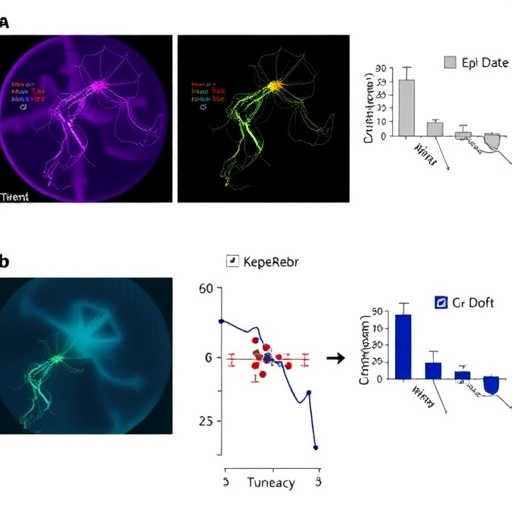
Moreover, the researchers also investigated the effects of LIPUS on the axonal growth of neurons. By employing advanced imaging techniques, they observed that exposure to LIPUS resulted in enhanced neurite outgrowth, a vital component of successful nerve regeneration. This is particularly significant, as promoting neurite extension can ultimately lead to better functional recovery following nerve injuries.
Another pivotal aspect of the study was the exploration of the optimum parameters for LIPUS application, such as frequency, intensity, and duration. The researchers established a specific protocol that maximized the reparative effects while minimizing any potential adverse reactions. This meticulous optimization is essential for translating laboratory findings into practical clinical applications, ensuring that patients receive the most effective treatment.
As the research progressed, the team recognized the importance of understanding the systemic effects of LIPUS beyond the cellular level. They delved into the impact of ultrasound on the overall microenvironment surrounding the injured nerve, examining factors such as inflammation, vascularization, and extracellular matrix remodeling. Their results indicated that LIPUS application might reduce inflammatory responses and promote angiogenesis, both of which are critical for successful nerve repair.
The potential clinical implications of these findings cannot be overstated. With a growing aging population and an increasing incidence of nerve injuries, effective treatment options are urgently needed. The non-invasive nature of LIPUS therapy positions it as a viable alternative to surgical interventions, offering patients a safer, more accessible option. Additionally, the portability and ease of ultrasound devices could facilitate use in outpatient settings, democratizing access to cutting-edge regenerative treatments.
The excitement surrounding LIPUS therapy extends to the scientific community and medical practitioners alike, prompting discussions about combining ultrasound treatment with other therapeutic modalities. Future studies may explore synergistic effects between LIPUS and traditional physical rehabilitation techniques or nerve grafts, potentially amplifying outcomes for patients facing nerve injuries.
As the journey of this groundbreaking research unfolds, the authors emphasize the importance of further investigations in clinical settings. While the mechanobiological mechanisms elucidated in this study provide a compelling foundation, comprehensively assessing the efficacy of LIPUS in human subjects is crucial. Such studies will illuminate its transformative potential and may herald a new era in treating peripheral nerve injuries.
In conclusion, the comprehensive analysis and innovative methodology employed in this study underscore the promise of low-intensity pulsed ultrasound as a remarkable tool for advancing regenerative medicine. As ongoing research continues to unravel the intricacies of nerve healing, LIPUS therapy may one day become a cornerstone treatment, revolutionizing care for patients grappling with nerve damage. The scientific insights gleaned from this investigation serve as a testament to the power of interdisciplinary collaboration, potentially paving the way for novel therapeutic interventions that reshape the landscape of peripheral nerve regeneration and recovery.
In an era where technological advancements in medicine are rapidly evolving, the integration of modalities like LIPUS into treatment paradigms has the potential to significantly improve patient outcomes. As clinicians and researchers remain committed to exploring innovative strategies for nerve repair, the future of peripheral nerve regeneration looks increasingly promising. With continued dedication and research, solutions that enhance nerve healing and restore quality of life for millions may soon become reality.
Subject of Research: Low-Intensity Pulsed Ultrasound for Peripheral Nerve Regeneration
Article Title: Low-intensity pulsed ultrasound for peripheral nerve regeneration: mechanobiological mechanisms and translational potential.
Article References:
Huy Nguyen, N.D., Fan, CH., Huang, SH. et al. Low-intensity pulsed ultrasound for peripheral nerve regeneration: mechanobiological mechanisms and translational potential. J Transl Med (2025). https://doi.org/10.1186/s12967-025-07638-1
Image Credits: AI Generated
DOI: 10.1186/s12967-025-07638-1
Keywords: Low-Intensity Pulsed Ultrasound, Peripheral Nerve Regeneration, Mechanobiology, Schwann Cells, Growth Factors, Nerve Injury, Regenerative Medicine, Clinical Applications.
Tags: enhancing nerve regeneration techniqueslow-intensity pulsed ultrasound for nerve regenerationmechanobiological mechanisms in nerve healingneural repair and rehabilitation innovationsnon-invasive therapies for nerve injuriesnovel therapies for nerve injuriesperipheral nerve damage treatment optionsregenerative medicine advancements 2023Schwann cells in peripheral nerve repairultrasound effects on nerve cellsultrasound therapy in clinical applications