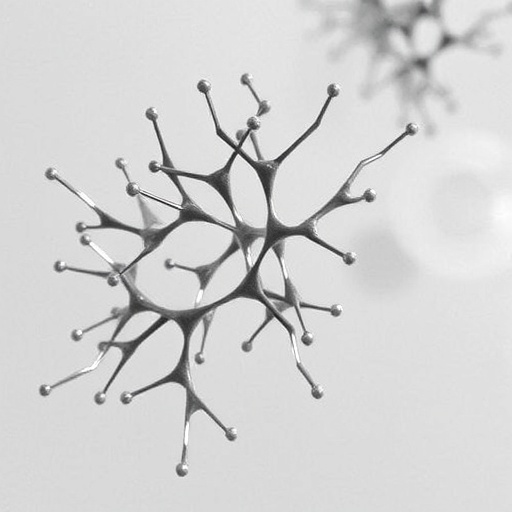
In a groundbreaking study set to redefine our understanding of bacterial pathogenesis, researchers have uncovered the pivotal role of the rhomboid protease GlpG in regulating the quality control of type 1 pili—microscopic hair-like structures critical for bacterial adhesion and virulence—in pathogenic Escherichia coli. This discovery, reported by Lu, Arutyunova, Hartley, and colleagues in Nature Communications (2025), elucidates a previously uncharacterized molecular mechanism by which E. coli orchestrates its infection strategy, offering new avenues for therapeutic intervention against a common and sometimes deadly pathogen.
Type 1 pili are adhesive appendages that allow E. coli to attach firmly to host tissues, initiating colonization and subsequent infection. These pili are essential for the bacteria’s ability to establish itself and evade the host’s immune defenses. The process by which the bacteria ensure the proper assembly and functionality of these pili has remained enigmatic—until now. This research shines a spotlight on GlpG, a rhomboid protease enzyme embedded in the bacterial membrane, demonstrating that it governs the quality control of these pili, which directly impacts how virulent the bacteria can become.
The study dives deep into the molecular architecture of GlpG, a member of the rhomboid family proteases recognized for their intramembrane proteolytic activity—meaning they cleave substrate proteins within the hydrophobic environment of the membrane itself. Such proteases have been implicated in diverse biological functions across species, yet their specific roles in bacteria have remained underexplored. By focusing on GlpG, the researchers illuminate its critical capacity to modulate pilus assembly by selectively cleaving misfolded or malfunctioning pilus subunits, thereby preventing the incorporation of defective units that could compromise bacterial adherence.
Using advanced genetic manipulation techniques, the team engineered E. coli strains with disrupted glpG genes and observed that these mutants exhibited a significant reduction in properly formed type 1 pili. This defective pilus formation subsequently impaired the bacterium’s ability to colonize host cells and diminished its virulence. This experimental phenotype underscored GlpG’s indispensable role in maintaining pilus assembly fidelity, acting as a quality control checkpoint during pilus biogenesis.
Moreover, the researchers employed cutting-edge structural biology approaches, including cryo-electron microscopy, to visualize GlpG interactions within the bacterial inner membrane. These structural insights unveil an elegant mechanism in which GlpG recognizes aberrant pilus proteins through specific transmembrane motifs, positioning them precisely for proteolytic cleavage. This selective targeting ensures that only properly folded pilus components are incorporated into the growing pilus fiber, a process paramount to the pathogen’s infectious cycle.
Beyond structural analyses, the team meticulously quantified the impact of GlpG function on E. coli’s infectivity both in vitro and in animal models. Their data showed that glpG-deficient strains were severely compromised in their ability to adhere to and invade epithelial cells, resulting in markedly attenuated infections in murine urinary tract infection models. This functional validation cements the enzyme’s central role in virulence and pinpoints it as a prospective target for antibacterial drugs.
The research also highlights the broader significance of intramembrane proteases in bacterial physiology. While rhomboid proteases like GlpG have been extensively studied in eukaryotic systems, particularly for how they regulate signaling pathways by cleaving membrane-bound substrates, this study elevates their importance in bacterial quality control mechanisms. This cross-kingdom similarity in proteolytic regulation underscores evolutionary conservation yet opens distinct windows into bacterial adaptation strategies.
Furthermore, the implications for antimicrobial development are profound. Traditional antibiotics, which largely target bacterial growth or protein synthesis, often face issues of resistance and collateral damage to beneficial microbiota. Targeting a quality control protease such as GlpG introduces a novel intervention point—disrupting the assembly of surface structures critical for pathogenesis, rather than bacterial viability per se. This could pave the way for antivirulence therapies that disarm pathogens without selective pressure that drives resistance.
Importantly, the study addresses potential compensatory pathways and redundancy in bacterial systems. The authors demonstrate that glpG manipulation does not trigger upregulation of alternative proteases capable of rescuing pilus formation, underscoring GlpG’s unique, non-redundant role. This finding further strengthens the rationale for targeting GlpG in therapeutic contexts.
The meticulous combination of genetic, biochemical, structural, and in vivo experimental approaches provides a comprehensive understanding of how GlpG integrates into the complex regulatory network controlling pilus integrity. This holistic methodology not only validates the molecular mechanism but also underscores the translational potential of the findings.
Moreover, the researchers speculate on the conservation of this mechanism among various pathogenic gram-negative bacteria expressing type 1 pili or analogous adhesive structures. If GlpG homologues perform similar functions across diverse pathogens, the therapeutic impact of targeting rhomboid proteases could extend well beyond E. coli, addressing a critical need in combatting multi-drug resistant infections globally.
The study also opens intriguing questions about how environmental cues and host interactions may influence GlpG activity. Since pili expression is often tightly regulated during infection, understanding whether GlpG’s proteolytic activity is modulated in response to host-derived signals could reveal further layers of regulation and pathogenic adaptation.
Given the mounting public health threat posed by antibiotic-resistant E. coli strains, especially those causing urinary tract infections and sepsis, this discovery comes at a crucial time. By uncovering an essential bacterial quality control mechanism, the research provides hope for developing targeted antivirulence strategies that could mitigate infections without contributing to resistance evolution.
In conclusion, the identification of GlpG’s regulatory role in type 1 pili quality control represents a significant leap forward in microbiology and infectious disease research. This study not only expands our fundamental understanding of bacterial biology but also offers an innovative blueprint for next-generation antimicrobial development. As the global community seeks to outpace evolving pathogens, such insights are vital for safeguarding human health.
Future research will undoubtedly explore the detailed signaling pathways feeding into GlpG regulation, potentially revealing additional therapeutic targets. Moreover, high-throughput screening for small molecule inhibitors of GlpG could catalyze the development of novel antivirulence drugs with specificity and minimal side effects.
This discovery exemplifies the power of interdisciplinary science, combining microbiology, structural biology, infection models, and bioinformatics, to unravel complex biological questions. The elucidation of GlpG’s function heralds a promising era where our deepening knowledge of bacterial protease machinery translates into tangible medical advances.
As the scientific community continues to decipher the intricate dance between pathogens and hosts, the role of proteases like GlpG will remain a focal point, offering hope for innovative strategies to combat infectious diseases in an age increasingly challenged by antimicrobial resistance.
Subject of Research: Role of the rhomboid protease GlpG in type 1 pili quality control and virulence mechanisms in pathogenic Escherichia coli.
Article Title: Rhomboid protease GlpG regulates type 1 pili quality control and virulence in pathogenic E. coli.
Article References:
Lu, J., Arutyunova, E., Hartley, B. et al. Rhomboid protease GlpG regulates type 1 pili quality control and virulence in pathogenic E. coli. Nat Commun (2025). https://doi.org/10.1038/s41467-025-67697-2
Image Credits: AI Generated
Tags: bacterial adhesion strategiesbacterial pathogenesis studiesE. coli virulence mechanismshost immune evasion tacticsintramembrane proteolytic activitymolecular mechanisms of infectionNature Communications findingspathogenic Escherichia coli researchquality control of pili assemblyrhomboid protease GlpGtherapeutic interventions for bacterial pathogenstype 1 pili function