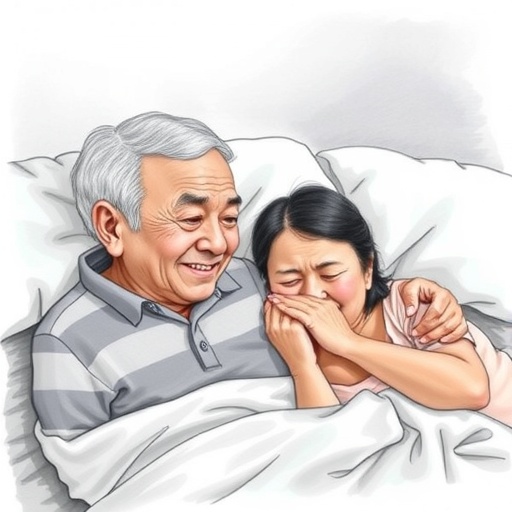
Recent research conducted by a team of Chinese scholars reveals a concerning connection between adverse childhood experiences and the prevalence of late-life depression in older adults. The study, which is detailed in the journal BMC Geriatrics, uncovers the intricate pathways by which early life traumas can manifest as mental health challenges in the twilight years of life. This link underscores a pressing public health concern, as mental health issues among the elderly are often overlooked, despite their profound impact on quality of life.
Childhood experiences shape the trajectory of an individual’s psychological development and well-being. The concept of adverse childhood experiences (ACEs) encompasses a range of potentially traumatic events, such as abuse, neglect, and household dysfunction. The authors of the study, Li, Chen, and Wang, argue that these formative experiences can leave lasting imprints, influencing not only emotional health but also physical health outcomes in older age. This comprehensive approach to understanding mental health highlights the need to consider psychological history when assessing the health of older adults.
The researchers specifically addressed how ACEs contribute to late-life depression by examining the mediating roles of sleep disorders and chronic illnesses. There is a notable bidirectional relationship between sleep and mental health; disruptions in sleep patterns can exacerbate feelings of anxiety and depression, while mental health issues can also lead to poor sleep quality. The study findings suggest that older adults with a history of adverse experiences are more prone to developing sleep disorders, which in turn amplify depressive symptoms.
In addition to sleep disorders, chronic diseases such as diabetes, hypertension, and cardiovascular issues further complicate the mental health landscape of older adults. These chronic conditions are often interlinked with poor mental health, creating a vicious cycle that can be difficult to escape. The study emphasizes that addressing both physical and mental health in tandem is essential for improving overall well-being in aging populations. By identifying sleep disorders and chronic diseases as mediators of the ACEs-depression relationship, the research advocates for a more integrated approach to healthcare.
The implications of this research extend beyond individual health. As populations continue to age globally, understanding the factors that contribute to mental health among older adults is crucial for developing effective public health strategies. Mental health professionals and policymakers must be vigilant in recognizing the long-term impacts of childhood trauma and ensuring that appropriate support systems are in place. This research contributes to a growing body of literature advocating for preventive measures and early intervention strategies tailored to vulnerable populations.
Importantly, the study suggests that there is no one-size-fits-all solution to managing late-life depression. Interventions must be personalized, taking into account an individual’s unique history and current health status. For example, therapeutic approaches might incorporate cognitive-behavioral therapy to address the psychological effects of childhood traumas, alongside medical management of sleep disorders and chronic conditions. Such comprehensive care could significantly improve the quality of life for many older adults suffering from depression.
Furthermore, the findings shed light on the need for increased awareness among healthcare providers about the links between early life adversities and later health issues. Training programs could equip clinicians with the necessary skills to identify at-risk populations and provide timely interventions. This awareness is especially pertinent in diverse cultural contexts, such as in China, where traditional views on mental health may contribute to stigma and hinder help-seeking behaviors.
As researchers continue to delve into the complexities of mental health across the lifespan, the necessity of holistic approaches becomes increasingly evident. The interplay between psychological and physical health cannot be understated, and multifactorial strategies must be developed to tackle the pressing issue of aging-related depression. By illuminating the associations between ACEs, sleep disorders, and chronic diseases, this study paves the way for future research and interventions aimed at improving mental health outcomes in older adults.
In conclusion, the study by Li, Chen, and Wang provides crucial insights into the long-term effects of adverse childhood experiences on mental health in older age. By highlighting the mediating roles of sleep disorders and chronic diseases, it calls for a more nuanced understanding of depression among elderly populations. The findings underscore the importance of integrating mental and physical healthcare—an approach that can enhance the lives of countless individuals as they navigate the challenges of aging.
As a society, recognizing and addressing the impact of early life adversities is not just a mental health issue; it is a public health imperative. By fostering environments that promote resilience and provide support, we can mitigate the effects of ACEs on future generations. This research acts as a clarion call for stakeholders at every level to engage in efforts that prioritize mental health, reduce stigma, and advocate for comprehensive care for older adults.
Subject of Research: The impact of adverse childhood experiences on late-life depression among older Chinese adults, with a focus on sleep disorders and chronic diseases.
Article Title: Adverse childhood experiences and late-life depression in older Chinese adults: the mediating roles of sleep disorders and chronic diseases.
Article References: Li, Q., Chen, L. & Wang, R. Adverse childhood experiences and late-life depression in older Chinese adults: the mediating roles of sleep disorders and chronic diseases. BMC Geriatr 25, 1076 (2025). https://doi.org/10.1186/s12877-025-06740-9
Image Credits: AI Generated
DOI: https://doi.org/10.1186/s12877-025-06740-9
Keywords: Adverse childhood experiences, late-life depression, sleep disorders, chronic diseases, mental health, aging, public health.
Tags: ACEs and late-life depressionadverse childhood experiences impactbidirectional relationship sleep and mental healthchildhood trauma and agingchronic illnesses and depressionemotional well-being in older agemental health issues in older adultspsychological health in older Chinese adultspublic health concerns elderly mental healthquality of life in elderlyresearch on aging and mental healthsleep disorders in elderly