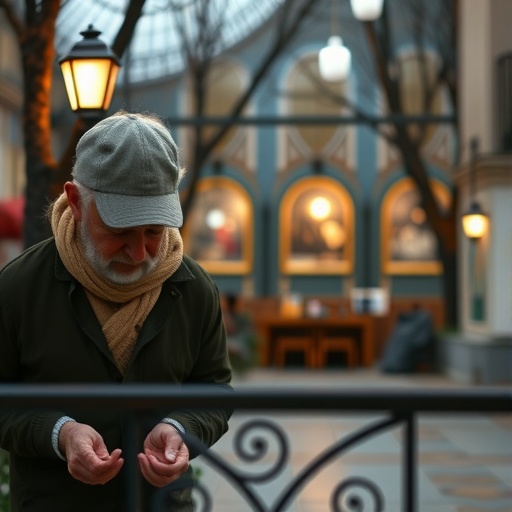
As the world is witnessing a rapid demographic shift towards an increasingly aging population, researchers are turning their attention to understanding the phenomena surrounding the lives and deaths of the oldest segments of society. A compelling study titled “How do the oldest old die in very fast ageing territories? The case of overseas France,” authored by Pennec, Hervy, Lépori, and colleagues, sheds light on this critical yet underexplored area of geriatric research. In regions experiencing phenomenally swift aging, the dynamics surrounding end-of-life care and mortality present unique challenges that are crucial for policymakers and healthcare providers alike.
This study, set against the backdrop of overseas France, highlights a group of individuals known as the “oldest old,” typically defined as those aged 85 and older. These individuals are at the forefront of the aging wave that has sweeping implications for public health systems. The research delves into various existential questions about their mortality, providing rich, empirical data that can influence geriatric practices and ultimately improve quality of life for the elderly.
Overseas France, with its unique demographic and cultural contexts, serves as an intriguing case study. The researchers meticulously examined how geographic and socio-economic factors affect the mortality experiences of its oldest residents. In areas where life expectancy is notably high, researchers found both advantages and drawbacks, suggesting that understanding local contexts is essential for tailoring healthcare approaches. For example, while high life expectancy reflects successful aging processes, it can also lead to increased pressures on healthcare systems unprepared for the wave of complex health issues that often accompany advanced age.
The investigation utilized a robust methodological framework, drawing from qualitative and quantitative research methods to gather comprehensive insights. Interviews were conducted with healthcare professionals, caregivers, and family members to complement the statistical data collected from healthcare records. Such mixed-methods approaches enrich the findings, offering a holistic view of the experience of aging in overseas France. These insights illuminate the interplay between individual choices and systemic factors affecting health outcomes.
Moreover, the study emphasizes the progression of chronic illnesses among the oldest old. Many individuals in this age group experience multiple health issues, often referred to as multimorbidity. Conditions like diabetes, cardiovascular diseases, and cognitive decline are prevalent, leading to a complex interplay that significantly impacts care decisions. The findings reveal that these intertwined health issues necessitate coordinated care strategies, highlighting the inadequacies of a fragmented healthcare system incapable of addressing the multifaceted needs of its elderly populace.
Another critical discovery from the research concerns the role of social networks and familial structures in shaping the end-of-life experiences of the oldest old. In overseas France, familial ties remain a cornerstone of support, with many elderly individuals relying heavily on relatives for physical and emotional support. However, the study also uncovers a troubling trend: as the older population expands, the traditional family unit often struggles under the strain, leading to feelings of isolation among the elderly as caregivers become stretched thin. This social isolation is a crucial factor impacting not only mental health but also physical well-being.
Crucially, the study seeks to pinpoint how cultural attitudes towards death and aging influence the experiences of the oldest old. Health professionals in overseas France regularly navigate a landscape filled with cultural beliefs that shape end-of-life care. For instance, preferences regarding dying at home versus in institutional settings were found to vary widely among different cultural groups. These preferences necessitate that healthcare providers adopt a culturally sensitive approach that honors the values and wishes of the elderly, ensuring they receive care aligned with their beliefs.
One significant aspect of the study is its exploration of healthcare accessibility in remote regions of overseas France. The researchers found that geographical isolation can pose barriers to receiving adequate healthcare, which can be detrimental for the oldest old. In areas where resources are scarce, these barriers lead to disparities in health outcomes, often exacerbating the already complex health situations faced by elderly individuals. The paper therefore calls for improved healthcare infrastructure and resources to adequately cater to the needs of this vulnerable group.
Equally important is the role of palliative care, which has emerged as a focal point of the study. Understanding how the oldest old experience death necessitates a thorough examination of palliative care practices. The researchers identified gaps in this area, as many elderly individuals do not receive timely access to palliative care, which significantly impacts their quality of life in their final days. The call for integrated palliative care services is echoed throughout the findings, underscoring healthcare professionals’ responsibility to prioritize comfort and dignity for those nearing the end of life.
The implications of this research extend beyond individual experiences, resonating within the broader public health discourse. As countries globally grapple with aging populations, the lessons derived from overseas France can serve as a valuable guide. The findings suggest that a multifaceted approach—addressing health, social, and cultural dimensions—is vital in developing policies that effectively support the oldest old.
As the study concludes, it invites further exploration into the complex web of factors that define death among the oldest old. Perhaps the most profound takeaway is the urgent need for an integrated approach to care, one that can provide comprehensive support amidst the challenges posed by an aging society. This research not only contributes significantly to the academic literature on gerontology but also advocates for actionable changes in healthcare policy that could drastically improve the aging experience for future generations.
In summary, the research carried out by Pennec, Hervy, Lépori, and colleagues paints a vivid picture of the end-of-life experiences of the oldest old in overseas France, highlighting the critical need for nuanced, accessible, and culturally competent healthcare strategies. As demographics shift and populations age, understanding these nuances will be essential in shaping how we approach aging and end-of-life care from a global perspective.
Subject of Research: End-of-life experiences of the oldest old in overseas France
Article Title: How do the oldest old die in very fast ageing territories? The case of overseas France.
Article References:
Pennec, S., Hervy, M., Lépori, M. et al. How do the oldest old die in very fast ageing territories? The case of overseas France.
BMC Geriatr (2025). https://doi.org/10.1186/s12877-025-06609-x
Image Credits: AI Generated
DOI: 10.1186/s12877-025-06609-x
Keywords: aging, oldest old, end-of-life care, health disparities, overseas France
Tags: demographic shift and aging populationelderly mortality in overseas Franceempirical data on elderly mortalityend-of-life care challengesgeriatric research on oldest oldhealthcare implications for aging societiesmortality experiences of elderly populationsoldest old demographic trendspublic health systems for aging demographicsquality of life for elderly individualssocio-economic factors in elderly healthunique contexts of overseas France