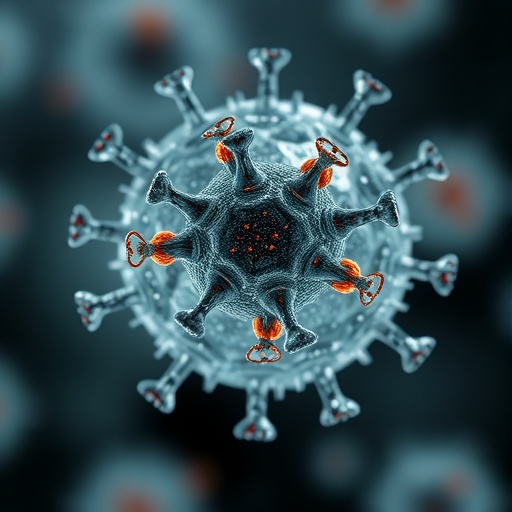
Recent advancements in nanotechnology have paved the way for innovative therapeutic strategies to combat otherwise incurable diseases. One of the most promising developments is the creation of cell membrane-camouflaged nanoparticles, which exhibit remarkable capabilities in targeted drug delivery. These sophisticated carriers mimic the natural properties of cellular membranes, allowing them to evade the immune system and deliver therapeutic agents directly to diseased tissues. Researchers, including Moon, Kim, and Bae, have embarked on a quest to refine the selection criteria for these nanoparticles, making significant strides in enhancing their efficacy.
The concept of cell membrane-camouflaged nanoparticles builds upon the longstanding understanding that the immune system can recognize foreign entities. Traditionally, the success of drug delivery systems has been hindered by rapid clearance from the bloodstream and the inability to target specific cells accurately. However, by cloaking nanoparticles in cell membranes, researchers are leveraging the innate stealth characteristics of the body’s own cells to outsmart the immune defenses. This strategy not only improves circulation time but also enhances the likelihood of therapeutic agents reaching their intended destinations.
In their groundbreaking study, the authors evaluated various cell types from immune and cancer cells to create optimized nanoparticles. The choice of cell source plays a crucial role in the nanoparticles’ performance. For instance, utilizing cancer cell membranes can provide the nanoparticle with a higher affinity for tumor tissues, exploiting the unique markers expressed on cancer cells. This precision targeting could lead to significant improvements in treatment outcomes for patients suffering from malignant conditions.
A major advantage of using cell membrane-camouflaged nanoparticles is their ability to carry a diverse array of therapeutic payloads. Whether the objective is to deliver conventional chemotherapeutics, RNA-based therapies, or gene editing tools such as CRISPR, these nanoparticles can be engineered to accommodate various biological agents. The adaptability of the nanoparticles allows for multifaceted treatment strategies that can be tailored to the individual needs of patients based on the specific characteristics of their conditions.
Furthermore, the study presents an extensive analysis of the physicochemical properties that are crucial for optimizing the performance of these nanoparticles. Parameters such as size, surface charge, and hydrophobicity were meticulously examined to understand how they influence biodistribution and cellular uptake. Smaller, well-dispersed nanoparticles tend to circulate longer within the bloodstream and are more readily absorbed by target cells. The surface charge, on the other hand, plays a pivotal role in dictating how readily the nanoparticles interact with cellular membranes.
In addition to physical properties, the interior composition of the nanoparticles is also under investigation. Researchers are exploring the use of hydrogels or polymer matrices to encapsulate therapeutic agents more effectively. By optimizing the release kinetics, they aim to ensure that drugs are delivered at the targeted site in a controlled manner, minimizing side effects and maximizing therapeutic efficacy. The careful design of these multifaceted nanoparticles represents a leap forward in the precision of medical therapy.
Despite the promising results, the journey toward clinical application is fraught with challenges. One major hurdle is the scalability of the production process. As interest in these novel nanoparticles grows, researchers must devise economically viable methods to produce them in large quantities. The integration of manufacturing techniques that comply with regulatory standards will be essential to facilitate their transition from laboratory research into real-world medical applications.
Moreover, a comprehensive understanding of the biocompatibility and potential toxicity of these nanoparticles is vital. Researchers are conducting cytotoxicity assays in various cellular models to establish safety profiles. Long-term studies are necessary to determine the interactions between these nanoparticles and the complex biological systems they are designed to target. Future investigations aim to elucidate whether there are any unforeseen consequences of using cell membrane-camouflaged nanoparticles, ensuring that they provide therapeutic benefits without adversely affecting patients’ health.
As these studies progress, there is growing excitement about the prospect of employing cell membrane-camouflaged nanoparticles in treating a variety of diseases beyond cancer. Current research is expanding to include applications for autoimmune diseases, infectious diseases, and even neurodegenerative conditions. The versatility of the technology offers hope in addressing multifaceted health challenges that have long eluded conventional treatment methods.
Collaboration across disciplines will be vital as biologists, chemists, and medical researchers unite to unlock the full potential of these nanoparticles. The merging of expertise will not only expedite the translation of research findings into clinical practice but also foster innovation in nanoparticle design and functionality. Establishing interdisciplinary partnerships can catalyze the development of next-generation therapeutics that are better suited to meet the complexities of various diseases.
Looking ahead, the future of medicine appears promising with the inclusion of advanced nanotechnology. The ability to use cell membrane-camouflaged nanoparticles for targeted drug delivery has the potential to revolutionize the treatment landscape. As more studies shed light on the underlying mechanisms and optimize designs, the clinical viability of these nanoparticles will likely come within reach. This evolving field could ultimately transform not only how diseases are treated but also how we approach the concept of personalized medicine.
In closing, the time is ripe for the further exploration of cell membrane-camouflaged nanoparticles in biomedical research. The elegant synergy between the natural properties of cellular membranes and engineered nanotechnology opens avenues for innovative treatment modalities. Researchers continue to refine methodologies and expand applications, feeling increasingly optimistic about the implications of this technology for future healthcare solutions, particularly in the fight against incurable diseases. Continued investment in research and collaboration will be crucial as we move towards the successful integration of these advancements into clinical settings, shaping a new era of targeted therapies.
Subject of Research: Cell membrane-camouflaged nanoparticles in incurable disease treatment
Article Title: Cell membrane-camouflaged nanoparticles: selection strategy in incurable disease treatment
Article References:
Moon, H., Kim, J., Bae, G. et al. Cell membrane-camouflaged nanoparticles: selection strategy in incurable disease treatment.
J. Pharm. Investig. (2025). https://doi.org/10.1007/s40005-025-00785-z
Image Credits: AI Generated
DOI: https://doi.org/10.1007/s40005-025-00785-z
Keywords: Nanotechnology, Drug Delivery, Cancer Treatment, Targeted Therapy, Biocompatibility, Personalized Medicine, Disease Treatment.
Tags: advancements in nanomedicinecancer treatment innovationscell membrane-camouflaged nanoparticlescellular membrane propertiesimmune evasion strategiesnanoparticle drug delivery systemsnanotechnology in medicineoptimizing nanoparticle efficacyresearchers in nanoparticle technologystealth nanoparticles in drug deliverytargeted therapy for incurable diseasesTherapeutic Agent Delivery