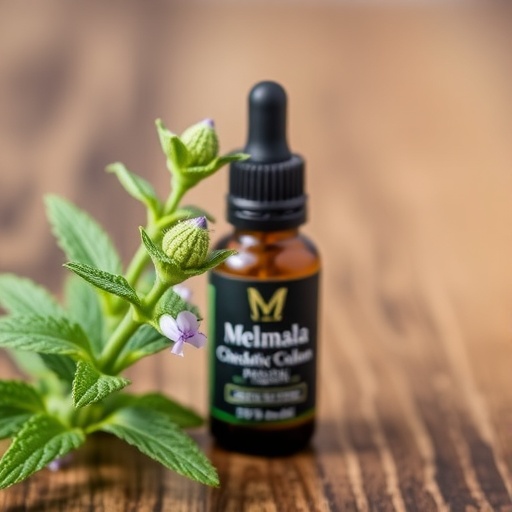
In recent years, the application of natural products as therapeutic agents has reignited interest within the scientific community. Among these, essential oils have gained notable attention due to their diverse pharmacological properties. A recent study, conducted by Ganjali et al., sheds light on the efficacy of enhanced essential oil derived from the herb Melissa officinalis, commonly known as lemon balm. This research specifically focuses on the oil’s potential to mitigate the cytotoxic effects induced by aflatoxin B1, a notorious mycotoxin that poses significant risk to human health.
Aflatoxins are naturally occurring mycotoxins produced by certain molds found on agricultural products, most notably grains and nuts. Aflatoxin B1, in particular, stands out as the most toxic and the most well-researched variant. Its ability to cause severe liver damage and its classification as a potent carcinogen elevate the need for effective mitigation strategies. In this novel study, the researchers aimed to explore how the essential oil from Melissa officinalis can act as a protective agent against the detrimental effects of aflatoxin B1 on cellular models, specifically the HT-29 and HEK-293 cell lines.
The methodology of the study is particularly noteworthy. The researchers initially prepared a concentrated form of Melissa officinalis essential oil, employing advanced extraction techniques that enhance its bioactive components. The integration of carrageenan, a gelling agent derived from red algae, was pivotal in this process. By encapsulating the essential oil within carrageenan, the researchers aimed to improve its stability and release profile. This innovative approach demonstrated their commitment to advancing herbal medicine’s application in modern therapeutics.
As part of the research, the authors conducted a series of in vitro experiments to assess cellular viability and functionality in the presence of aflatoxin B1. The results revealed that cells treated with the encapsulated essential oil exhibited significant protection against the cytotoxic effects of the toxin. This finding is critical, as it suggests that natural compounds, particularly when enhanced or modified, can offer valuable therapeutic options in mitigating the impacts of environmental toxins.
Interestingly, this study does not merely restate the protective effects of essential oils; it delves deeper into the mechanisms involved. The researchers utilized various assays to evaluate oxidative stress levels and cellular apoptosis, providing a comprehensive picture of how the essential oil interacts with cellular pathways. Enhanced antioxidant capacity was observed, indicating that Melissa officinalis essential oil may counteract oxidative damage caused by aflatoxin B1, thereby safeguarding cellular integrity.
Moreover, the use of the HT-29 and HEK-293 cell lines adds another layer of significance to the findings. The HT-29 cell model, representing human colorectal cancer cells, enables understanding the essential oil’s potential in combating cancer-related cytotoxicity. Meanwhile, HEK-293 cells, derived from human kidney tissue, provide insights into the broader implications for overall human health. This dual approach reflects the study’s ambition to address the wider consequences of mycotoxin exposure and its potential links to various health issues.
The discussion surrounding the results reinforces the importance of integrative medicine, where natural remedies complement conventional treatments. As antibiotic resistance and chemical toxicity become increasingly pressing concerns, the exploration of natural alternatives, such as Melissa officinalis essential oil, provides not only a glimmer of hope but also practical strategies for enhancing health outcomes. Further research, especially clinical trials involving human subjects, will be essential in elucidating the oil’s full therapeutic potential.
In addition to the scientific implications, the cultural and traditional significance of Melissa officinalis cannot be overlooked. This perennial herb has been utilized for centuries across various cultures, primarily for its calming and health-promoting properties. Integrating traditional knowledge with contemporary scientific inquiry exemplifies a holistic approach, reinforcing the notion that ancient wisdom can guide modern biomedical research.
The study’s implications may also extend to agricultural practices, as understanding the protective properties of certain herbs against mycotoxins can inform preventive strategies in food production. Cultivating plants enriched with bioactive compounds could serve as an organic method to address mycotoxin contamination in food supplies. This aspect underscores the interdisciplinary nature of the research, bridging the gap between agriculture, nutrition, and health sciences.
As the world grapples with the implications of food safety and toxic exposure, the insights provided by Ganjali et al. underscore the necessity for continued exploration within herbal medicine. The promising findings surrounding Melissa officinalis essential oil, when further substantiated by rigorous research, could pave the way for plant-based solutions to mitigate toxins ubiquitous in our environment.
In light of these revelations, the future of herbal medicine appears bright. The fusion of traditional knowledge with cutting-edge scientific techniques holds significant promise for discovering new treatments and enhancing existing ones. As we continue to investigate and document the benefits of natural substances, we move closer to a world where integrative medicine becomes the norm rather than the exception.
The detailed exploration of Melissa officinalis essential oil not only exemplifies the potentiality of botanical remedies but also invites a broader discussion about the importance of sustainability in our approach to health. As we prioritize ecological balance and holistic practices, the vision of a preventive healthcare model comes into sharper focus—one that honors the interconnectedness of human health and environmental wellbeing.
Ultimately, the findings of this study constitute a critical piece of the ever-evolving puzzle of human health, further illuminating the promising landscape of natural products in modern medicine. With collaboration between researchers, herbalists, and healthcare practitioners, we may soon unlock the full potential of nature’s pharmacy, delivering safer and more effective therapeutic options for generations to come.
Subject of Research: The protective effects of enhanced Melissa officinalis essential oil against aflatoxin B1-induced cytotoxicity.
Article Title: Effects of enhanced Melissa officinalis essential oil via carrageenan on mitigating aflatoxin b1-induced cytotoxicity in HT-29 and HEK-293 cells.
Article References:
Ganjali, M., Rahimi, M., Ramezan, D. et al. Effects of enhanced Melissa officinalis essential oil via carrageenan on mitigating aflatoxin b1-induced cytotoxicity in HT-29 and HEK-293 cells.
BMC Complement Med Ther (2025). https://doi.org/10.1186/s12906-025-05228-8
Image Credits: AI Generated
DOI: 10.1186/s12906-025-05228-8
Keywords: Melissa officinalis, essential oil, aflatoxin B1, cytotoxicity, cellular protection, antioxidant, natural remedies, herbal medicine.
Tags: advanced extraction methods for oilsaflatoxin B1 toxicity mitigationcancer prevention strategiescellular models in toxicity researchcytotoxic effects of aflatoxinsessential oils pharmacological propertieslemon balm oil benefitsliver damage preventionMelissa officinalis essential oilmycotoxin health risksnatural products in therapyprotective agents against toxins