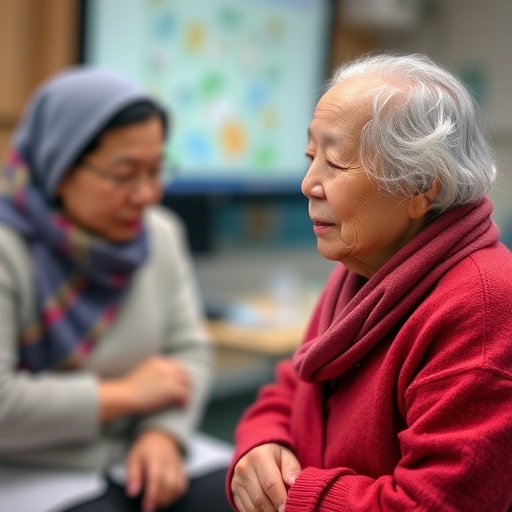
In recent years, the focus on brain health among the older population has gained significant traction, particularly in countries with rapidly aging demographics such as China. A qualitative study conducted by Zhang, X., Zhang, Y., and Yuan, P., along with their colleagues, delves into the attitudes and needs surrounding brain health promotion among older adults in China. This research represents a crucial stride toward understanding how mental vitality can be bolstered within an aging society.
The study sheds light on the pressing need for tailored interventions aimed at nurturing cognitive health in older individuals. With the world witnessing an unprecedented rise in the number of elderly citizens, understanding their unique needs is paramount. The authors leveraged a qualitative methodology, gathering rich insights through interviews and focus groups that unveil not only the challenges faced by older adults but also their aspirations for better brain health.
Central to the findings is the pervasive awareness among older adults about the importance of maintaining cognitive function. Many expressed concerns about age-related cognitive decline and its implications on their overall quality of life. The realization that cognitive health directly affects independence, social interactions, and emotional well-being resonated deeply across various demographic groups. This awareness serves as a fundamental motivator for seeking knowledge and resources related to brain health.
Older adults articulated a desire for practical guidance on cognitive exercises and activities that could stimulate mental acuity. Participants emphasized the need for easily accessible tools that could be integrated into their daily routines, hence promoting engagement without overwhelming them. This highlights a critical gap in current health promotion strategies: the necessity for user-friendly, evidence-based resources that accommodate the unique lifestyles of older individuals.
Moreover, social support emerged as a recurring theme in the discussions. Many participants noted that community connections play a vital role in fostering mental well-being. They expressed a longing for environments where they can engage with peers in brain-stimulating activities. This calls for community-based programs that not only address cognitive health but also enhance social interaction, underscoring the intertwined nature of mental and emotional wellness.
The implications of these findings extend beyond the individual; they reach into the fabric of society itself. As families and caregivers grapple with the challenges of aging relatives, the need for community involvement and comprehensive support systems becomes increasingly apparent. The demand for educational campaigns aimed at families, caregivers, and even healthcare professionals could foster a more holistic approach to brain health promotion.
Interestingly, cultural attitudes also surfaced as significant influencers of health behaviors. Participants noted that traditional beliefs about aging and cognitive function can either hinder or facilitate the acceptance and pursuit of brain health initiatives. The researchers suggest that culturally sensitive programming that respects and integrates these beliefs will be more effective in engaging older adults in brain health promotion activities.
Digital technology’s role in facilitating access to information and resources was highlighted in the study. Many participants expressed an interest in utilizing mobile applications and online platforms to stay informed about cognitive health. However, there exists a digital divide; some older adults were hesitant or unfamiliar with technology. Thus, the potential of digital tools must be paired with educational initiatives that empower older individuals to navigate the digital landscape confidently.
Furthermore, collaborative approaches that involve healthcare providers, community organizations, and technology developers are necessary to design interventions that resonate with older populations. The study’s findings suggest that a multifaceted strategy focusing on education, community engagement, and technology can create a comprehensive framework for promoting brain health among older adults.
As the research outlines a pathway for advancing brain health initiatives, it also raises pressing questions about the implementation of findings into actionable policies. Stakeholders across governmental and non-governmental sectors must collaborate to create robust public health strategies. This entails not only funding for research and program development but also advocacy for the importance of mental health as a public health priority.
In conclusion, the insightful contributions from Zhang et al. present a clarion call to action for researchers, policymakers, and community leaders alike. Embracing the complexity of aging and the multifaceted nature of brain health is essential in forging a future where older adults in China—and beyond—can thrive mentally, socially, and emotionally. As society stands at the crossroads of an aging population, the imperative to prioritize brain health has never been more urgent. By understanding and addressing the specific needs of older adults, we pave the way for a healthier, more vibrant society, where cognitive vitality remains a hallmark of aging.
This pivotal research serves as a stepping stone toward realizing that vision, urging us all to think critically about how we can contribute to a more brain-healthy future for older adults globally.
Subject of Research: Brain health promotion for older adults in China
Article Title: Attitudes and needs of brain health promotion for older adults in China: a qualitative study
Article References: Zhang, X., Zhang, Y., Yuan, P. et al. Attitudes and needs of brain health promotion for older adults in China: a qualitative study. BMC Geriatr (2025). https://doi.org/10.1186/s12877-025-06900-x
Image Credits: AI Generated
DOI: 10.1186/s12877-025-06900-x
Keywords: Brain health, older adults, cognitive decline, community support, digital technology, China
Tags: aging population and mental vitalityattitudes towards brain health in elderlybrain health promotion in older adultschallenges of cognitive decline in seniorscognitive health interventions in Chinaelderly care and cognitive awarenessemotional well-being in aging populationimproving mental well-being in older adultsindependence and brain health in seniorsqualitative study on elder brain healthsocial interactions and cognitive functiontailored cognitive health programs