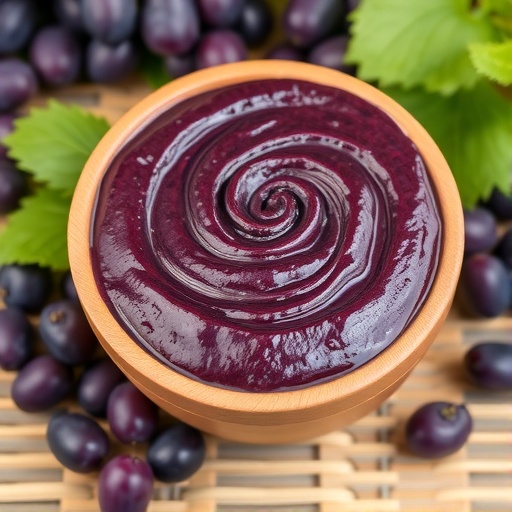
In a groundbreaking study published in the journal Waste Biomass Valor, researchers have explored the latent potential of grape seeds, a byproduct of the wine industry, focusing on their oil content, fatty acid profiles, and overall nutritive value. With an increasing emphasis on waste valorization and sustainable practices, this research highlights the health-promoting indices, as well as the atherogenic and thrombogenic effects of grape seed pastes. As society grapples with waste management and resource optimization, the insights provided by this study serve as a clarion call for both industry stakeholders and health-conscious consumers.
The study conducted by Younis, Mohammed, and Özcan et al. meticulously examined how storage conditions influence the properties of grape seed pastes, a subject that has been relatively underexplored in scientific literature. Given the billions of tons of grape seeds discarded as waste annually, the implications of this research could be transformative, enabling industries to repurpose these seeds into valuable food products while simultaneously mitigating environmental impacts.
One of the core components of the study was the analysis of oil content in the grape seed pastes. The researchers found that the oil yield varies significantly depending on the storage duration and conditions. This finding is particularly important as oil extraction processes can be very sensitive to various environmental factors. Understanding how storage can alter oil yields could optimize extraction techniques and enhance the nutritional profile of grape seeds, turning a disposal expense into a profit-generating endeavor.
Moreover, the fatty acid composition of the grape seed oil was a focal point of the investigation. Fatty acids play a crucial role in human health, influencing everything from cardiovascular health to anti-inflammatory responses. The study revealed that while fresh grape seed pastes contain a high percentage of beneficial unsaturated fatty acids, these levels can diminish over time as storage conditions change. It raises significant questions regarding the best practices for preserving these healthful fats, which are so integral to our diets.
Vitamin E, an essential nutrient often present in grape seed oil, also merits attention. The study highlighted that Vitamin E concentrations can be affected by both storage time and conditions. This is particularly relevant for the health-promoting properties of grape seed oil, as Vitamin E is known for its antioxidant properties. By extending the shelf life of grape seed pastes while maintaining or even enhancing their nutritive value, this research could lead to improved dietary offerings for health-conscious consumers.
The bioactive properties of grape seeds, including their polyphenolic content, were assessed as well. These compounds have garnered interest for their potential health benefits, including anti-cancer and anti-inflammatory effects. However, their stability during storage is vital for realizing these benefits. The research illuminates the need for stringent quality control measures when producing grape seed pastes to maximize these health-promoting components.
Another critical aspect of the study was the evaluation of atherogenic and thrombogenic indices of the grape seed pastes. These indices are essential in assessing the cardiovascular risk associated with dietary fats. The researchers found that while fresh grape seed oil could have favorable health indices, prolonged storage can lead to adverse changes, potentially increasing health risks. This finding underscores the necessity of advancing consumer awareness regarding the importance of fresh ingredients and the potential hazards associated with consuming oxidized oils.
In terms of industrial application, the findings provide a compelling argument for wineries and food manufacturers to reconsider how they manage grape seeds. Instead of viewing them as mere waste, the study encourages the food industry to explore innovative extraction methods and formulations that harness the nutritional benefits of these seeds. This paradigm shift could significantly reduce waste and foster a more sustainable food ecosystem.
Moreover, the researchers posited the idea of developing new storage techniques or technologies that could prolong the shelf life of grape seed pastes without compromising their quality. Innovations in packaging materials or modified atmosphere storage could pave the way for better preservation, allowing consumers to enjoy the benefits of grape seed products for longer periods.
The study’s implications stretch beyond mere economic advantages; they highlight an urgent need within the food manufacturing sector to embrace sustainability while also catering to an increasingly health-conscious consumer base. By championing waste valorization through grape seeds, companies can attract customers who prioritize quality and sustainability, leading to enhanced brand loyalty and market presence.
In conclusion, the research conducted on grape seed pastes represents a significant stride toward the sustainable utilization of byproducts from the wine industry. It challenges the traditional notions surrounding waste materials and invites a re-examination of practices within the food sector. This innovative approach could not only reshape how grape seeds are perceived and utilized but also contribute to a healthier populace by providing nutrient-rich options derived from what was once considered waste.
As we move toward a future where sustainability is paramount, this research serves not only as a scientific revelation but as a beacon for industries looking to innovate. The findings presented by Younis, Mohammed, and Özcan et al. might very well catalyze a shift in how we view food waste and healthful eating, turning our attention to the myriad possibilities that lie within our food systems.
Subject of Research: Effect of storage on oil contents, fatty acids, and health-promoting properties of grape seed pastes.
Article Title: Effect of Storage on Oil Contents, Fatty Acids, Nutritive Value, Atherogenic, Thrombogenic, Health-promoting İndices and Bioactive Properties of Pastes Produced from Grape Seeds, a Waste of the Wine Industry.
Article References:
Younis, M., Mohammed, B.M., Özcan, M.M. et al. Effect of Storage on Oil Contents, Fatty Acids, Nutritive Value, Atherogenic, Thrombogenic, Health-promoting İndices and Bioactive Properties of Pastes Produced from Grape Seeds, a Waste of the Wine İndustry.
Waste Biomass Valor (2025). https://doi.org/10.1007/s12649-025-03445-3
Image Credits: AI Generated
DOI: https://doi.org/10.1007/s12649-025-03445-3
Keywords: Grape seeds, oil content, fatty acids, nutritive value, bioactive properties, waste valorization, sustainability, health-promoting indices.
Tags: atherogenic effects of grape seed pastesenvironmental impact of grape seed wastefatty acid profiles in grape seedsgrape seed paste health benefitsimpact of storage on oil contentnutritive value of grape seed oilrepurposing grape seeds for healthresearch on grape seed storage conditionsresource optimization in food productionsustainable practices in grape processingthrombogenic properties of grape seedswaste valorization in food industry