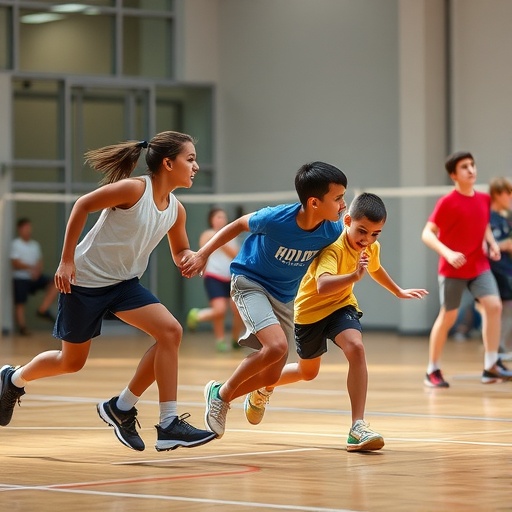
In the rapidly evolving field of higher education, particularly within the realms of sports and physical education, understanding the constructs that contribute to students’ experiences is paramount. A recent study authored by scholars Hu and Wang delves into an underexplored area of academic research, which is the perceived physical literacy among educational and sports college students. This research not only highlights the significance of physical literacy but also proposes a structural model based on perceived physical literacy index (PPLI) to better grasp the complexities faced by these individuals.
Physical literacy is often described as the ability, confidence, and motivation that individuals possess to engage in physical activities across various environments. As societies increasingly recognize the benefits of being physically active, the need for educational institutions to cultivate this literacy within their students is more pressing than ever. Hu and Wang’s research presents a thorough investigation into the factors that influence physical literacy perceptions among college students who are entrenched in educational and sporting endeavors.
To构建 their model, the researchers employed a combination of quantitative and qualitative methodologies, allowing them to collect comprehensive data that adds depth to their findings. The result is a robust structural equation model that elucidates how perceived physical literacy operates as a multifaceted construct. Various elements including self-efficacy, motivation, and environmental supports play integral roles in shaping a student’s perception of their physical literacy. This approach not only provides clarity to the interconnectedness of these components but also enables educational institutions to tailor their programming and interventions more effectively.
Moreover, the study underlines how personal beliefs in one’s physical abilities can significantly influence overall motivation and participation in physical activities. When students perceive themselves as physically literate, they are more likely to engage in varied sporting activities and adopt healthier lifestyles. This vital link between perception and action raises essential questions about educational strategies that can foster such beliefs among students, especially those who may lack confidence in their physical abilities.
Interestingly, the importance of perceived physical literacy extends beyond the immediate benefits of increased participation in sports. The research highlights potential long-term psychological outcomes, where enhanced physical literacy is associated with improved mental well-being. Students who feel physically literate are less prone to developing anxiety and depression, illustrating the role of physical activity as a protective factor in mental health. This suggests that educational programs should not only focus on enhancing physical skills but should also emphasize building self-efficacy and resilience.
The implications of this research are particularly significant amid a global movement towards health awareness. Institutions of higher learning are now being pressured to integrate holistic wellness initiatives within their curricula. Hu and Wang’s structural model offers a framework that educators can leverage when designing programs targeted at enhancing physical literacy among students. By identifying key elements that influence perceptions of physical literacy, educators can implement evidence-based strategies to foster a culture of physical engagement.
As the study highlights, environmental factors also play a crucial role in shaping students’ perceptions of their physical literacy. Access to sports facilities, recreational programs, and supportive social networks can either motivate or hinder students’ willingness to engage in physical activities. Recognizing these external influences allows academic institutions to adopt a more strategic approach to resource allocation and programming, ensuring that they cater to the diverse needs of their student populations.
Furthermore, Hu and Wang’s study provides valuable insights into the demographic differences in perceived physical literacy. Factors such as age, gender, and background reveal varying perceptions among students, suggesting that tailored approaches may be necessary to accommodate these differences. For instance, female students may report lower levels of perceived physical literacy compared to their male counterparts. This gender disparity calls for a nuanced understanding of the cultural and social factors that influence participation and engagement in physical activities.
Integrating the findings from this research, educational planners can not only improve the physical environment of campuses but also prioritize the psychological aspects of physical literacy in their initiatives. Workshops, seminars, and other programs can be developed that specifically target students’ self-efficacy and motivation, guiding them towards a proactive approach in physical health. By fostering an inclusive environment where students feel empowered, institutions can enhance the overall well-being of their populations.
In essence, Hu and Wang’s study signals a pivotal shift in how perceived physical literacy is viewed within education sectors. Moving forward, it will be essential for academic researchers, educators, and policymakers to collaborate and address these critical components in a cohesive manner. The research findings underscore the urgent need for a paradigm change that recognizes physical literacy as a vital aspect of student health and development.
As this academic discourse continues to evolve, the attention paid to physical literacy in higher education cannot be overstated. This groundbreaking research by Hu and Wang serves as a call to action, urging institutions to reconceptualize their role in promoting physical literacy among students. The potential benefits are profound, with implications that extend far beyond the athletic arena, contributing to healthier, well-rounded individuals poised to succeed both academically and in their future endeavors.
In conclusion, the implications of Hu and Wang’s research extend to all educational institutions, urging them to adopt a holistic approach that marries physical educational strategies with psychological support systems. By considering the complex interplay of perceived physical literacy, educational institutions can forge new paths that emphasize the importance of physical health, ultimately fostering a generation that not only understands the value of an active lifestyle but also embodies it.
This study paints a comprehensive portrait of what is needed to drive physical literacy forward in higher education. By embedding the principles derived from this research into educational frameworks, we open the door to fostering healthier, more active, and engaged student populations equipped to tackle the challenges of the modern world.
Subject of Research: Perceived Physical Literacy among Educational and Sports College Students
Article Title: A structural model of perceived physical literacy of educational/sports college students based on PPLI.
Article References:
Hu, R., Wang, W. A structural model of perceived physical literacy of educational/sports college students based on PPLI.
Sci Rep (2025). https://doi.org/10.1038/s41598-025-32834-w
Image Credits: AI Generated
DOI: 10.1038/s41598-025-32834-w
Keywords: Physical Literacy, Higher Education, Self-efficacy, Motivation, Psychological Well-being.
Tags: academic research in sportsconfidence in physical educationcultivating physical literacy among studentsfactors influencing physical literacymotivations for physical activityperceived physical literacy indexphysical literacy in higher educationqualitative and quantitative research methodssports education researchstructural equation modeling in educationstudent engagement in physical activitiesunderstanding physical literacy constructs