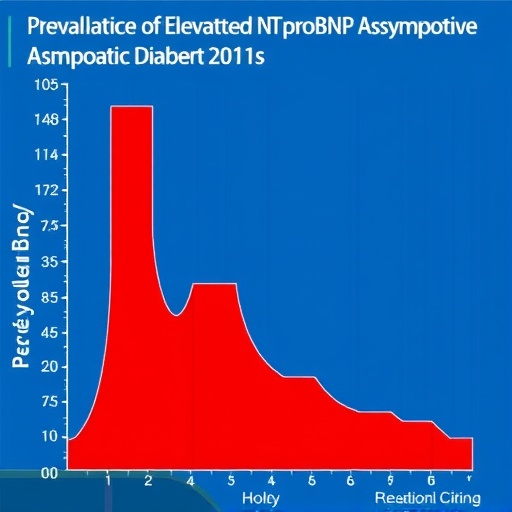
In recent years, the understanding of cardiovascular health, particularly among populations with diabetes, has gained increasing attention. A new study, led by a team of researchers including Al Hayek, Borai, and Alhabeeb, zeroes in on the prevalence of elevated NT-proBNP levels in asymptomatic diabetic adults in Saudi Arabia. This research sheds light on a crucial marker that may indicate underlying heart issues, even in patients who do not exhibit symptoms. The findings underline the importance of monitoring NT-proBNP levels in specific demographic groups, providing valuable insights for both clinical practices and public health policies.
The study meticulously examines a significant yet often overlooked question: how prevalent are elevated levels of NT-proBNP among those with diabetes who do not show clinical symptoms of heart conditions? NT-proBNP, or N-terminal pro b-type Natriuretic Peptide, is a biomarker commonly used to diagnose and assess heart failure. Traditionally, patients with overt symptoms have been the focus of such analyses, but this groundbreaking research takes a different path by scrutinizing individuals who remain asymptomatic despite their underlying conditions.
What the researchers discovered is noteworthy. The prevalence of elevated NT-proBNP concentrations in the sampled population was significantly higher than one might expect among healthy individuals. As diabetes is known to cause various cardiovascular complications, the implications of these elevated levels suggest that even those who feel fine may be at risk for serious heart conditions. This finding serves as a wake-up call for healthcare providers to reassess how they monitor and evaluate heart health in diabetic patients.
The study emphasizes the necessity of integrating regular NT-proBNP testing into routine diabetes care. With approximately 30% of the sampled diabetic adults showing elevated NT-proBNP levels, health practitioners need to consider these results when developing patient care strategies. Elevated levels may not only indicate an immediate risk of heart failure but can serve as a predictive measure for long-term cardiovascular health—even in the absence of other symptoms.
Interestingly, the research also identifies various clinical correlates that align with elevated NT-proBNP levels. Factors such as age, duration of diabetes, and comorbid conditions contribute significantly to the likelihood of having abnormal NT-proBNP levels. The data suggests a need for clinicians to account for these variables in their assessments. Patients who may not exhibit any immediate risk signs could still be positioned on a spectrum where proactive intervention is necessary.
Equally compelling is the study’s global context. As diabetes rates climb worldwide, funding and resources aimed at understanding its complications become more critical. The findings from Saudi Arabia can serve as a model for similar demographic studies in other regions grappling with the diabetes epidemic. By pooling data from various sectors, a deeper understanding of the international implications of NT-proBNP levels in diabetes management could emerge, potentially influencing larger healthcare policies on a worldwide scale.
Moreover, the implications of elevated NT-proBNP levels extend beyond mere numbers. They open up discussions surrounding patient education and the necessary lifestyle changes that may accompany proactive care. Individuals, particularly those diagnosed with diabetes, should be aware that they may face risks beyond what is visible. Knowledge of their NT-proBNP status can inspire behavioral changes aimed at mitigating cardiovascular risks.
The economic burden of diabetes and its complications continues to rise; therefore, identifying cost-effective strategies to monitor and address elevated NT-proBNP levels is vital. Healthcare systems could optimize resource allocation by incorporating NT-proBNP testing into regular checks for diabetic patients, which may ultimately reduce the incidence of more severe cardiovascular events. Early detection and intervention could lead to substantial savings in long-term healthcare costs, benefiting both patients and health systems alike.
Policy makers can also leverage these findings to advocate for better healthcare practices. As data emerges from studies like this one, the conversation regarding preventive medicine becomes more urgent. If asymptomatic populations with diabetes are at heightened risk, then public health initiatives focused on early detection and prevention can significantly improve outcomes. Increased awareness can lead to more comprehensive heart health surveillance that extends beyond the confines of diabetes management alone.
As with most research, there are limitations to be acknowledged. While the study presents important findings, the authors note the need for more extensive longitudinal studies to evaluate how NT-proBNP levels might change over time and their long-term consequences in diabetic populations. Future investigations could explore how these biomarkers interact with treatment protocols and lifestyle interventions, thus expanding the foundational knowledge necessary for improved healthcare.
In summary, this study offers a pivotal perspective on diabetes management and cardiovascular health. The elevated levels of NT-proBNP found in asymptomatic adults signal the need for vigilant monitoring, reshaping the dialogue around treatment and prevention strategies. With healthcare providers increasingly aware of the implications of NT-proBNP data, they can better serve patients through informed decision-making and tailored treatment plans.
Ultimately, the research conducted by Al Hayek and colleagues presents compelling evidence that reshaping our approach toward asymptomatic diabetic patients could genuinely impact public health outcomes. As diabetes continues to be a global health crisis, studies like these pave the way for further discovery and practical applications that enhance patient care and health management paradigms.
With ongoing research and future studies informed by these findings, the field can look forward to a more thorough understanding of cardiovascular health risks among diabetic populations. A multidisciplinary approach combining clinical care, public health policy, and patient education will be essential in countering the pressing threat that elevated NT-proBNP levels represent among asymptomatic individuals.
This research opens avenues for further exploration, pushing boundaries in cardiology and endocrinology synergistically to ensure that even those without symptoms receive the necessary attention for their cardiac health. The evolution of diabetes management is upon us, and it is studies like this that highlight the path forward towards a more comprehensive understanding of the intersection between diabetes and heart health.
Subject of Research: Elevated NT-proBNP levels in asymptomatic adults with diabetes
Article Title: Guideline-Based Elevated NT-proBNP Among Asymptomatic Adults with Diabetes in Saudi Arabia: Prevalence and Real-World Clinical Correlates
Article References:
Al Hayek, A., Borai, A.A., Alhabeeb, W.A. et al. Guideline-Based Elevated NT-proBNP Among Asymptomatic Adults with Diabetes in Saudi Arabia: Prevalence and Real-World Clinical Correlates. Adv Ther (2025). https://doi.org/10.1007/s12325-025-03463-6
Image Credits: AI Generated
DOI: https://doi.org/10.1007/s12325-025-03463-6
Keywords: NT-proBNP, Diabetes, Cardiovascular Health, Asymptomatic, Saudi Arabia, Biomarker, Heart Failure, Public Health, Preventative Medicine, Clinical Practice.
Tags: asymptomatic diabetescardiovascular health in diabetesclinical implications of NT-proBNPelevated NT-proBNP levelsheart health in diabetic adultsmonitoring biomarkers in diabetesNT-proBNP as a biomarkerprevalence of heart conditions in diabetespublic health policies for diabetic populationsresearch on diabetes and cardiovascular risksSaudi Arabia diabetes studyundiagnosed heart issues in diabetes