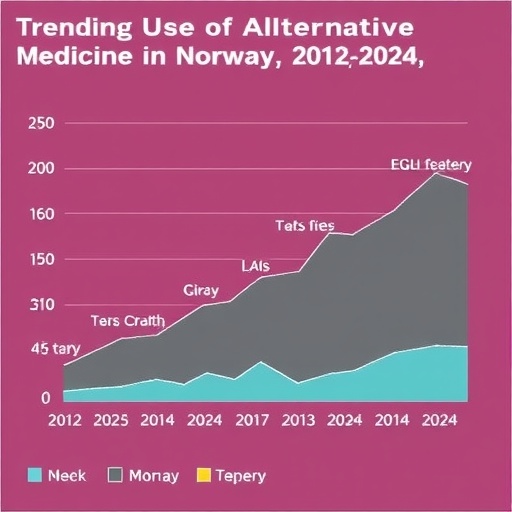
Complementary and alternative medicine (CAM) has long been a subject of alternation in public health discourse, especially in countries such as Norway, where cultural attitudes towards health and wellness can significantly influence medical choices. The latest insights into the prevalence and usage of CAM have emerged from the research conducted by Kristoffersen and Stub, which meticulously explored trends over a twelve-year period from 2012 to 2024. Their findings, derived from a series of seven biennial cross-sectional surveys, offer a fascinating glimpse into the evolution of CAM practices within the Norwegian population.
As Norway continues to navigate the complexities of healthcare, the role of complementary and alternative therapies has gained prominence, increasingly becoming integrated into the broader health narrative. The significance of this trend reveals not just a shift in individual perspectives about health but also a transformative change within the healthcare system itself. The researchers investigated various factors influencing CAM utilization, examining demographic variables such as age, gender, and socioeconomic status, which revealed significant associations in the patterns of CAM use over the years.
The study also delves into the motivations behind the adoption of CAM therapies. Many participants expressed preferences for holistic approaches that consider emotional and spiritual dimensions, in addition to the physical aspects of wellness. This shift highlights a broader trend against the traditionally biomedical model of healthcare that often prioritizes symptom management over overall well-being. The Norwegian healthcare landscape, in this respect, appears to be evolving. The findings suggest a growing awareness and acceptance of the philosophy that health is a multi-faceted concept.
Moreover, understanding the interrelations between conventional and complementary medicine practices is pivotal. Kristoffersen and Stub’s analysis sheds light on how ailment-related factors, patient expectations, and professional recommendations intertwine in shaping the decisions of individuals opting for CAM options. With many healthcare providers now acknowledging the potential benefits of integrating CAM into treatment plans, the implications of these findings become even more significant.
Public health initiatives in Norway have begun to reflect this changing landscape, incorporating CAM education into wellness promotion strategies. This shift is particularly noteworthy given the historically cautious stance of conventional medical practitioners towards CAM. By recognizing CAM as a legitimate component of health care, these initiatives stand to empower individuals and foster healthier lifestyle choices, ultimately leading to improved overall public health outcomes.
The data collected from these surveys elucidates various demographic characteristics associated with CAM use. It was found that younger individuals and women were more likely to turn to alternative medicine practices, which raises important questions about the underlying factors driving these trends. Cultural beliefs, socio-economic status, and exposure to alternative health education also play a pivotal role in shaping these patterns. The increase in CAM use among younger demographics aligns with global trends where increasing emphasis on mental and emotional well-being is observed.
In addition to demographics, the study underscores the types of CAM modalities employed by participants. Practices such as acupuncture, herbal medicine, and homeopathy showed notable popularity, while newer trends like mindfulness and yoga have emerged as valuable tools for mental health maintenance. As these practices integrate into daily routines, they not only complement traditional medical approaches but also enhance personal wellness.
Kristoffersen and Stub’s research also touches on the perception of CAM efficacy among users. Many participants reported positive experiences, which significantly influenced their continued use of these therapies. However, skepticism from within the medical community remains a hurdle. As the authors note, the refusal of some healthcare practitioners to endorse CAM can lead to a gap in communication between patients and providers. Improving this communication is crucial for fostering a collaborative approach to health, where both conventional and alternative therapies can coexist.
The integration of CAM into standard healthcare practice raises important ethical considerations. There is a pressing need for robust clinical research to ascertain the safety and efficacy of various CAM modalities. The study emphasizes the necessity for healthcare practitioners to be well-informed about CAM in order to provide holistic care. This not only strengthens the patient-provider relationship but also promotes informed decision-making among patients.
Furthermore, as digital health platforms become increasingly prevalent, they provide new avenues for the dissemination of information about CAM. The ability to share personal testimonials and evidence-based research online can empower individuals to make educated choices concerning their health. However, this phenomenon also warrants caution, as misinformation can proliferate rapidly within these spaces. Hence, establishing guidelines for the responsible use of digital platforms in promoting CAM practices is essential.
In light of these trends, the implications of Kristoffersen and Stub’s research extend beyond Norway, resonating with a global audience. The movement towards a more integrated approach to health care aligns with a worldwide interest in alternative therapies. As societies become more health-conscious, the demand for diverse treatment options that encompass the entirety of the human experience will likely continue to grow.
In conclusion, Kristoffersen and Stub’s pivotal research encapsulates a significant shift in the health landscape of Norway, revealing both the opportunities and challenges presented by the rise of complementary and alternative therapies. Recognizing the prevalence of CAM use amongst Norwegian citizens allows for a deeper understanding of public health dynamics and offers a foundation for future research and policy development. As the conversation surrounding health continues to evolve, grounding it in evidence-based practices will be fundamental to ensuring that individuals receive comprehensive and effective care.
Subject of Research: Trends in Complementary and Alternative Medicine Use in Norway
Article Title: Trends in prevalence and associations of complementary and alternative medicine use in Norway 2012–2024: Insights from seven biennial cross-sectional studies.
Article References:
Kristoffersen, A.E., Stub, T. Trends in prevalence and associations of complementary and alternative medicine use in Norway 2012–2024: Insights from seven biennial cross-sectional studies.
BMC Complement Med Ther 25, 444 (2025). https://doi.org/10.1186/s12906-025-05151-y
Image Credits: AI Generated
DOI: https://doi.org/10.1186/s12906-025-05151-y
Keywords: Complementary medicine, alternative medicine, Norway, public health, health trends, demographic factors, healthcare integration.
Tags: alternative medicine trends in Norwaybiennial surveys on alternative medicineCAM practices in Norway 2012-2024complementary and alternative medicine usagecultural attitudes towards health in Norwaydemographic factors influencing CAM useemotional and spiritual dimensions of healthevolving perspectives on wellness in Norwayhealthcare system integration of CAMholistic health approaches in Norwaymotivations for adopting alternative medicinepublic health discourse on alternative therapies