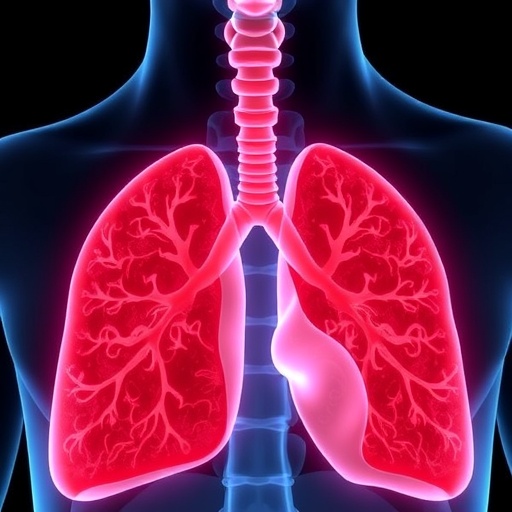
In a groundbreaking effort to enhance the treatment landscape of stage III non-small cell lung cancer (NSCLC), researchers have recently reported compelling results from the phase 2 APOLO trial, which combines induction chemo-immunotherapy with subsequent chemo-radiotherapy and immunotherapy maintenance. This innovative therapeutic approach aims to maximize tumor control by strategically integrating multiple modalities that harness both cytotoxic and immune-mediated anti-cancer mechanisms, potentially redefining the standard of care for a disease historically associated with poor prognosis and limited curative options.
Stage III NSCLC represents a particularly challenging clinical scenario characterized by locally advanced tumors often deemed unresectable, with a high risk of both local failure and distant metastasis. Conventional treatment strategies have typically relied on concurrent chemo-radiotherapy, which, despite representing the current standard of care, yields suboptimal long-term survival outcomes. The APOLO trial builds upon significant advancements in immunotherapy, particularly immune checkpoint inhibitors, which have revolutionized cancer treatment over the past decade by empowering the patient’s own immune system to recognize and eradicate malignant cells.
The rationale behind the APOLO regimen lies in the synergistic potential of combining chemotherapy and immunotherapy as induction treatment, designed to debulk tumor burden and prime the immune microenvironment before administering definitive chemo-radiotherapy. This multimodal sequence is then followed by maintenance immunotherapy to sustain immune surveillance and suppress residual disease. Preliminary evidence suggested that such an approach could much more effectively overcome the tumor microenvironment’s immunosuppressive barriers, thereby enhancing durable responses and long-term survival.
In this tightly designed phase 2 study, patients with stage III NSCLC first received induction chemo-immunotherapy, which typically involved platinum-based chemotherapy in combination with an immune checkpoint inhibitor targeting the PD-1/PD-L1 axis. The goal was to exploit chemotherapy’s immunomodulatory effects—such as increasing tumor antigen release and enhancing dendritic cell maturation—while simultaneously activating T-cell mediated immunity via checkpoint blockade. Following this induction phase, subjects underwent standard concurrent chemotherapy with thoracic radiotherapy, aiming to eradicate the primary tumor and involved lymph nodes.
What sets the APOLO trial apart is its strategic incorporation of maintenance immunotherapy immediately after completion of chemo-radiotherapy. This continuous immune awakening intends to maintain cytotoxic T cell activity over time, reducing risk of both local relapse and distant metastasis. The trial meticulously monitored efficacy parameters such as progression-free survival, overall survival, and objective response rates, alongside thorough safety profiling to gauge tolerability of this intensive combined regimen.
The findings from the APOLO trial are highly encouraging—participants experienced notably improved response rates and prolonged progression-free intervals compared to historical controls receiving chemo-radiotherapy alone. Remarkably, the integration of immunotherapy in both induction and maintenance phases was well-tolerated, with adverse events consistent with known profiles of checkpoint inhibitors and chemotherapy agents. Importantly, no new safety signals emerged, highlighting the feasibility of this complex therapeutic strategy in a clinical setting.
Mechanistically, the study provides incisive insights into the tumor immune microenvironment dynamics. Analysis revealed enhanced infiltration of cytotoxic CD8+ T cells and reduction of immunosuppressive regulatory T cells following induction therapy, suggesting effective immune priming. Moreover, radiotherapy appeared to synergize by inducing immunogenic cell death, releasing tumor neoantigens that further stimulate the adaptive immune system, thus cloaking the residual tumor in an immunologically ‘hot’ milieu conducive to sustained checkpoint blockade efficacy.
This concept of ‘priming and boosting’ the immune response through sequential chemo-immunotherapy followed by definitive chemo-radiotherapy and maintenance immunotherapy represents a paradigm shift in managing locally advanced lung cancer. By leveraging the complementary mechanisms of each therapeutic component, the APOLO trial advances the notion that timing and sequencing are critical to optimizing anti-tumor immunity and achieving durable tumor control.
The implications extend beyond lung cancer, as this multimodal regimen challenges conventional silos of medical oncology, radiation oncology, and immunotherapy. It underscores the necessity of integrating personalized immunologic profiling and biomarker-driven patient selection to identify those most likely to benefit from such intensively tailored treatments. In addition, APOLO’s blueprint raises provocative questions about combining novel agents, such as next-generation immune modulators or targeted therapies, at various stages of the regimen for further enhancements.
From a clinical standpoint, APOLO offers hope to patients facing stage III NSCLC, a disease entity long associated with dismal outcomes and high morbidity. The prospect of a more effective, yet tolerable treatment algorithm aligns with the urgent need for strategies that extend survival, preserve quality of life, and ultimately increase the number of cures. Furthermore, ongoing follow-up will be essential to define long-term survival benefits, late toxicity manifestations, and potential resistance mechanisms emerging from this complex therapeutic interplay.
In conclusion, the phase 2 APOLO trial represents a seminal advancement in precision oncology for stage III NSCLC. By demonstrating the safety and enhanced efficacy of an induction chemo-immunotherapy strategy followed by chemo-radiotherapy and immunotherapy maintenance, this study offers a robust framework for future large-scale trials and potential changes in treatment guidelines. It exemplifies the tremendous promise of harnessing the immune system’s power alongside conventional modalities to rewrite the narrative of a deadly disease.
As the oncology community eagerly anticipates the results of ongoing and future phase 3 studies validating APOLO’s findings, the integration of immunotherapy into early treatment phases of lung cancer heralds a new era of innovation and hope. The intricate choreography between chemotherapy, radiotherapy, and immunotherapy invites a rethinking of how multifaceted cancer treatments can be optimized to outsmart tumor adaptation and immune evasion. Ultimately, APOLO charts a course toward transformation—turning the tide against stage III NSCLC and illuminating pathways forward for other malignancies driven by immune resistance.
Subject of Research: Treatment of stage III non-small cell lung cancer (NSCLC) using a combined chemo-immunotherapy and chemo-radiotherapy approach followed by immunotherapy maintenance.
Article Title: Induction chemo-immunotherapy followed by chemo-radiotherapy and immunotherapy maintenance in stage III NSCLC (APOLO): a phase 2 trial.
Article References:
Provencio, M., Campos, B., Guirado, M. et al. Induction chemo-immunotherapy followed by chemo-radiotherapy and immunotherapy maintenance in stage III NSCLC (APOLO): a phase 2 trial. Nat Commun 16, 10124 (2025). https://doi.org/10.1038/s41467-025-66097-w
Image Credits: AI Generated
DOI: https://doi.org/10.1038/s41467-025-66097-w
Tags: chemo-immunotherapy for NSCLCchemo-radiotherapy in cancer carecombining chemotherapy and immunotherapyimmune checkpoint inhibitors in lung cancerimmunotherapy advancements in oncologyimproving survival outcomes in NSCLCinnovative cancer treatment strategieslocally advanced lung cancer managementphase 2 APOLO trial resultsredefining standard of care for NSCLCstage III non-small cell lung cancer treatmentsynergistic treatment approaches for cancer